 info@meftinternational.net
  July 7, 2026
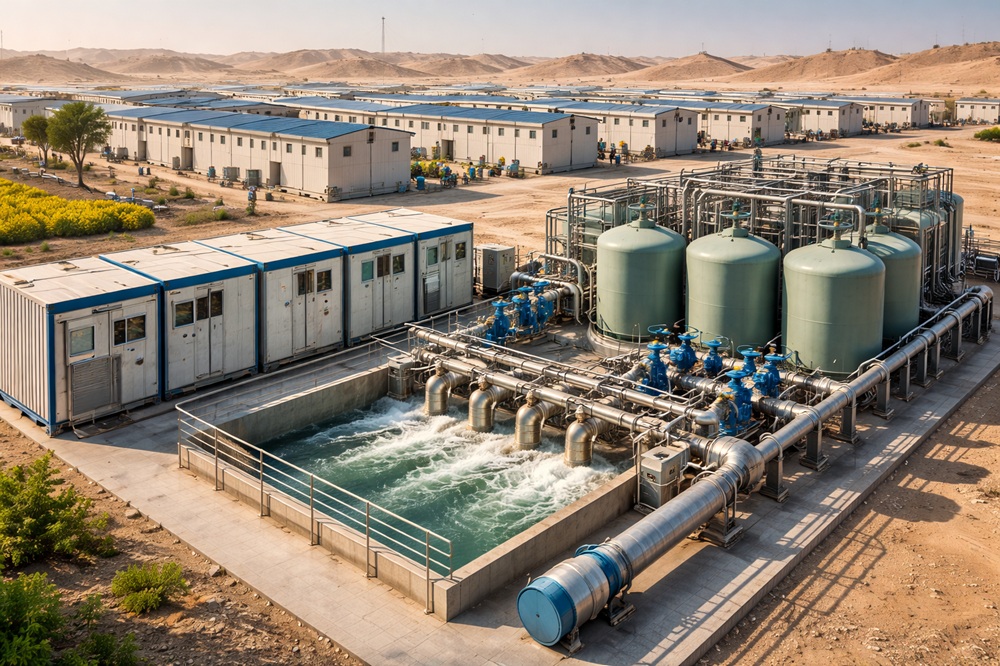
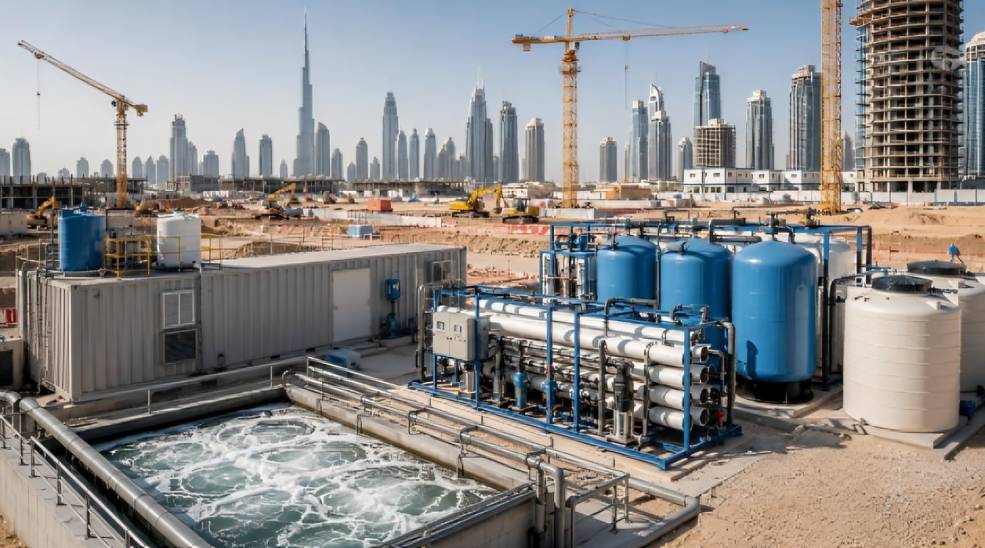
Saudi Arabia’s rapid infrastructure expansion has created a massive increase in temporary and semi-permanent labour camps across construction, oil & gas, industrial, and mega development projects. From remote desert construction zones to large-scale infrastructure corridors linked to Vision 2030 developments, worker accommodations are becoming larger, more operationally complex, and increasingly long-term in nature.
However, one critical challenge continues to affect many project sites: wastewater management.
Labour camps generate large volumes of sewage every day from kitchens, toilets, showers, laundry areas, and communal facilities. Without properly designed treatment systems, wastewater can quickly create hygiene risks, odor problems, environmental violations, and operational disruptions.
In many remote project locations, centralized municipal sewage infrastructure is either unavailable or impractical to access. Consequently, onsite treatment systems have become essential for maintaining both compliance and worker living conditions.
This is why demand for STP plants for labour camp Saudi Arabia projects has increased significantly in recent years. More importantly, developers and contractors are no longer viewing sewage treatment as a temporary utility requirement. Instead, it is increasingly becoming a critical part of long-term infrastructure planning.
Wastewater treatment in labour camps is very different from conventional residential or commercial developments.
In many Saudi project environments, camps operate under constantly changing conditions. Workforce numbers may increase rapidly during active construction phases and decline later as projects progress. Some camps house a few hundred workers, while others accommodate several thousand people in remote locations.
This creates operational challenges that directly impact sewage treatment performance.
For example, wastewater generation inside labour camps is rarely consistent throughout the day. Peak demand often occurs during:
Because of this, treatment systems must handle sudden fluctuations in wastewater load without affecting treatment efficiency.
Additionally, camps linked to oil & gas operations or remote industrial projects often operate continuously for extended periods. In these environments, system reliability becomes extremely important because operational downtime can quickly create sanitation issues.
Many labour camps across Saudi Arabia are located far from municipal sewage networks. Extending centralized infrastructure into remote desert locations is often expensive and operationally impractical.
For that reason, decentralized treatment systems often provide a practical and cost-effective solution for remote project environments.
A properly designed sewage treatment plant labour camp KSA system allows projects to:
More importantly, onsite systems give project operators greater control over wastewater management without depending on external infrastructure availability.
For remote industrial operations, this level of independence is often critical, especially in regions where maintenance access and municipal connectivity remain limited.
One of the most common mistakes in labour camp infrastructure planning is underestimating actual wastewater generation.
Many projects initially design systems around current workforce numbers without properly considering:
A labour camp supporting an early-stage construction project may initially accommodate only a few hundred workers. However, once major construction activities begin, occupancy can increase rapidly within months.
If the original STP infrastructure was only sized for the initial workforce, operators may start facing overload conditions much earlier than expected. In many cases, retrofitting treatment systems after camp expansion becomes significantly more expensive than planning scalability during the initial design phase.
This is particularly common in large infrastructure and industrial projects where workforce requirements evolve continuously throughout construction cycles.
When systems become overloaded, several operational issues can appear quickly, including:
In severe cases, overloaded systems may even affect worker hygiene and living conditions inside the camp itself.
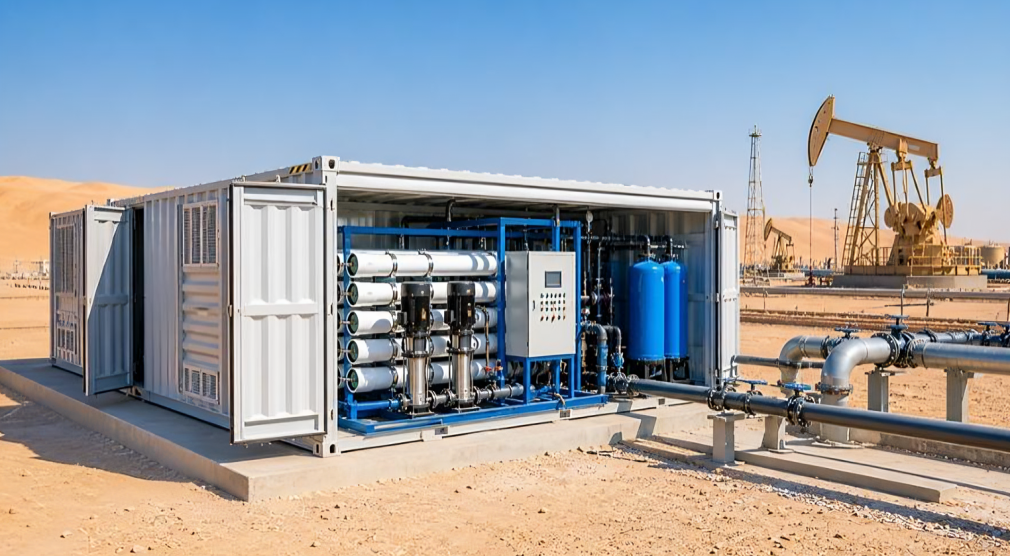
Many labour camp operators in Saudi Arabia prefer modular and compact treatment systems because they perform well in remote environments with limited installation space.
Among the most widely used technologies are:
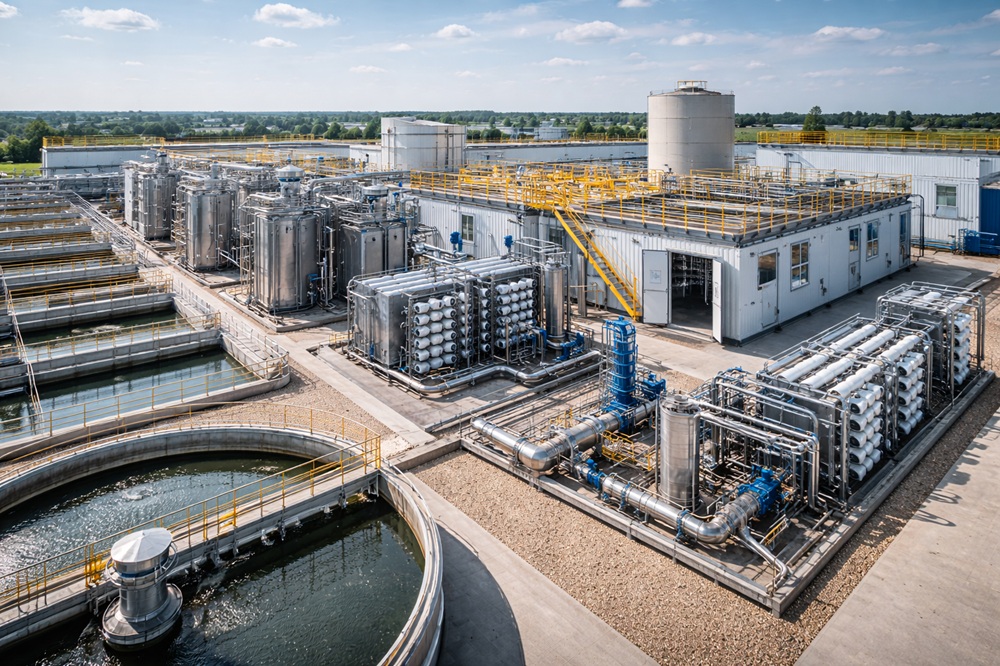
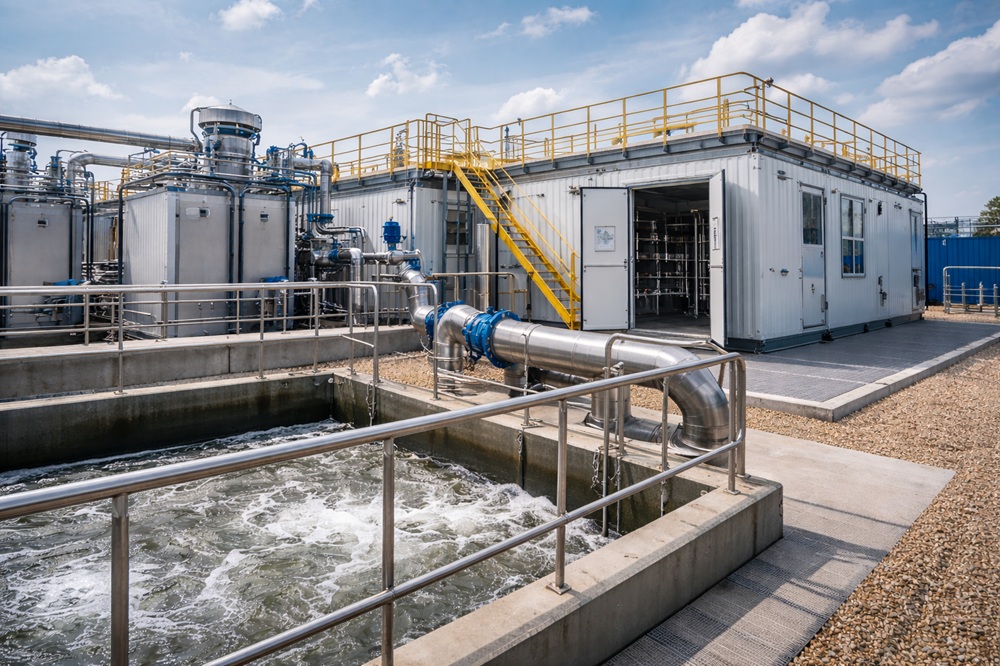
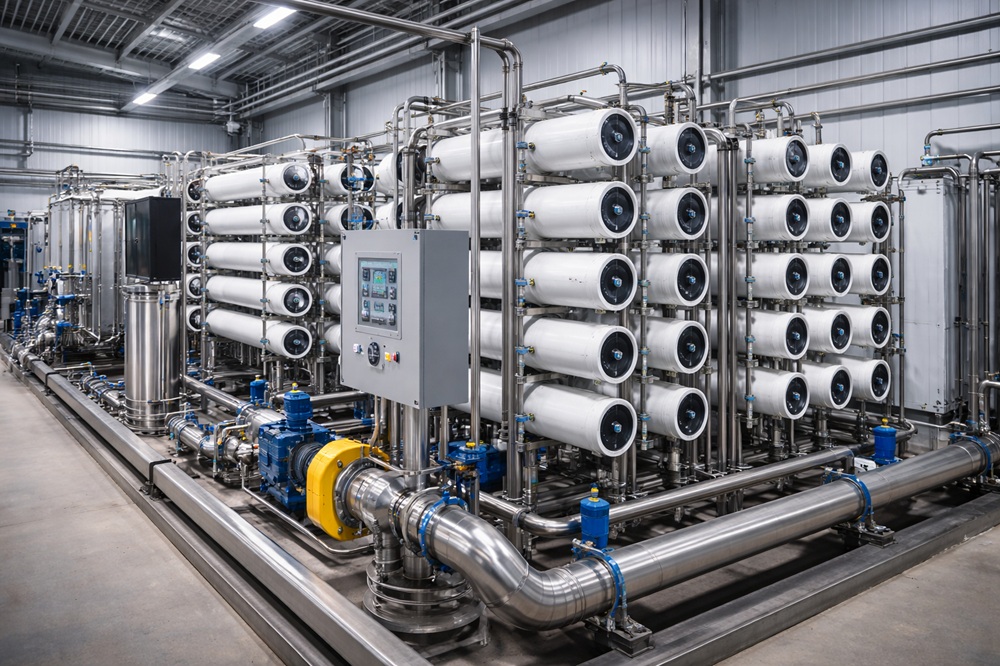
MBBR systems are especially popular because they provide stable biological treatment while maintaining a relatively compact footprint. This makes them suitable for camps where space optimization is important.
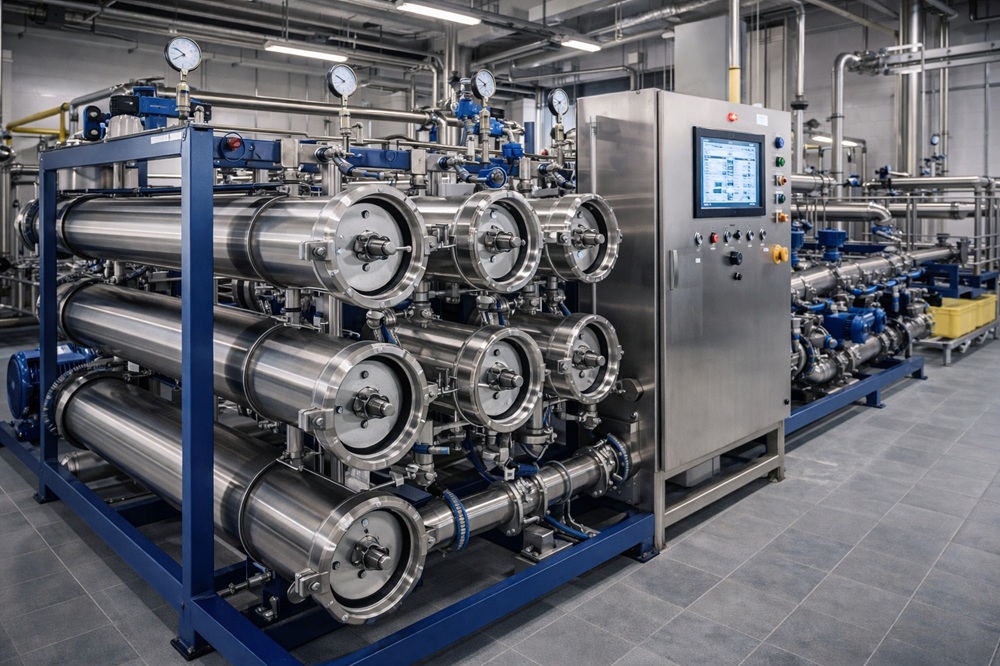
Meanwhile, packaged STP plants help simplify transportation, installation, and future expansion in temporary or rapidly developing project sites.
Many contractors now prefer modular packaged treatment plants because they reduce onsite civil work and allow faster deployment in remote project environments.
The ability to transport, install, and scale these systems more efficiently has made them increasingly common across Saudi industrial and construction sectors.
Water conservation has become a growing priority across Saudi Arabia, particularly as industrial and infrastructure projects continue expanding into arid regions.
In projects where treated water meets local reuse standards and regulatory requirements, wastewater may be reused for non-potable applications such as:
This approach helps reduce freshwater consumption while lowering operational costs over time.
For remote projects that depend heavily on tanker water supply, water reuse can significantly improve operational efficiency. In some remote camps, reducing tanker dependency alone can create major long-term cost savings.
At the same time, reuse strategies support broader sustainability goals linked to major infrastructure and industrial developments across the Kingdom.
Saudi Arabia’s environmental conditions place significant pressure on wastewater infrastructure systems.
Extreme temperatures, dust exposure, and isolated operating environments can all impact STP performance if systems are not properly designed for desert conditions.
For example, high ambient temperatures may affect:
In camps operating during peak summer months, odor complaints can increase rapidly if aeration systems are poorly maintained or sludge handling is not properly managed.
Meanwhile, remote locations can make maintenance and technical servicing more difficult, especially for camps located far from major urban centers.
Because of this, labour camp STP systems often require:
Projects that ignore these environmental realities frequently experience higher maintenance costs and operational instability later.
In many labour camp projects, odor management receives minimal attention during early planning stages. However, it often becomes one of the biggest operational complaints after camp occupancy increases.
Poor odor control can affect:
In high-density camps operating under extreme temperatures, untreated odor issues can quickly become a serious operational concern.
Most odor-related problems occur when:
This is why proper STP design must include effective biological stability, ventilation planning, and sludge management strategies from the beginning instead of treating odor control as a secondary issue later.
Manual wastewater system operation can become difficult in remote project environments where technical staffing may be limited.
As a result, many modern STP plants for labour camp Saudi Arabia projects now include automation and monitoring systems that improve operational visibility and reduce manual intervention.
These systems help operators:
More importantly, automated systems help operators identify potential performance issues earlier and improve response time during operational disturbances.
For isolated camps operating continuously over long periods, this level of monitoring can significantly improve reliability.
Many labour camp operators focus heavily on treated water quality but overlook long-term sludge management requirements. However, improper sludge handling can eventually reduce treatment efficiency, increase odor issues, and create operational complications.
Regular sludge removal, proper drying arrangements, and planned disposal strategies are essential for maintaining stable STP performance over extended operating periods.
In some remote project locations, transporting sludge to approved disposal facilities can also create logistical and operational challenges.
Historically, many contractors viewed labour camp treatment systems as short-term infrastructure. However, that mindset is changing rapidly across Saudi Arabia.
Several modern projects have now operated workforce accommodations for many years, particularly in sectors such as:
As camps become larger and more permanent, wastewater infrastructure expectations are also increasing.
Today, developers increasingly expect STP systems to provide:
This shift is changing how wastewater infrastructure is designed across major Saudi projects.
One of the biggest lessons from recent large-scale developments is that wastewater systems must adapt to changing operational conditions.
Labour camp occupancy can fluctuate significantly depending on project phases, contractor mobilization schedules, and workforce requirements. Therefore, rigid treatment systems often struggle to maintain efficiency over long operational periods.
Scalable and modular STP infrastructure provides greater flexibility because systems can expand more easily as camp requirements evolve.
For many developers, this flexibility now matters just as much as treatment capacity itself.
Saudi Arabia’s ongoing infrastructure and industrial expansion is creating long-term demand for decentralized wastewater treatment systems across remote project environments.
As labour camps continue evolving into larger operational communities, sewage treatment infrastructure can no longer be treated as a secondary utility requirement. Instead, it is becoming a critical component of workforce management, environmental compliance, and sustainable project operations.
For many future projects, properly designed STP systems will likely become a standard infrastructure expectation rather than an optional operational upgrade.
info@meftinternational.net July 7, 2026
info@meftinternational.net June 24, 2026
info@meftinternational.net April 28, 2026
info@meftinternational.net April 17, 2026
info@meftinternational.net March 24, 2026
info@meftinternational.net March 12, 2026
info@meftinternational.net February 26, 2026
info@meftinternational.net February 19, 2026 Our focus is on delivering superior value to our clients for company modification.