 info@meftinternational.net
  July 7, 2026

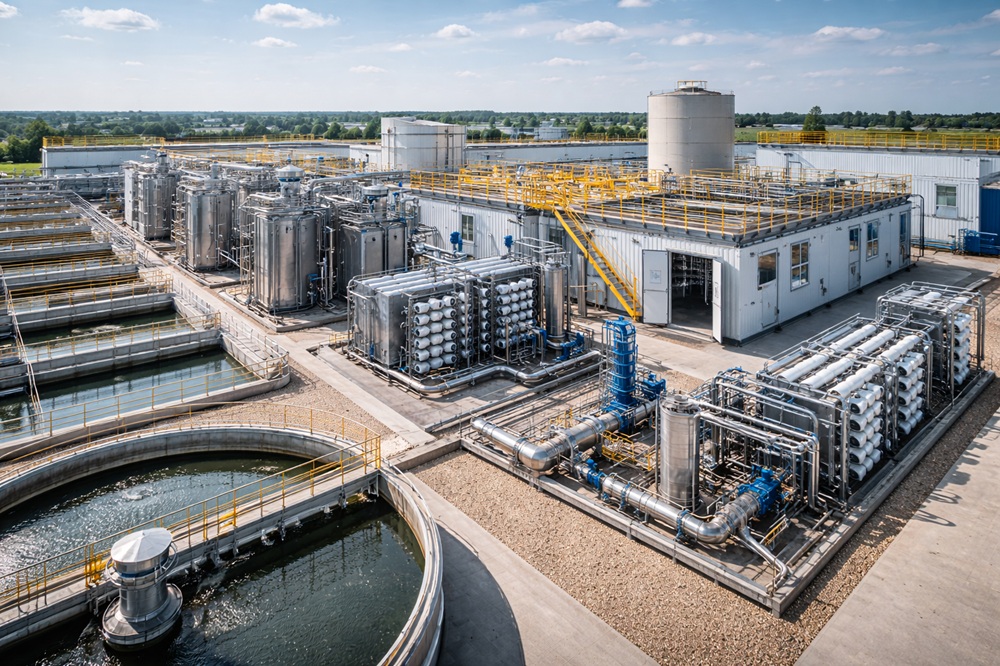
Water treatment infrastructure plays a critical role in modern cities, industrial zones, and growing urban developments. As water demand increases across the Middle East and globally, governments and private organizations are investing heavily in advanced treatment facilities. To manage these complex projects efficiently, many organizations rely on an EPC contractor for water treatment plant projects.
An EPC contractor manages the entire lifecycle of a water treatment plant, from engineering design to procurement, construction, and final commissioning. This delivery model simplifies project management and ensures that all components of the system work together seamlessly.
In this article, we will explore what EPC contractors do, the scope of their responsibilities, the lifecycle of a typical water treatment project, and why the EPC model is widely used in modern water infrastructure development.
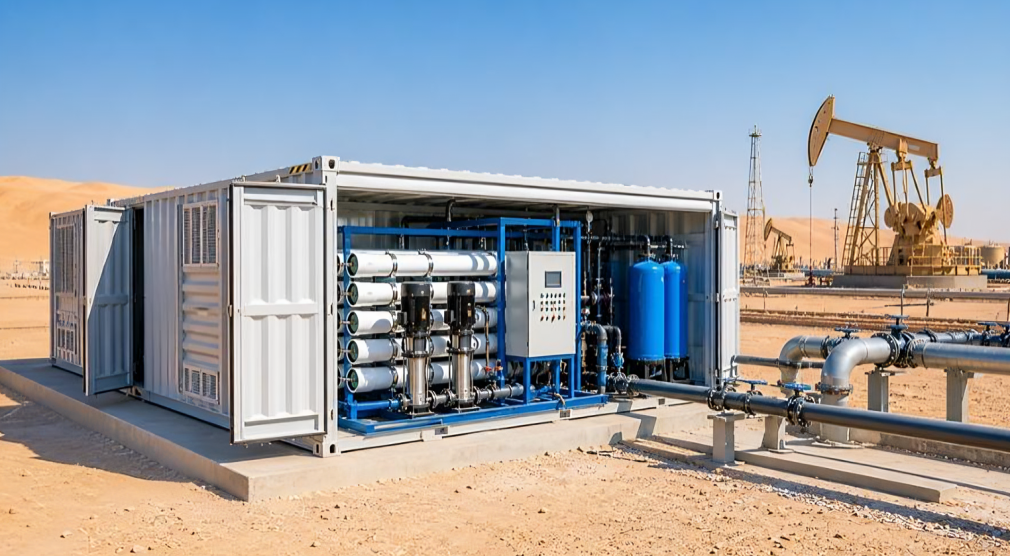
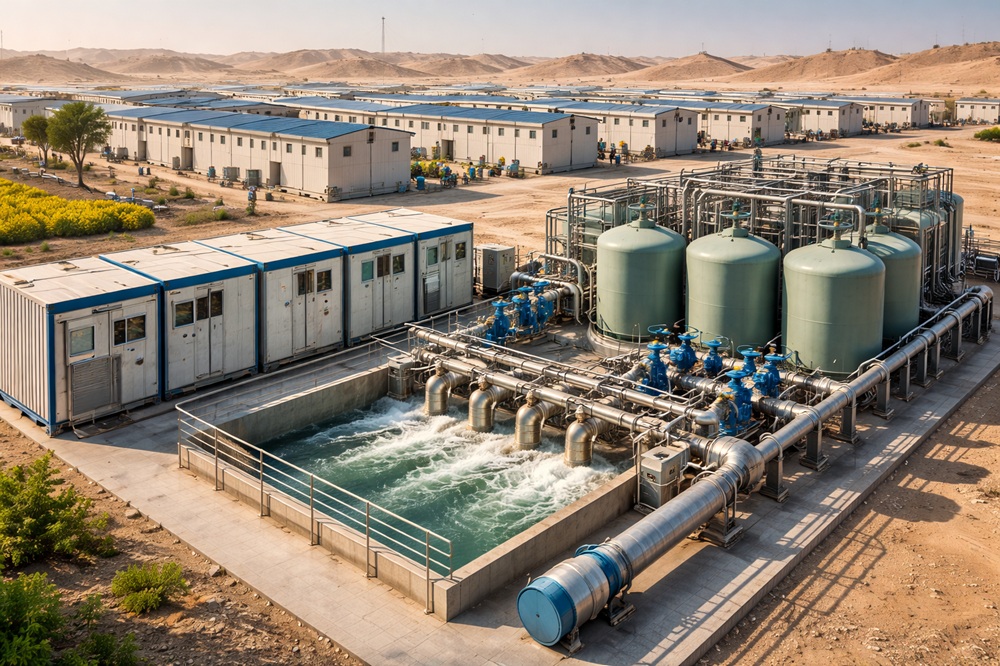
An EPC contractor for water treatment plant projects manages the complete lifecycle of water infrastructure development. This includes engineering design, equipment procurement, plant construction, and commissioning. The EPC model simplifies project management by providing a single contractor responsible for delivering a fully operational treatment facility.
Key responsibilities typically include:
This delivery model is widely used in municipal, industrial, and desalination water treatment projects because it reduces risks, improves coordination, and ensures efficient project execution.
An EPC contractor for water treatment plant projects is responsible for delivering a fully operational facility through a turnkey approach. The term EPC stands for Engineering, Procurement, and Construction, which represent the three core phases of project delivery.
Instead of hiring multiple contractors for design, equipment supply, and construction, organizations appoint a single EPC contractor to manage the entire process. This approach reduces coordination issues and ensures clear accountability.
In water treatment projects, EPC contractors design treatment systems, procure specialized equipment such as pumps and filtration units, and oversee construction and commissioning. As a result, the client receives a ready-to-operate water treatment facility.
The scope of work for an EPC contractor in water treatment projects covers several critical activities that ensure the successful completion of the facility.
The engineering phase forms the foundation of any water treatment project. EPC contractors conduct feasibility studies, analyze raw water characteristics, and design treatment processes that meet project requirements.
This stage typically includes:
Proper engineering ensures the plant operates efficiently while meeting environmental and regulatory standards.
After finalizing the design, EPC contractors manage the procurement of equipment and materials required for the plant. Water treatment systems rely on specialized components that must meet strict quality standards.
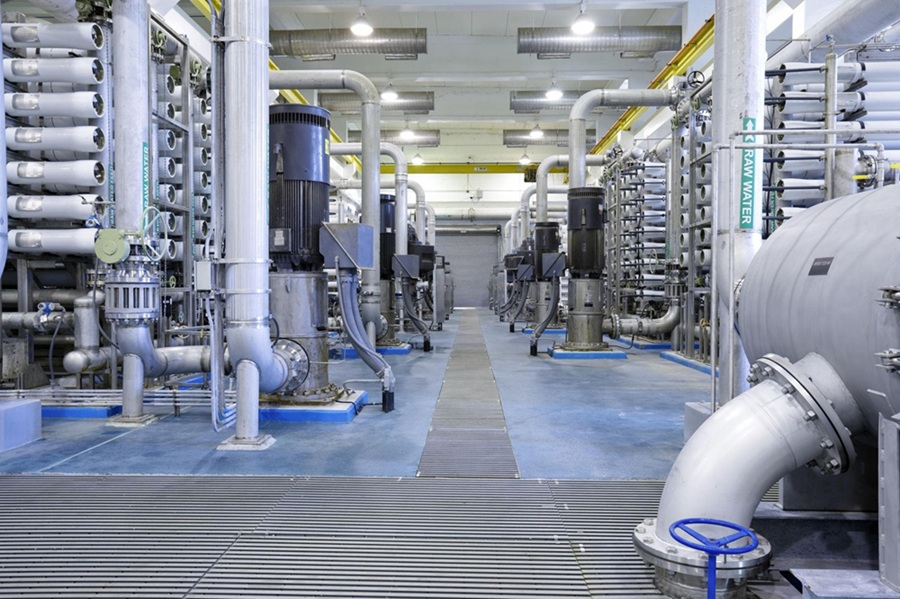
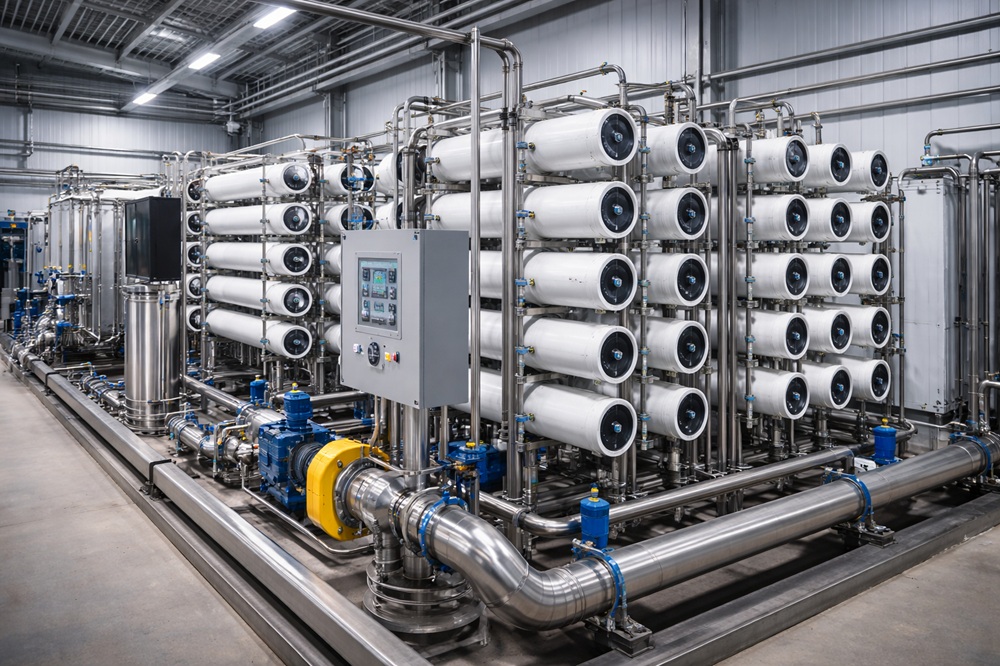
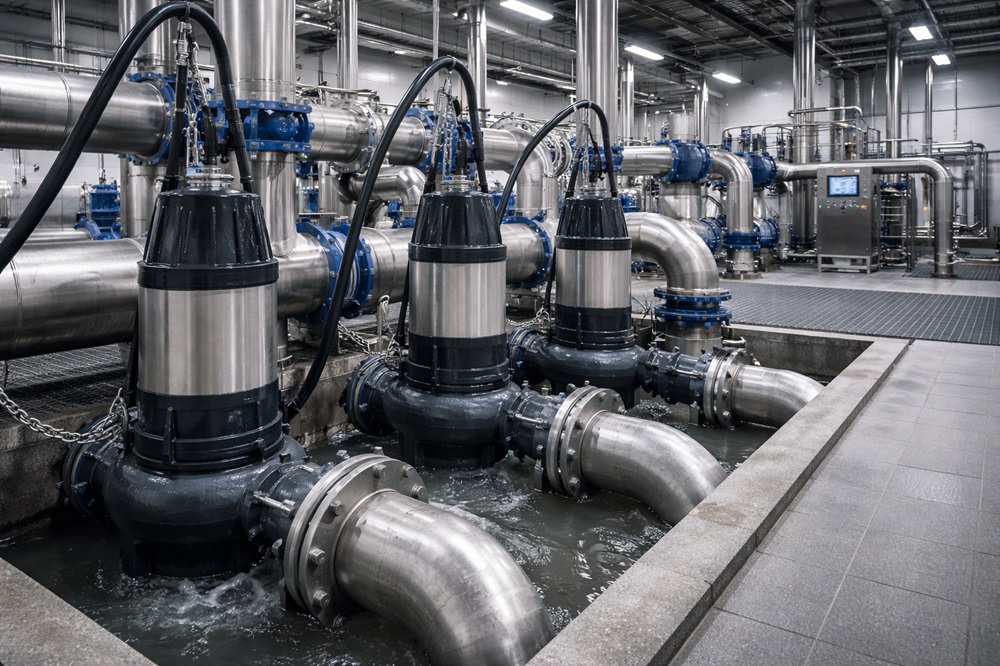
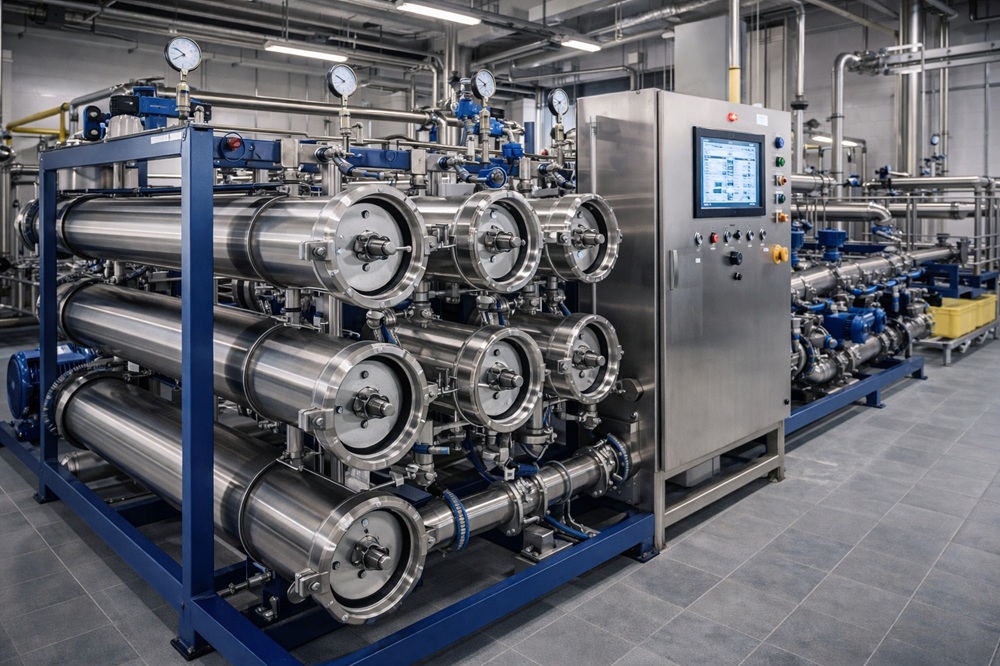
Typical equipment procured includes pumps, filtration systems, reverse osmosis membranes, chemical dosing units, instrumentation, and control panels.
Because EPC contractors handle procurement directly, they can ensure compatibility between different technologies used in the treatment process.
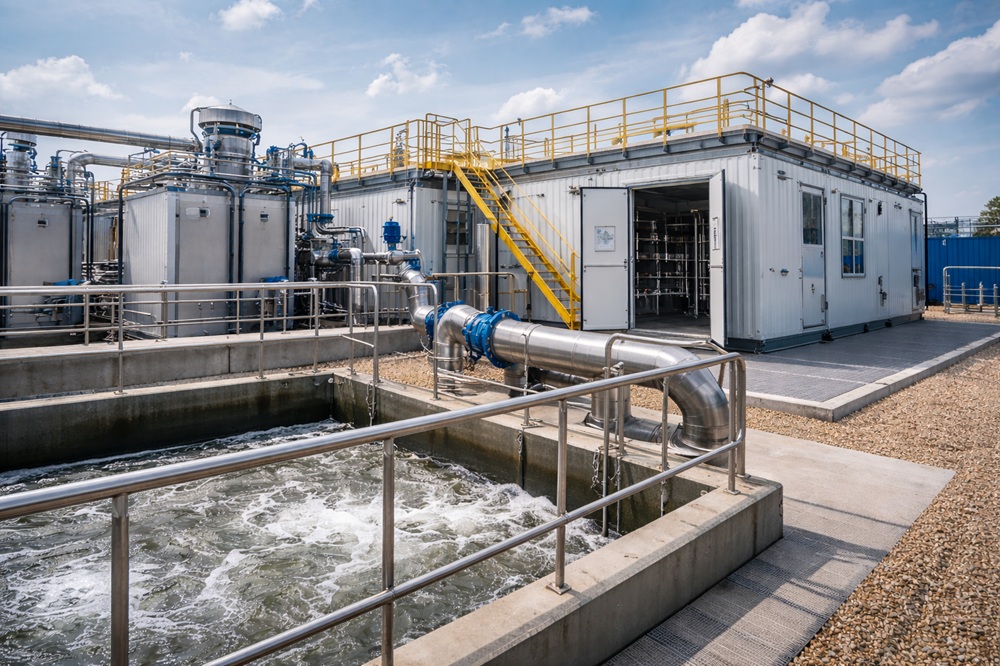
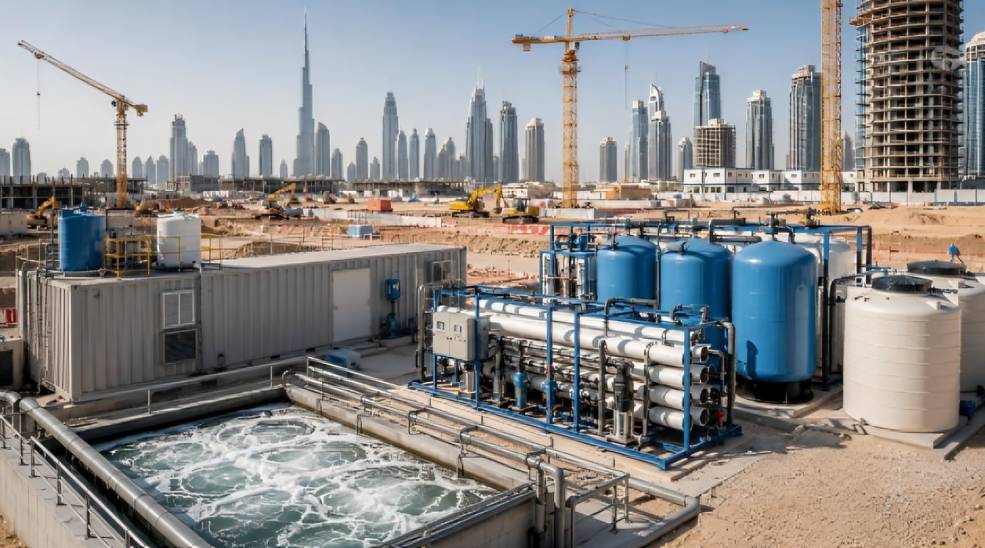
The construction phase transforms the design into a physical facility. EPC contractors coordinate civil works, mechanical installation, electrical integration, and pipeline networks.
During this stage, project managers oversee construction activities to ensure safety, quality, and adherence to project timelines. Proper coordination between engineering and construction teams helps avoid delays and costly design changes.
Once installation is complete, EPC contractors perform commissioning activities to verify that the system operates as intended. This phase includes equipment testing, calibration, and performance verification.
Water quality tests are also conducted to confirm that the treatment plant meets required discharge or reuse standards before final handover.
An EPC contractor for water treatment plant projects carries significant responsibility throughout the project lifecycle. Their role extends beyond construction to include project management, technical integration, and operational support.
Effective planning is essential for complex water infrastructure projects. EPC contractors develop project timelines, allocate resources, and coordinate multiple teams involved in engineering, procurement, and construction.
This centralized management approach ensures smoother project execution and reduces the risk of delays.
Water treatment plants often combine multiple technologies such as reverse osmosis systems, biological treatment units, filtration systems, and chemical dosing equipment.
EPC contractors ensure that these technologies work together efficiently. Their engineering expertise allows them to integrate different treatment processes into a unified system.
Environmental regulations governing wastewater discharge and treated water reuse are becoming increasingly strict. EPC contractors must ensure that the plant design and operation comply with these standards.
Through quality assurance procedures and performance testing, they confirm that the system meets regulatory requirements.
Once the project is complete, EPC contractors provide system documentation, operator training, and technical support. This ensures that the client’s team can operate the facility efficiently and maintain optimal performance.
Water treatment projects follow a structured lifecycle that ensures proper planning and execution.
The project begins with site evaluation and water analysis. Engineers assess raw water characteristics and determine the most suitable treatment technologies.
Capacity planning and cost estimation are also performed during this phase.
During detailed engineering, EPC contractors develop process flow diagrams, equipment specifications, and system layouts. This stage defines how each component of the treatment plant will function within the overall system.
After completing the design, the contractor procures equipment from qualified vendors. Quality inspections and testing ensure that components meet required performance standards.
Civil structures, pipelines, and mechanical equipment are installed during this phase. Electrical systems and automation controls are also integrated to support plant operations.
Commissioning verifies that every system component operates correctly. Engineers test water quality parameters, flow rates, and system pressure to confirm that the plant meets design specifications.
After successful testing, the EPC contractor hands over the fully operational facility to the client. Operator training and maintenance guidelines are typically included at this stage.
Many organizations prefer the EPC model because it simplifies project management and reduces risks.
One of the biggest advantages of hiring an EPC contractor for water treatment plant projects is having a single entity responsible for the entire project. This eliminates confusion between multiple contractors and ensures accountability.
Because engineering and procurement activities often run simultaneously, EPC projects can progress faster than traditional construction models.
Centralized coordination helps prevent design conflicts, construction delays, and communication breakdowns. As a result, EPC projects tend to experience fewer disruptions.
Optimized procurement and streamlined project management help control costs. By reducing delays and rework, EPC contractors can deliver projects more efficiently.
EPC contractors work on a wide range of water and wastewater infrastructure projects. These may include:
Each project requires customized engineering solutions depending on water quality, plant capacity, and regulatory requirements.
Selecting the right EPC contractor is critical to the success of a water treatment project.
An experienced contractor should have a proven track record in designing and building water treatment plants with similar technologies.
Strong in-house engineering teams allow contractors to design efficient treatment systems tailored to specific project conditions.
A reliable EPC contractor must demonstrate the ability to deliver projects within budget and schedule.
Long-term performance depends on proper maintenance and technical support. Contractors who provide training, spare parts, and service assistance offer significant value.
An EPC contractor manages the engineering, procurement, construction, and commissioning of a water treatment plant. They deliver the facility as a fully operational turnkey solution.
EPC contractors simplify project delivery by providing a single point of responsibility, reducing coordination challenges, and improving efficiency.
Project timelines vary depending on plant capacity and complexity. However, most EPC water treatment projects typically take between six months and two years.
Key Takeaways
As demand for reliable water infrastructure continues to grow, the role of an EPC contractor for water treatment plant projects becomes increasingly important. By handling every stage of project development—from design and procurement to construction and commissioning—EPC contractors help organizations deliver efficient and sustainable water treatment facilities.
For companies planning new water treatment projects, selecting a qualified EPC partner can significantly improve project outcomes, reduce risks, and ensure long-term operational success.
info@meftinternational.net July 7, 2026
info@meftinternational.net June 24, 2026
info@meftinternational.net May 7, 2026
info@meftinternational.net April 28, 2026
info@meftinternational.net March 24, 2026
info@meftinternational.net March 12, 2026
info@meftinternational.net February 26, 2026
info@meftinternational.net February 19, 2026 Our focus is on delivering superior value to our clients for company modification.