 info@meftinternational.net
  February 26, 2026
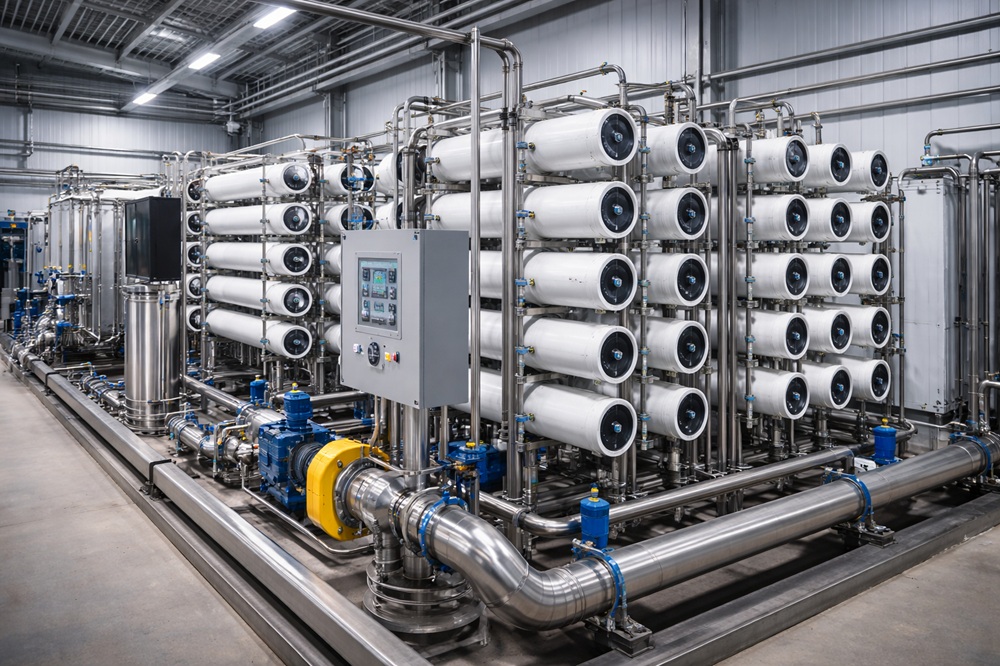
In today’s industrial and commercial environments, access to clean, safe water is essential. Whether it’s for manufacturing, food processing, or even day-to-day operations, having a reliable water treatment system can significantly impact the efficiency and quality of your processes. Reverse osmosis (RO) filtration systems have become one of the most trusted solutions in meeting these needs.
In this blog post, we’ll explore what makes the best RO filtration system for commercial and industrial applications, the key factors to consider when selecting one, and why businesses across the world are adopting this technology.
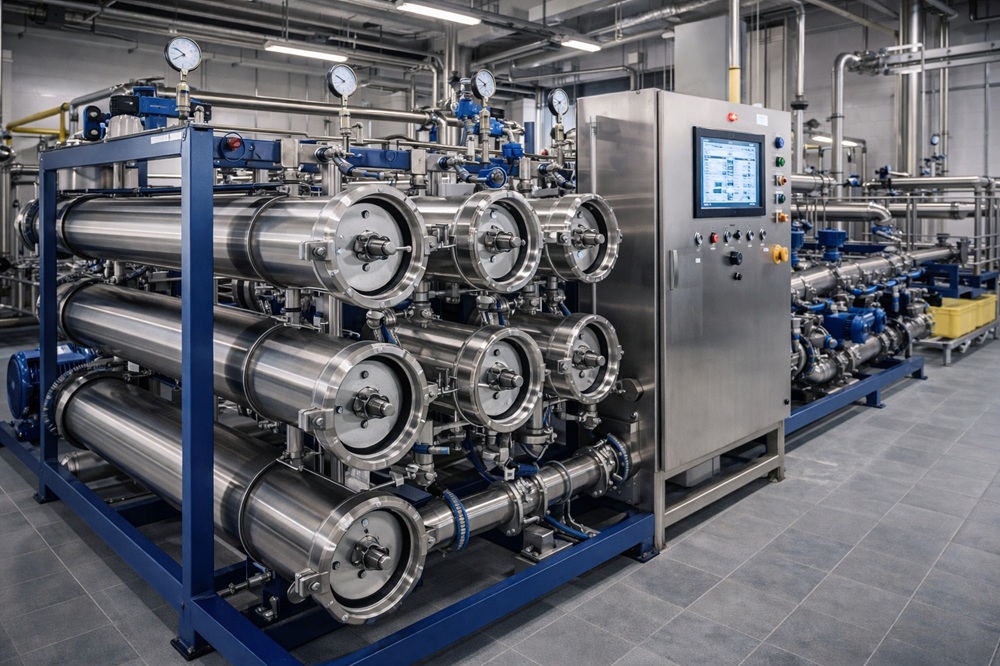
Reverse Osmosis (RO) is a water purification process that removes contaminants by using a semi-permeable membrane. Water is forced through the membrane, separating impurities, including salts, minerals, and chemicals, from clean water.
In industrial operations, water is often a critical component. For example, food and beverage manufacturing requires high-quality water for processing products, while pharmaceuticals need pure water for creating medicines. The best RO filtration systems ensure that water is treated to meet the specific quality standards required for these industries.
By removing harmful contaminants, RO systems reduce health risks, improve operational efficiency, and ensure compliance with local environmental regulations. Whether you’re dealing with brackish or seawater, RO filtration is flexible and customizable to meet different water quality needs.
Choosing the best RO filtration system requires understanding several key factors that influence performance, efficiency, and cost. Let’s look at what to consider when selecting a system for commercial or industrial use.
The first consideration when selecting an RO filtration system is the quality of the incoming water. Brackish water has moderate salinity, while seawater is highly saline. Understanding the water’s Total Dissolved Solids (TDS) is crucial in selecting the right membrane and system capacity.
The capacity and flow rate of the RO system are essential factors in ensuring that the system can handle the volume of water required by your business. Capacity is typically measured in cubic meters per hour (m³/hr) or per day (m³/day).
For large-scale industrial operations, you’ll need a high-capacity industrial RO filtration system. For smaller applications or seasonal demand, a smaller, more compact RO plant may be sufficient.
The membrane is the heart of the RO system. Membranes differ based on the type of water being treated, and they need to be selected carefully based on the water quality. For seawater, high-quality seawater membranes are required, while for brackish water, brackish water membranes are designed for optimal performance.
The durability of the membrane is also crucial. Choose a system with long-lasting membranes to minimize replacement costs and ensure consistent filtration performance.
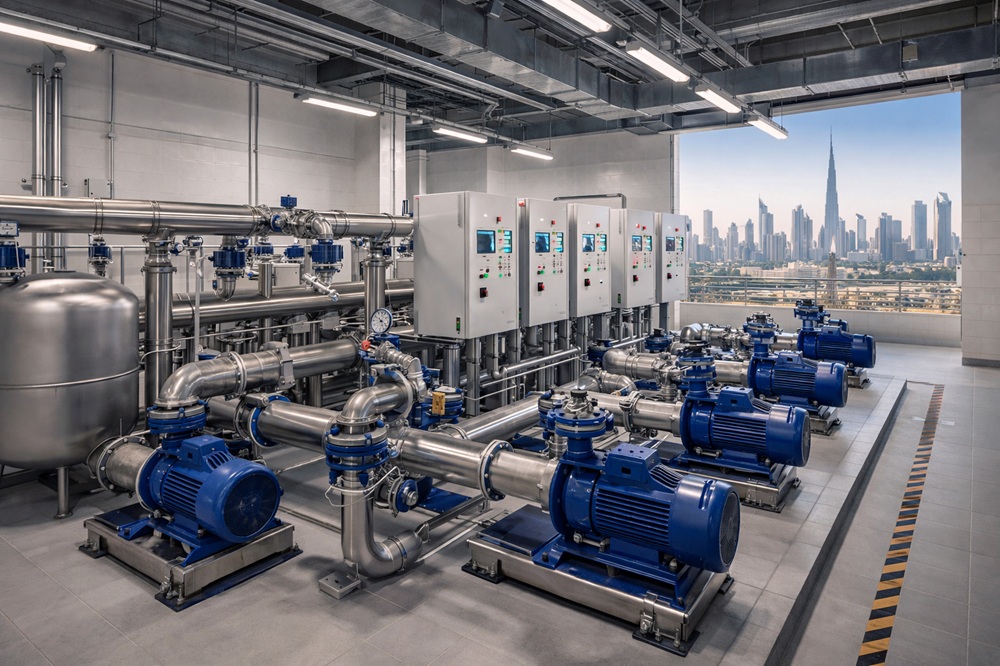
Energy costs can make up a significant portion of the operating costs of an industrial RO filtration system. Energy-efficient RO systems are designed to reduce the amount of energy required for operation, typically through variable frequency drives (VFDs), which adjust the pump speed based on demand.
Energy efficiency is particularly important in large-scale commercial and industrial systems, where optimizing energy use can lead to significant savings in the long run.
The best RO filtration systems come with advanced automation and monitoring capabilities. This ensures real-time tracking of parameters like pressure, flow, and TDS, enabling better control over system performance. Remote monitoring also ensures that operators can track the system’s status and address any issues promptly.
Automated systems often offer self-cleaning mechanisms and provide alerts when the membranes need to be cleaned or replaced, which can help avoid downtime and enhance system reliability.
There are many advantages to investing in a high-quality RO filtration system. Below are some of the most significant benefits for commercial and industrial facilities:
A high-quality RO filtration system ensures that water quality remains consistent, which is vital for industries like food processing, beverages, and pharmaceuticals, where impurities can negatively affect production.
Most industries require water treatment systems that comply with local or international quality standards. An efficient RO filtration system helps ensure your water quality meets these standards, thus reducing the risk of regulatory violations.
Investing in a durable, energy-efficient RO water filtration system can result in long-term savings. Lower energy consumption, reduced water wastage, and less frequent membrane replacements will help reduce operational costs over time.
By improving water quality and reducing wastewater generation, RO filtration systems help businesses become more sustainable. Companies can reuse treated water for non-potable uses like irrigation or industrial processes, which aligns with global sustainability goals.
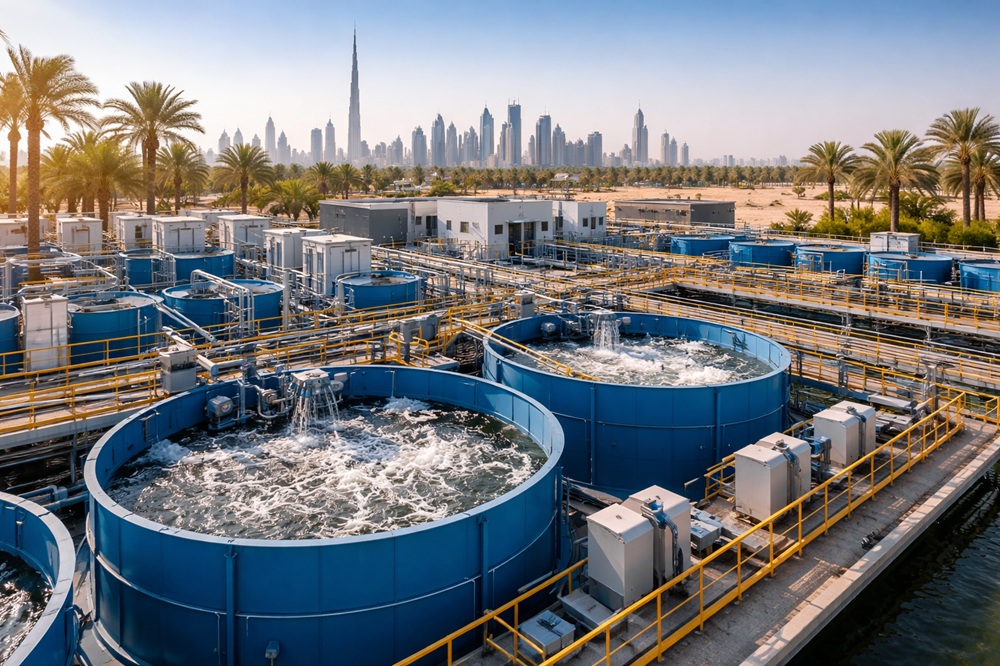
Seawater RO systems are used to desalinate seawater. They are ideal for coastal industries or regions with limited access to freshwater. These systems use specialized membranes designed to handle high salinity levels, making them perfect for large-scale desalination operations.
Brackish water RO systems are used for groundwater or water with moderate salinity. They are ideal for industries like agriculture, food manufacturing, and mining that require clean water for processes like irrigation or product manufacturing.
Some industries may need a custom-designed industrial RO filtration system that meets specific water treatment requirements. These systems can be tailored to handle particular water qualities, capacities, and operational requirements, ensuring optimal filtration performance.
Routine maintenance is essential for keeping your RO filtration system in peak condition. This includes:
By maintaining your system properly, you ensure that it continues to provide high-quality water and operates efficiently.
There are several signs that it may be time to replace your RO system:
If your system shows any of these signs, it may be more cost-effective to replace it rather than continue to repair it.
Choosing the right provider for your RO filtration system is critical. Look for a provider with:
A trusted provider ensures that you get the best possible system design, installation, and ongoing support.
Selecting the right RO filtration system for your commercial or industrial facility is crucial for ensuring clean, safe water for operations. By carefully considering water quality, capacity, energy efficiency, and maintenance, you can select the best system to meet your specific needs.
Whether you’re operating a large-scale industrial facility, a remote location, or a high-rise building, the right RO filtration system will help improve performance, reduce costs, and keep your operations compliant with regulatory standards.
info@meftinternational.net February 26, 2026
info@meftinternational.net February 19, 2026
info@meftinternational.net February 12, 2026
info@meftinternational.net February 10, 2026
info@meftinternational.net January 30, 2026
info@meftinternational.net January 20, 2026
info@meftinternational.net December 31, 2025
info@meftinternational.net December 23, 2025