 info@meftinternational.net
  March 24, 2026
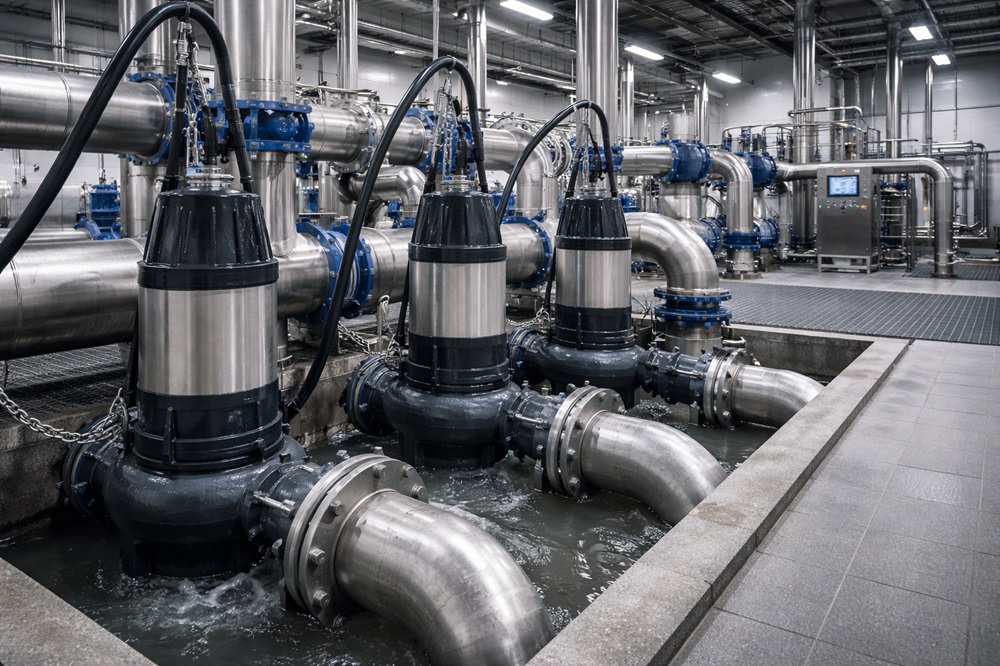
Industrial facilities, ranging from manufacturing plants to large-scale complexes, generate substantial amounts of wastewater that require effective and efficient management. For these facilities, maintaining a stable and reliable water flow is crucial, particularly when faced with challenges such as elevation changes and varying sewage volumes. This is where sewage lift pumps play a vital role.
Sewage lift pumps are integral to wastewater systems, particularly in facilities where gravity alone is insufficient to move sewage to treatment areas. Properly designing and selecting sewage lift pumps can prevent costly downtime, ensure regulatory compliance, and prolong the lifespan of the overall system.
In this article, we explain sewage lift pumps, the design considerations for industrial use, how to select the right pump system, and best practices for operation and maintenance.
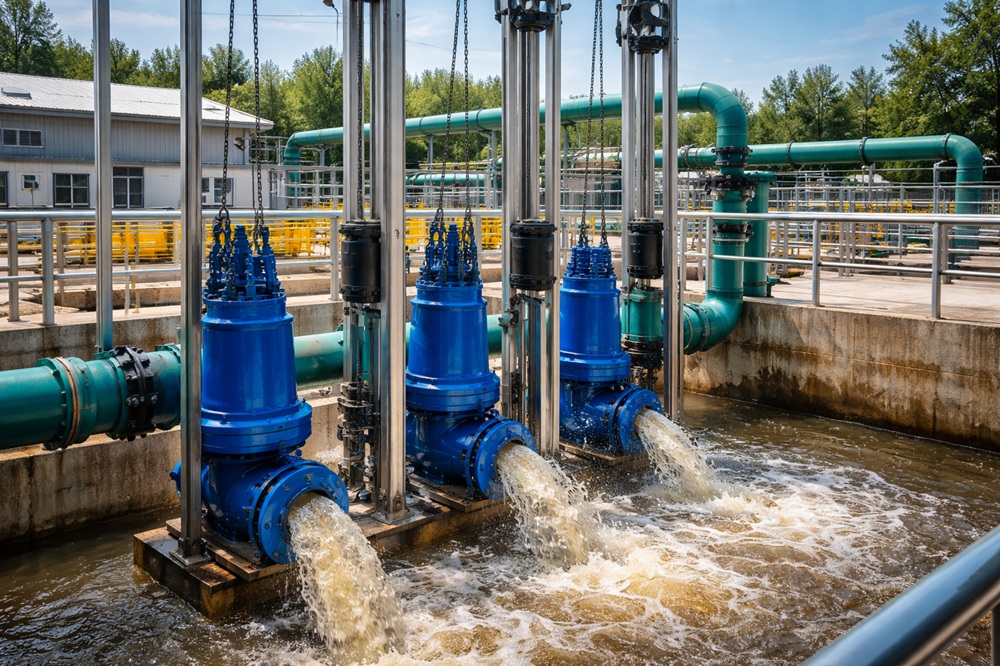
Sewage lift pumps help elevate sewage and wastewater from low points to higher points, ensuring that water flows through the system to its intended destination. These pumps are designed to overcome the limitations of gravity, which often cannot support the efficient movement of wastewater, especially in multi-level buildings or large industrial complexes.
In industrial facilities, sewage lift pumps are used in systems where gravity cannot ensure proper water flow, such as when wastewater has to be moved from below-grade collection areas to above-ground treatment plants. Without these pumps, wastewater systems could become overwhelmed, leading to blockages, overflows, and even health hazards.
Proper design and installation of sewage lift pumps in industrial settings are crucial to ensure the system operates smoothly and efficiently. The following factors should be taken into consideration:
Industrial facilities are often subject to high sewage volumes, particularly during peak operations. Sewage lift pumps must be properly sized to handle large flow rates. If the pumps are undersized, it can lead to system failure and clogged pipelines. Oversized pumps waste energy and increase operational costs. Engineers should carefully calculate the expected flow rate and design the pump system accordingly.
Industrial facilities may deal with hazardous chemicals, oils, or other contaminants in their wastewater. Sewage lift pumps must be selected with materials that can handle these harsh conditions. Corrosion-resistant pumps are essential when dealing with wastewater that includes chemicals, oils, or other aggressive materials.
Pressure head refers to the height difference the pump must overcome to move the wastewater from its current location to a higher elevation. This is a critical factor when selecting the pump. Correct pressure head calculation ensures the pump operates efficiently without putting unnecessary strain on the motor or other components.
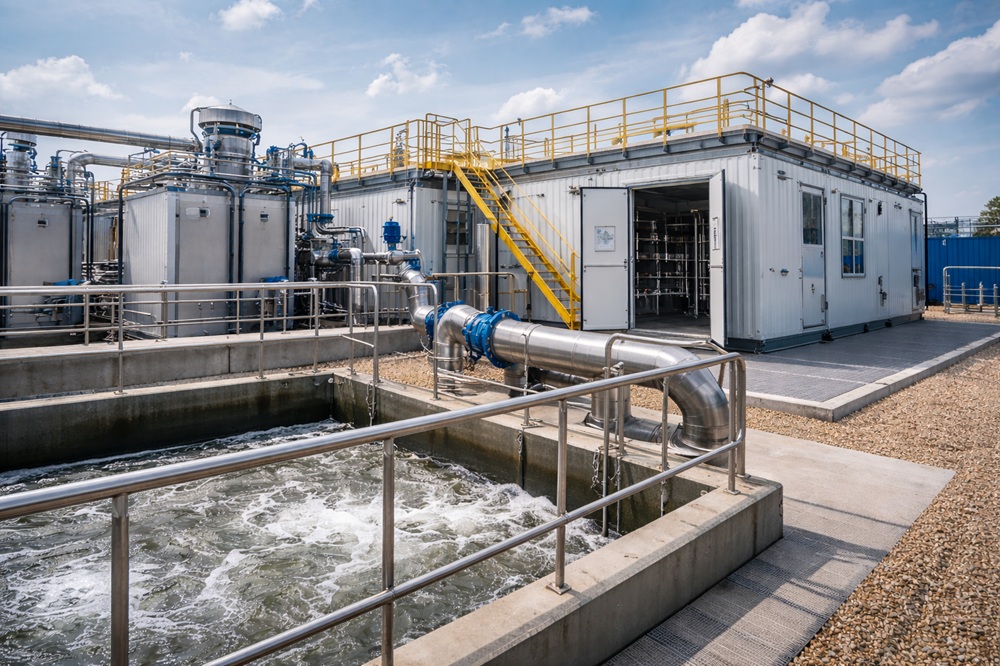
In industrial settings, available space can often be limited, so it is essential to design the sewage pumping system with compactness in mind. Pump systems should also be designed for ease of maintenance and future upgrades. Ensuring that there is enough space for regular inspection and maintenance will save time and money in the long term.
Choosing the right sewage lift pump is key to ensuring long-term efficiency and reliability. The selection process involves a few important considerations:
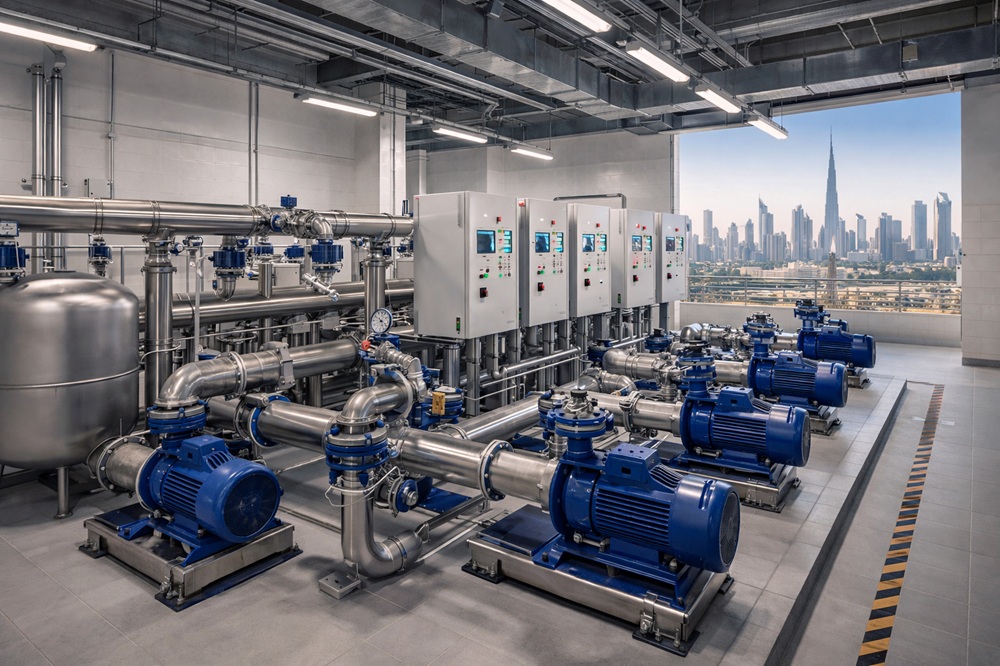
There are several types of sewage lift pumps, and the choice depends on the application. For industrial facilities, submersible pumps and dry pit pumps are the most common options. Submersible pumps are typically used in wet wells and submerged in the wastewater, while dry pit pumps are located above ground, with wastewater being pumped into them through suction lines.
Energy efficiency is a major factor in industrial pump design. Variable Frequency Drives (VFDs) are used in sewage lift pumps to adjust the speed of the motor depending on the demand. This helps reduce energy consumption and extend the pump’s lifespan. A pump system with VFDs ensures that the pump operates only as much as needed, reducing energy costs.
In industrial facilities, the reliability of sewage lift pumps is non-negotiable. System downtime can lead to significant operational disruptions. To mitigate this risk, a duty/standby configuration is often implemented. In this setup, one pump operates while the other serves as a backup. This ensures that the sewage pumping system is always functional, even in the event of equipment failure.
Once the sewage lift pumps are installed, maintaining optimal performance is essential. The following best practices should be followed:
It is important to monitor the performance of sewage lift pumps continuously. Sensors can track parameters like pressure, flow, and temperature in real-time. Regular monitoring helps to identify potential issues before they cause major system failures.
Routine inspection and preventive maintenance are key to ensuring the longevity of sewage lift pumps. Common tasks include:
Industrial wastewater can often contain large solids, oils, and debris that can clog or damage pumps. It’s essential to have a screening system or grinders in place to ensure that only liquid waste enters the sewage lift pump system.
Energy costs are a significant part of the operational expenses of sewage lift pumps. By optimizing pump selection, pump speed (via VFDs), and system design, industrial facilities can significantly reduce energy consumption. Some strategies to improve energy efficiency include:
Even with the best design and maintenance practices, sewage lift pumps can encounter several challenges. Here are some of the most common problems and how to address them:
Cavitation occurs when the pressure inside the pump drops too low, causing the liquid to vaporize and form bubbles. These bubbles can collapse, causing damage to the pump. To avoid cavitation, ensure that the pump is properly sized and the suction pressure is sufficient.
Sewage lift pumps often handle wastewater that contains debris, which can lead to blockages. To prevent clogs, regular cleaning and the use of appropriate screening systems are essential.
Unexpected pump downtime can be costly. To mitigate this risk, ensure that the system is redundant, with a backup pump always ready to take over. Regular inspections and maintenance will also help minimize unexpected breakdowns.
Choosing the right provider is just as important as selecting the right pump. The ideal provider should have:
A reliable provider will ensure that your system is designed and installed correctly, helping to avoid costly mistakes.
With proper maintenance, sewage lift pumps can last between 10–15 years. Regular inspections and timely repairs can extend their life even further.
Maintenance should be carried out every 3–6 months, depending on the system’s usage and environmental factors. Pumps in critical areas may require more frequent checks.
Yes, many sewage lift pumps are designed to handle both solids and liquids. It’s important to select the right pump type for the specific application.
In industrial facilities, sewage lift pumps are more than just a utility—they are essential for maintaining a clean and efficient operation. Proper design, selection, and maintenance practices ensure that these systems work efficiently and without failure, saving time, money, and resources. Understanding how to address common challenges, optimize energy use, and monitor pump performance will help ensure that sewage lift systems continue to operate at their best.
info@meftinternational.net March 24, 2026
info@meftinternational.net March 12, 2026
info@meftinternational.net February 19, 2026
info@meftinternational.net February 12, 2026
info@meftinternational.net February 10, 2026
info@meftinternational.net January 30, 2026
info@meftinternational.net January 20, 2026
info@meftinternational.net December 31, 2025