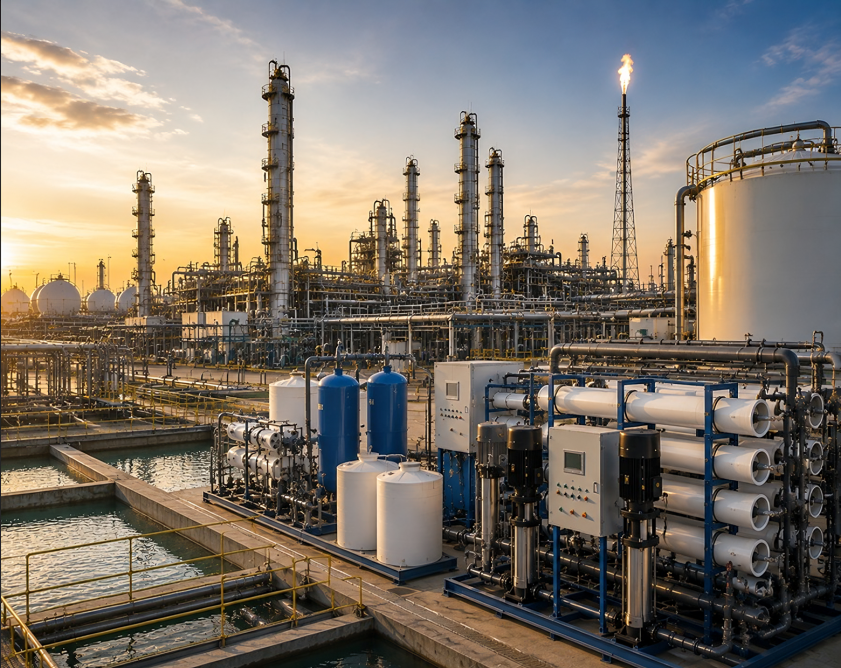
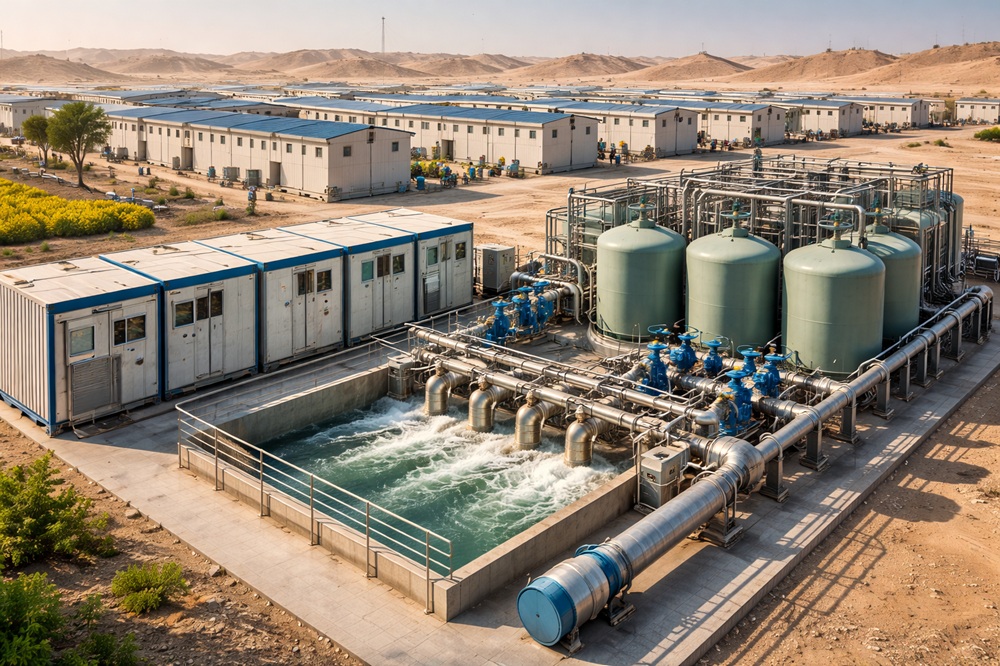
Saudi Arabia is home to some of the world’s largest oil, gas, and petrochemical facilities. These industrial clusters are critical to the Kingdom’s economy, contributing significantly to national revenue and global energy supply. However, operating large-scale industrial plants comes with complex water management challenges. Multiple processes generate different types of wastewater, which often need centralized or integrated treatment to meet environmental regulations, operational efficiency, and sustainability targets.
In this blog, we explore integrated water treatment strategies for oil, gas, and petrochemical clusters in Saudi Arabia, detailing how combined wastewater flows are managed in common treatment hubs. We also discuss design considerations, sustainability benefits, and best practices for maximizing efficiency and compliance.
Understanding Water Challenges in Industrial Clusters
Industrial clusters in Saudi Arabia generate substantial volumes of water and wastewater from multiple sources:
- Process Water – Used in cooling, chemical reactions, and cleaning equipment.
- Produced Water – Water co-extracted during oil and gas operations, often high in salinity and hydrocarbons.
- Cooling Tower Blowdown – Contains minerals, corrosion inhibitors, and chemical residues.
- Domestic Wastewater – From staff accommodations and office areas.
- Stormwater Runoff – Potentially contaminated with hydrocarbons or suspended solids.
Managing these diverse water streams individually is inefficient and expensive. Integrating them into a common water treatment hub allows operators to streamline processes, optimize energy and chemical use, and reduce environmental impact.
What Is an Integrated Water Treatment System?
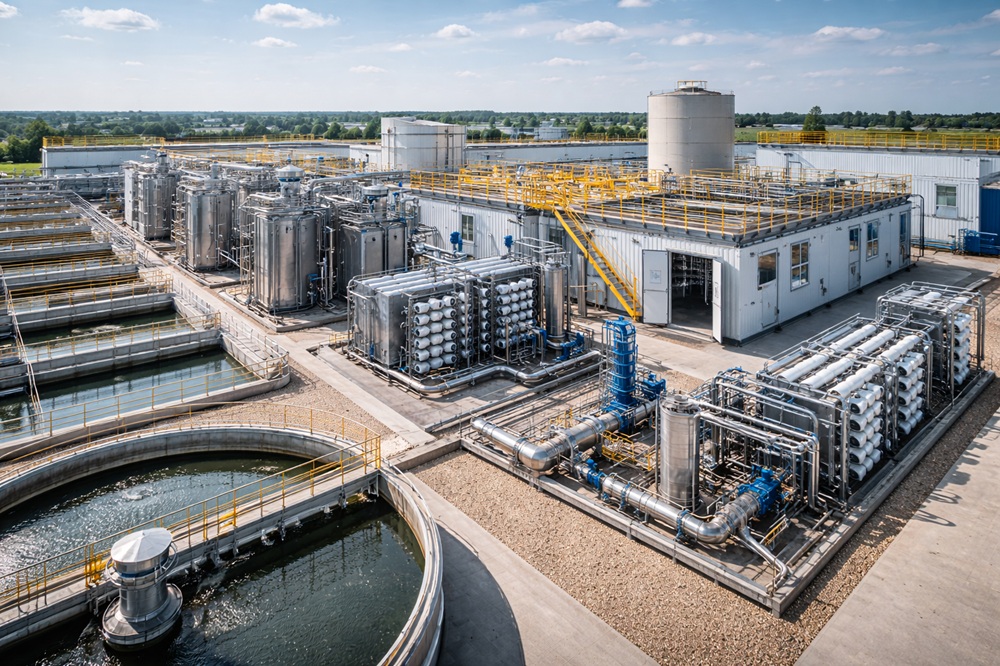
An integrated water treatment system combines multiple wastewater flows from different processes into a single or centralized treatment infrastructure. This approach is designed to:
- Handle multiple water types simultaneously
- Optimize chemical dosing and filtration across streams
- Reduce operational costs by sharing utilities like pumps and membranes
- Ensure compliance with local and international discharge standards
In Saudi Arabia, integrated water treatment is often implemented as part of an industrial water hub, where centralized facilities receive, treat, and redistribute water to multiple production units.
Key Components of Integrated Treatment in Clusters
- Primary Treatment Units
- Remove large solids, oil, and grease
- Includes oil-water separators, grit chambers, and screening systems
- Secondary Biological Treatment
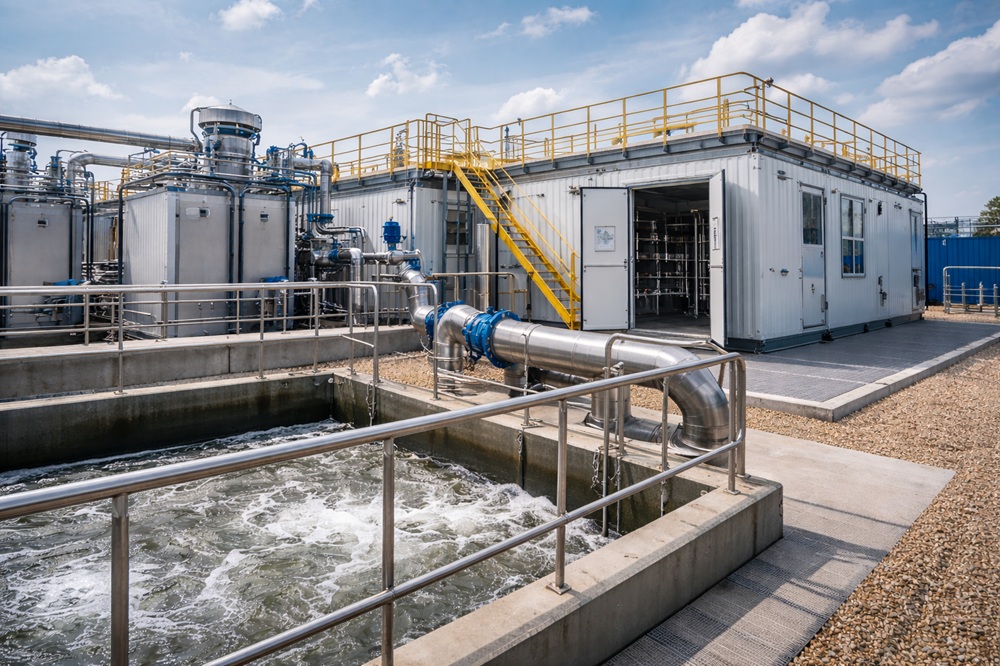
- Typically MBBR (Moving Bed Biofilm Reactor) or SBR (Sequencing Batch Reactor)
- Removes dissolved organic contaminants
- Tertiary Treatment / Polishing
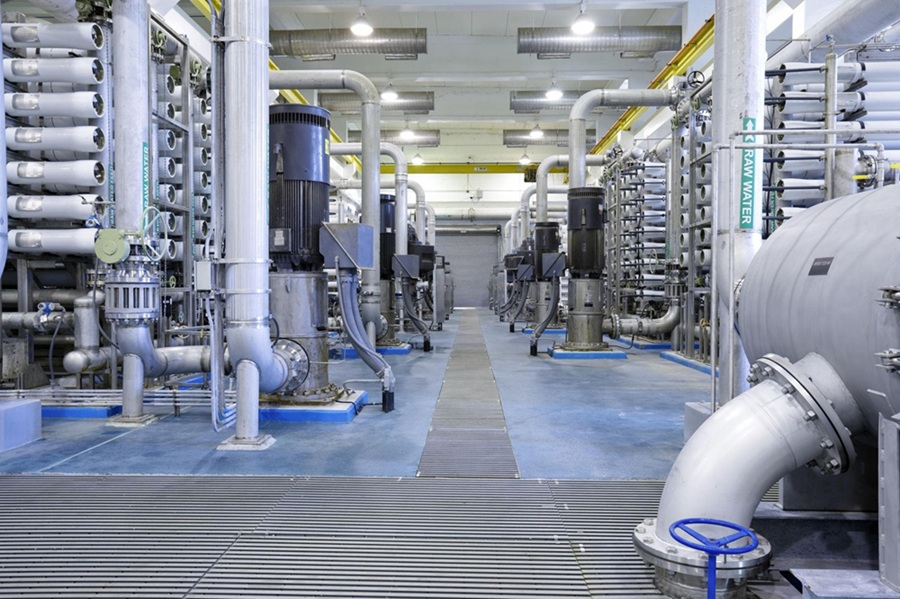
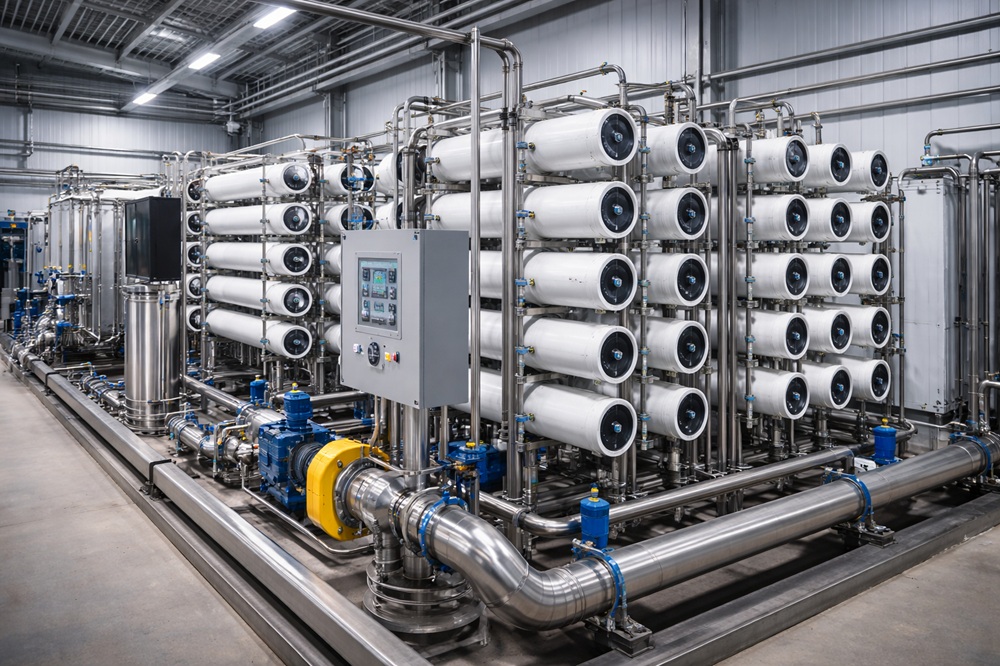
- Membrane filtration (RO, UF) or chemical polishing
- Ensures compliance with discharge and reuse standards
- Advanced Treatment for Produced Water
- Hydrocarbon removal and desalination
- May involve thermal processes or high-pressure RO
- Utility Systems
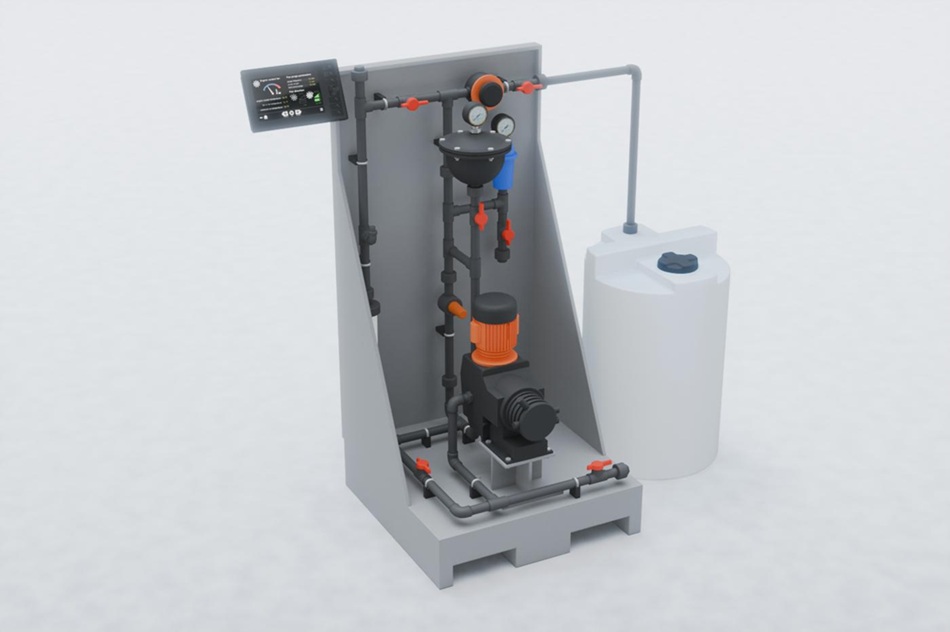
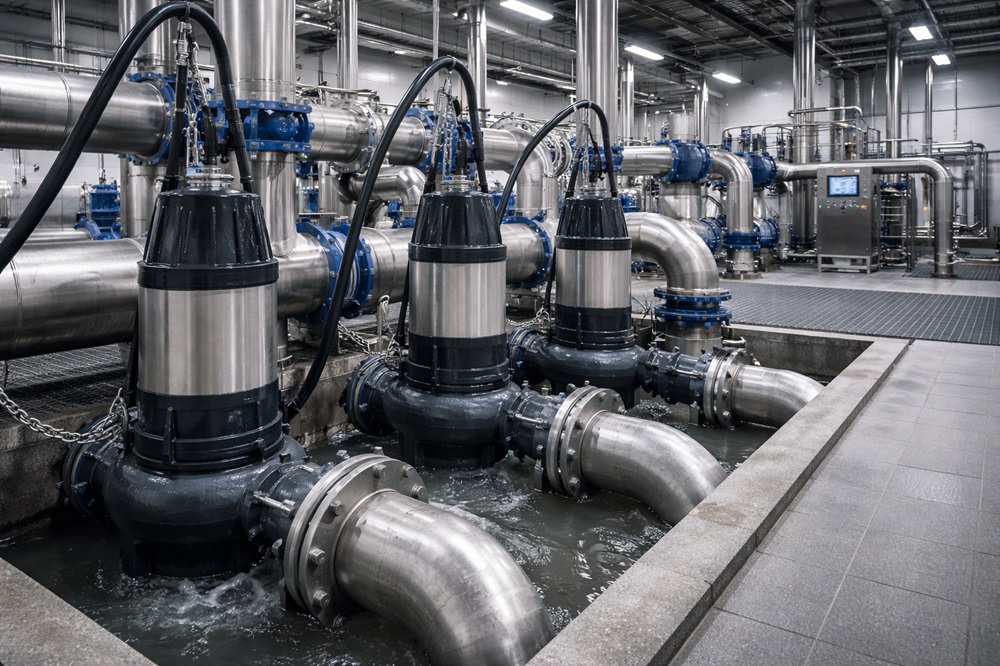
- Pumps, chemical dosing systems, and instrumentation
- Automation for monitoring, control, and energy optimization
Benefits of Integrated Water Treatment for Clusters
- Operational Efficiency: Sharing treatment infrastructure reduces duplication of equipment and saves energy.
- Compliance Assurance: Centralized monitoring ensures all wastewater streams meet strict environmental regulations.
- Cost Optimization: Consolidating treatment processes lowers capital expenditure and operational costs.
- Resource Recovery: Treated water can be reused in cooling, irrigation, or industrial processes.
- Scalability: Systems can be expanded as new units are added to the cluster.
Design Considerations for Saudi Industrial Clusters
Designing integrated water treatment systems for oil, gas, and petrochemical clusters requires careful planning:
- Flow Equalization – Stabilize flow and load variations from multiple sources.
- Chemical Compatibility – Ensure chemicals used in treatment do not interfere across streams.
- High Salinity and Hydrocarbon Content – Especially in produced water; requires RO or thermal treatment.
- Automation and Monitoring – Critical for energy efficiency, preventive maintenance, and regulatory compliance.
- Redundancy and Reliability – Backup units ensure continuous operation during maintenance or peak demand.
Sustainability Advantages
Integrated systems support sustainability by:
- Reducing freshwater consumption through reuse
- Minimizing environmental footprint via centralized treatment
- Lowering energy and chemical consumption
- Enabling compliance with Vision 2030 environmental goals
For example, treated water can be reused in cooling towers, firefighting systems, and landscaping, reducing reliance on municipal or desalinated water.
Best Practices for Implementation
- Conduct a comprehensive water audit to identify all sources and loads.
- Develop a centralized treatment hub with modular expansion options.
- Choose treatment technologies suitable for specific wastewater types.
- Integrate automation and remote monitoring for efficiency and compliance.
- Plan for future expansions, including new production units or additional clusters.
Conclusion
Integrated water treatment in oil, gas, and petrochemical clusters is no longer a luxury it is essential for operational efficiency, regulatory compliance, and sustainable water management. By consolidating multiple wastewater streams into centralized treatment hubs, industrial operators in Saudi Arabia can optimize resources, reduce costs, and support environmental goals.
As industrial growth continues, adopting integrated and modular water treatment solutions will be a key differentiator for companies seeking long-term efficiency, reliability, and sustainability in the Kingdom.
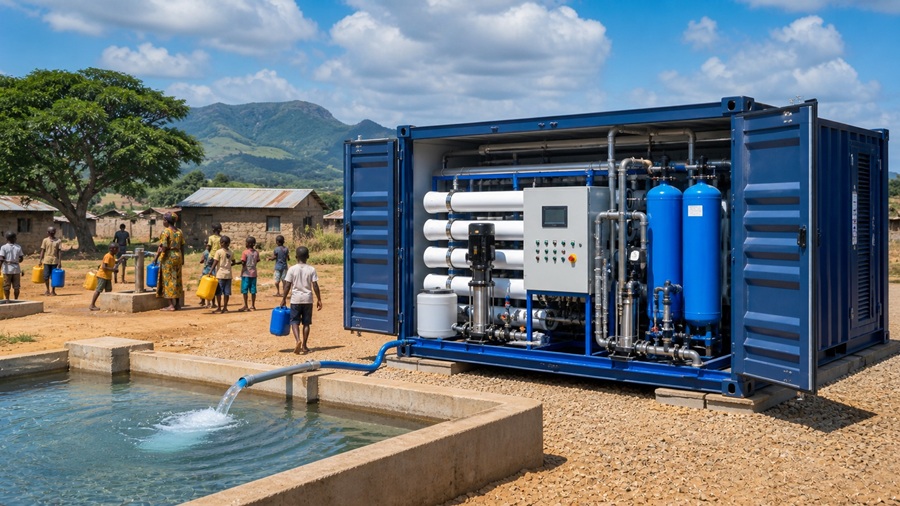
How Containerized Water Treatment Plants Are Solving Water Challenges in Africa
Across many parts of Africa, access to clean and reliable water remains one of the biggest infrastructure challenges facing communities, industries, and governments. While urban populations continue to grow rapidly, water infrastructure development has not always expanded at the same pace. Consequently, many regions still struggle with limited treatment capacity,…

info@meftinternational.net

May 26, 2026
REad More
Chemical Dosing Systems in Saudi Arabia: Applications, Benefits & Key Considerations
Water treatment has become a critical priority in Saudi Arabia due to increasing industrial demand, limited freshwater resources, and strict environmental regulations. As industries expand and infrastructure projects grow, maintaining water quality is essential for both operational efficiency and compliance. One of the most important components in modern water treatment…
info@meftinternational.net
May 19, 2026
REad More
STP Plants for Labour Camps in Saudi Arabia: Why Proper Wastewater Planning Matters More Than Ever
Saudi Arabia’s rapid infrastructure expansion has created a massive increase in temporary and semi-permanent labour camps across construction, oil & gas, industrial, and mega development projects. From remote desert construction zones to large-scale infrastructure corridors linked to Vision 2030 developments, worker accommodations are becoming larger, more operationally complex, and increasingly…
info@meftinternational.net
May 7, 2026
REad More
Industrial RO Plant Installation in Saudi Arabia: Step-by-Step Guide
Saudi Arabia faces increasing pressure on its water resources due to rapid industrial growth, urban expansion, and limited natural freshwater availability. As a result, industries and infrastructure developers are actively adopting advanced treatment solutions to ensure a reliable and continuous water supply. Among these solutions, RO plant installation in Saudi…
info@meftinternational.net
April 28, 2026
REad More
EPC Contractors for Water Treatment Plants: Scope, Responsibilities & Project Lifecycle
Water treatment infrastructure plays a critical role in modern cities, industrial zones, and growing urban developments. As water demand increases across the Middle East and globally, governments and private organizations are investing heavily in advanced treatment facilities. To manage these complex projects efficiently, many organizations rely on an EPC contractor…
info@meftinternational.net
April 17, 2026
REad More
What Is a Packaged Treatment Plant and When Should You Use One?
As the demand for efficient and space-saving water and wastewater treatment systems continues to rise, packaged treatment plants have emerged as an ideal solution for various sectors across the Middle East. Whether it’s residential, industrial, or commercial applications, these systems offer a reliable, compact, and scalable solution to wastewater treatment…
info@meftinternational.net
March 24, 2026
REad More
Best RO Filtration Systems for Commercial and Industrial Applications
In today’s industrial and commercial environments, access to clean, safe water is essential. Whether it’s for manufacturing, food processing, or even day-to-day operations, having a reliable water treatment system can significantly impact the efficiency and quality of your processes. Reverse osmosis (RO) filtration systems have become one of the most…
info@meftinternational.net
March 12, 2026
REad More
Sewage Lift Pumps in Industrial Facilities: Key Design and Operational Considerations
Industrial facilities, ranging from manufacturing plants to large-scale complexes, generate substantial amounts of wastewater that require effective and efficient management. For these facilities, maintaining a stable and reliable water flow is crucial, particularly when faced with challenges such as elevation changes and varying sewage volumes. This is where sewage lift…
info@meftinternational.net
February 26, 2026
REad More