 info@meftinternational.net
  February 26, 2026
In Dubai, where development is fast-paced and space is often limited, businesses and developers must find innovative solutions for wastewater treatment. Choosing the right treatment system is crucial—not only for meeting regulatory standards but also for ensuring long-term sustainability, cost-effectiveness, and operational efficiency.
When it comes to sewage treatment, there are two main types of systems commonly used: containerised sewage treatment plants and conventional sewage treatment plants. But how do you decide which system is the right choice for your Dubai-based project? In this blog, we’ll explore the differences between these two systems and help you understand when each is the better choice for your project needs.
Before diving into the specifics of each system, let’s take a moment to understand what sewage treatment entails in the context of Dubai. Wastewater treatment refers to the process of removing contaminants from wastewater to make it safe for discharge or reuse. Depending on the application, treated water may be:
Both containerized water treatment plants and conventional sewage treatment systems contribute to achieving these goals, but they differ in terms of design, installation, cost, and scalability.
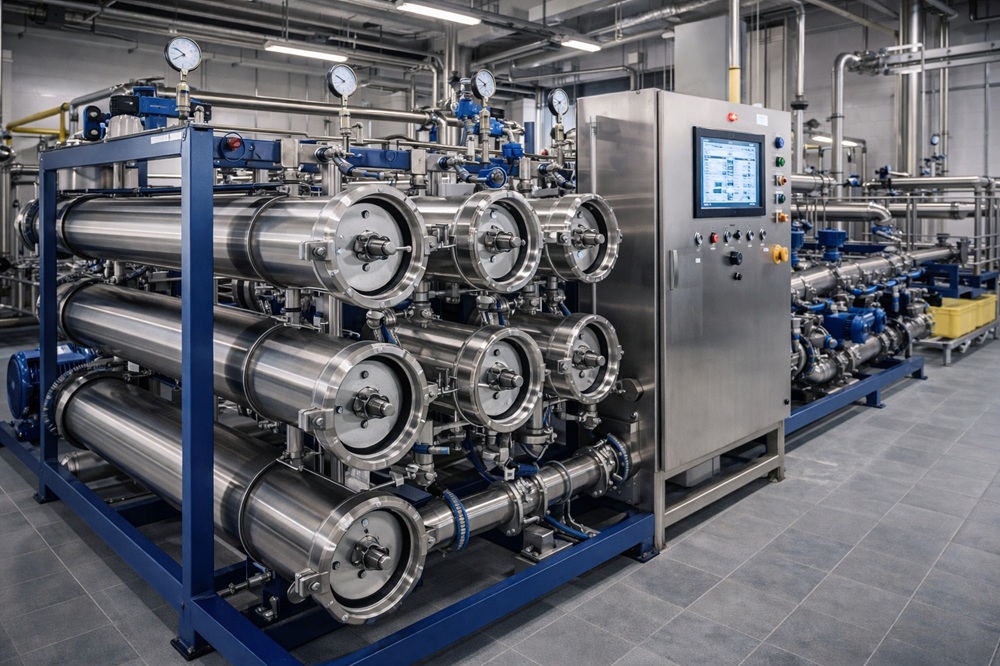
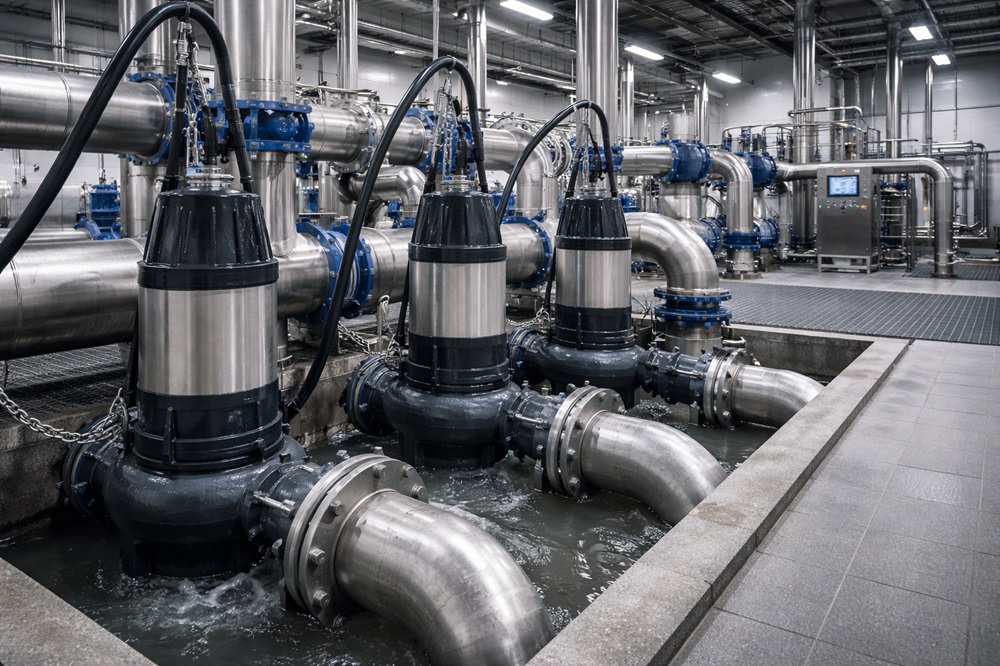
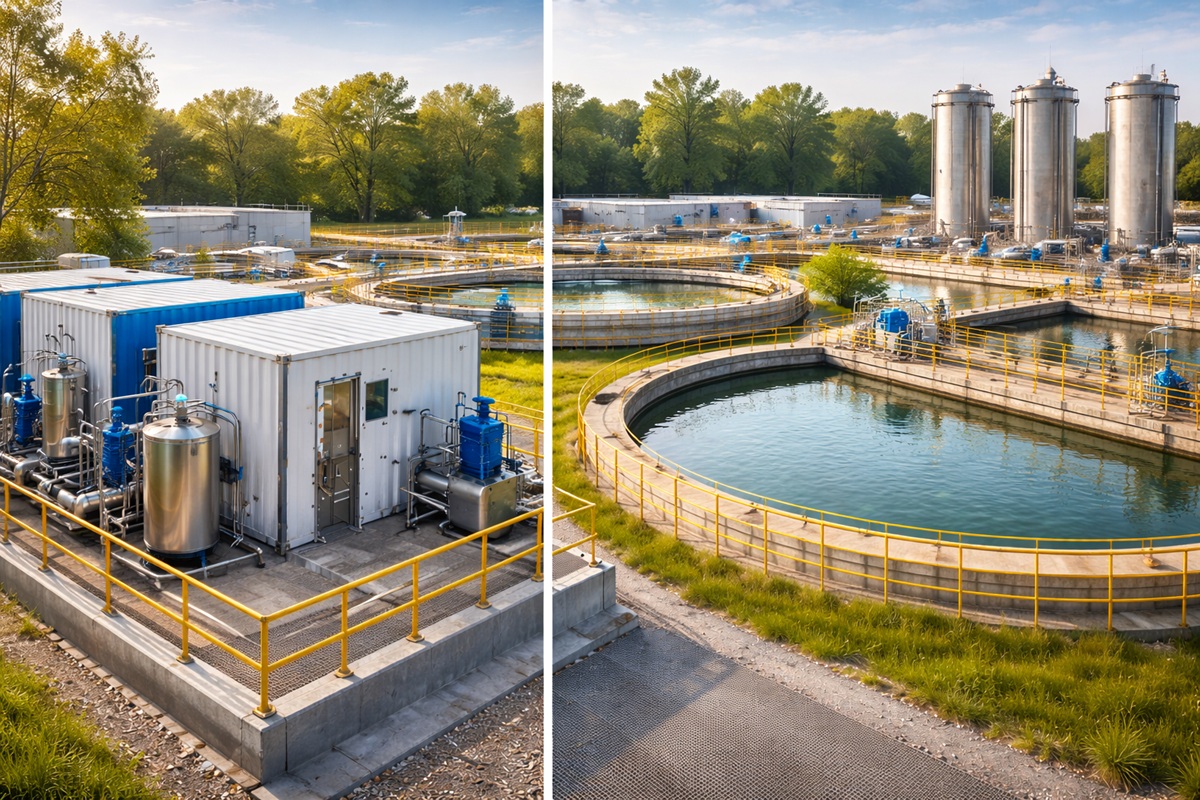
A containerised sewage treatment plant is a prefabricated system housed in standard ISO containers, designed to be compact, modular, and easy to transport. These systems are factory-assembled and undergo thorough testing before being delivered to the site.
Containerised systems are ideal for projects that require speed, flexibility, and efficiency in a limited space. These systems work best for:
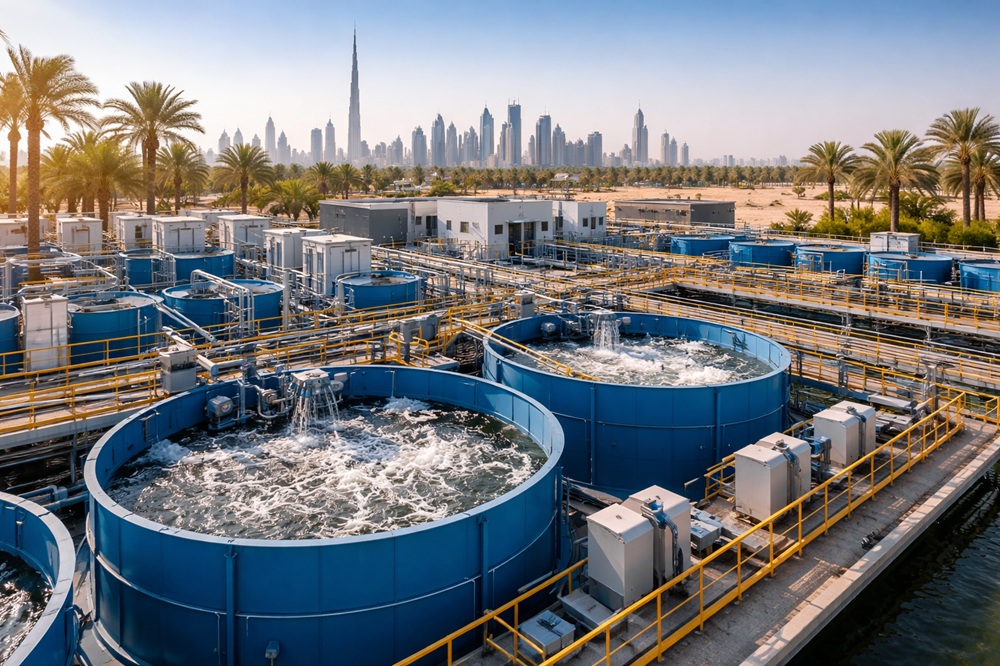
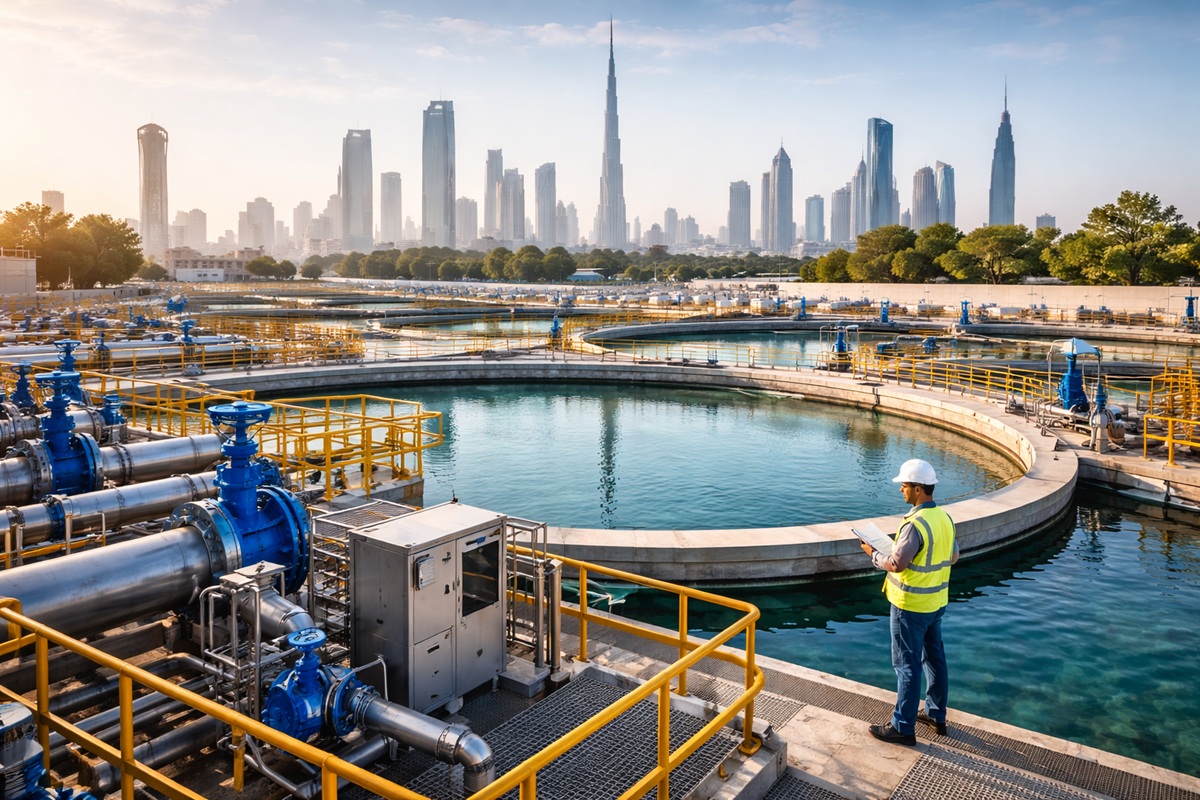
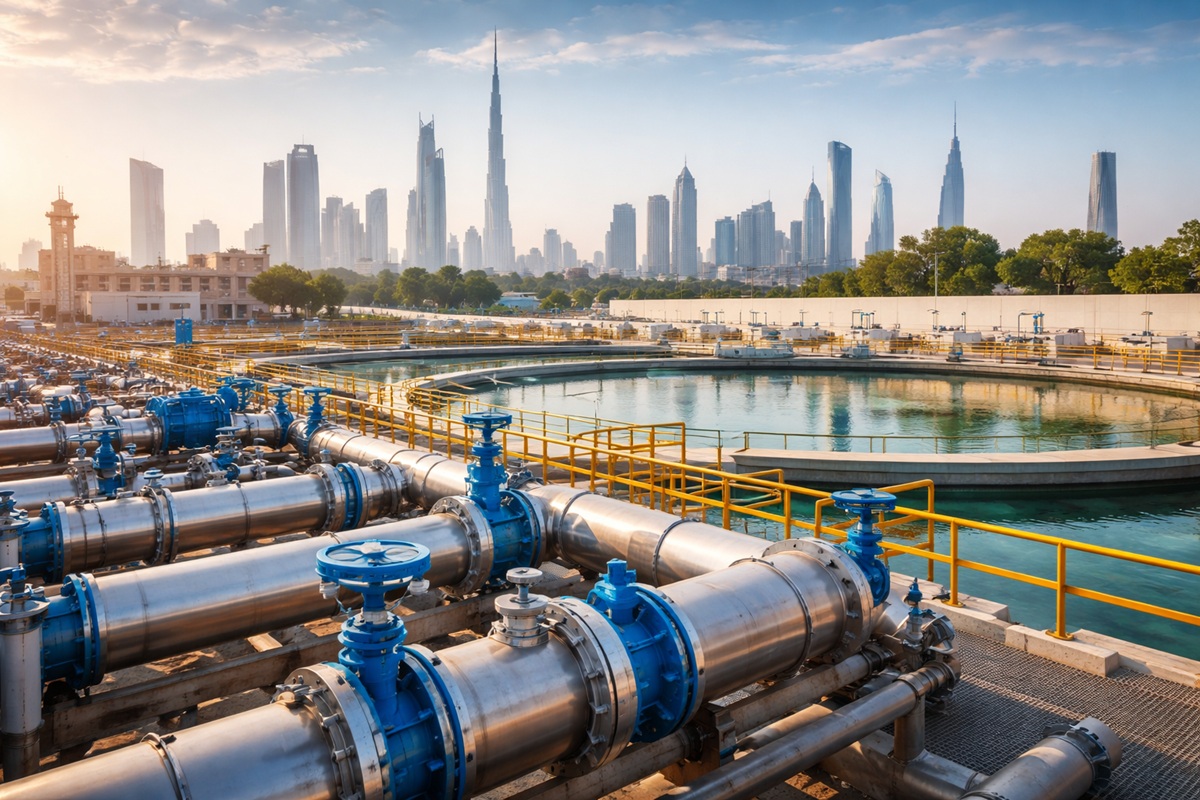
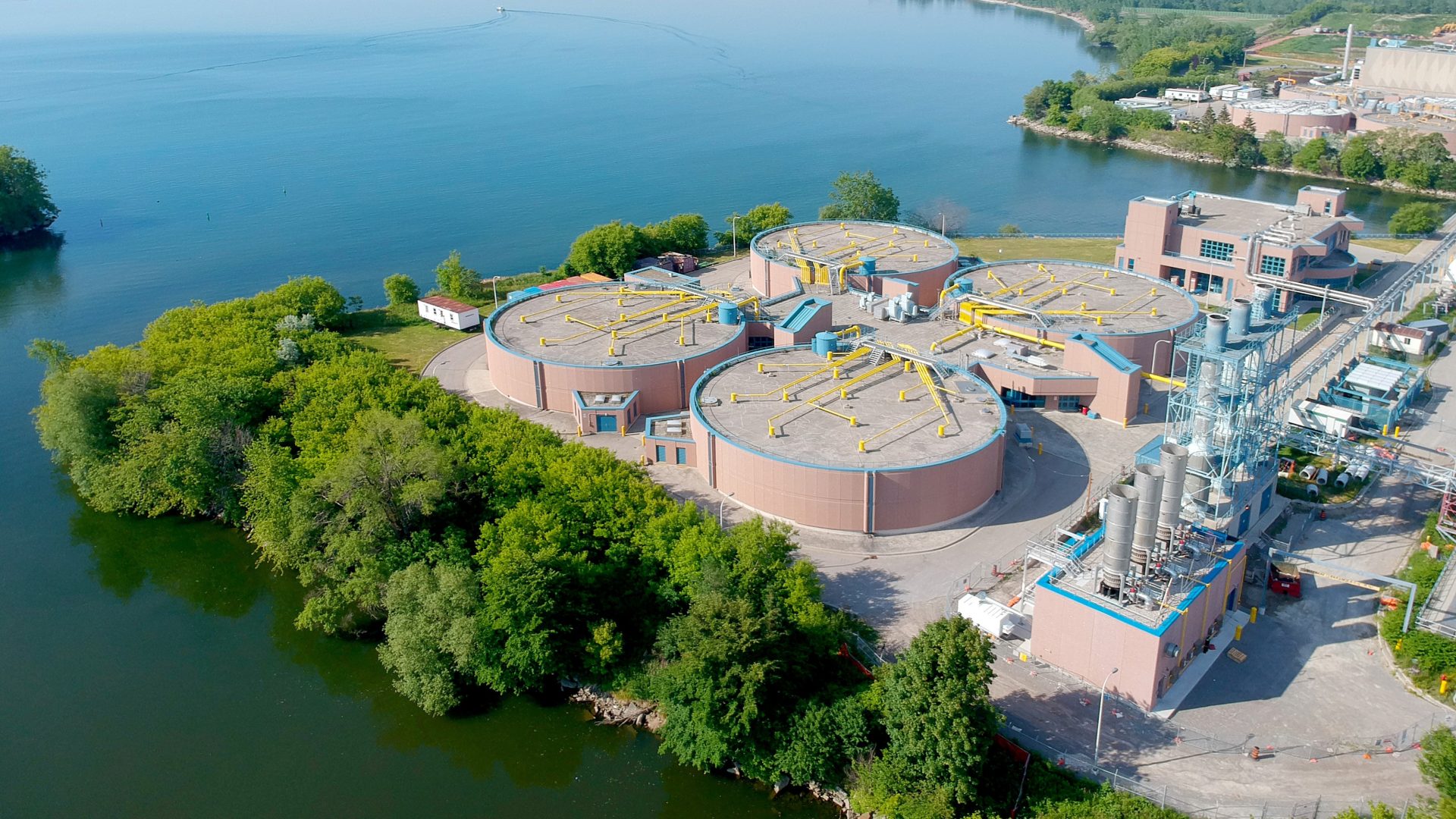
A conventional sewage treatment plant is a larger, custom-built system designed and constructed on-site. Unlike containerised systems, conventional plants require significant space and time for installation. These systems are tailored to meet the specific needs of a site and often involve extensive civil works.
Conventional systems are more appropriate for large-scale, long-term projects that require custom solutions and are less constrained by space. They are typically used in:
When deciding between containerised and conventional sewage treatment plants, several factors come into play:
Containerised STPs are quicker to install, taking just a few weeks, as they come pre-assembled. Conventional STPs require more time, typically several months, due to on-site construction.
Containerised systems are compact and ideal for sites with limited space. Conventional systems need larger areas due to their custom-built infrastructure.
Containerised STPs are more affordable upfront, with lower installation and civil work costs. Conventional STPs are more expensive due to their custom designs and longer setup times.
Containerised STPs offer less flexibility and are suited for specific applications. Conventional STPs provide more design flexibility and are better for complex, large-scale projects.
Containerised STPs are easier to maintain with fewer moving parts, while conventional STPs require more extensive upkeep due to their complexity.
Both systems meet Dubai’s regulations, but containerised STPs are quicker to configure for compliance. Conventional STPs may need more adjustments to meet specific standards.
Containerised STPs are ideal for smaller projects, temporary sites, or limited spaces. Conventional STPs work best for large, long-term developments with scalable needs.
Containerised sewage treatment plants are built off-site and delivered ready for installation, allowing for a much faster setup compared to conventional plants. This is particularly valuable for businesses looking to meet tight project deadlines or requiring temporary solutions for short-term needs.
With limited space often being a challenge in urban Dubai, containerised systems provide a compact solution. These plants can be easily integrated into existing infrastructure or placed in tight spaces without compromising performance.
For temporary projects or sites with variable water treatment needs, containerised systems offer an affordable, flexible solution. These plants are typically more budget-friendly compared to conventional systems, making them a cost-effective choice for businesses with limited budgets or short-term commitments.
While containerised systems are ideal for certain applications, there are situations where a conventional system is a better choice.
Conventional sewage treatment plants are better suited for large-scale developments, such as residential neighborhoods, hotels, and factories, where the treatment capacity required exceeds the capabilities of containerised systems.
For businesses or projects that require a permanent solution with room for future expansion, conventional systems provide more flexibility in design and scalability.
If your project has unique needs, such as higher influent flows, complex treatment requirements, or integration with other systems, a conventional plant may be the best option. These systems can be tailored to fit the specific operational and regulatory requirements of the site.
Both containerised and conventional sewage treatment plants can contribute to the UAE’s sustainability goals by treating wastewater and enabling its safe reuse for irrigation, cooling, and industrial processes. However, containerised systems are often more energy-efficient due to their compact design, which can result in lower operational costs and a smaller carbon footprint.
Conventional systems, on the other hand, provide long-term sustainability but require more resources and energy to operate due to their larger size and more complex infrastructure.
Containerised systems generally come with lower upfront costs due to the prefabricated nature of the system and reduced construction requirements. Conventional systems require significant investment in both materials and labor.
Containerised systems tend to have lower ongoing operating costs due to fewer moving parts and easier maintenance. Conventional systems, while more durable over time, typically require higher maintenance and energy costs.
For businesses with short-term needs or temporary projects, containerised systems can deliver a quicker ROI due to faster installation and lower operational costs. Conventional systems provide long-term value but have a longer payback period.
Both containerised and conventional sewage treatment plants are designed to meet the regulatory requirements set by Dubai Municipality and other local authorities. However, containerised systems are often easier to configure for compliance due to their modular design, which allows them to be adapted to meet discharge standards quickly.
Conventional systems, while also compliant, may require more adjustments and customization to meet specific regulatory needs.
When deciding between a containerised and a conventional sewage treatment plant, consider the following:
Choosing between a containerised sewage treatment plant and a conventional sewage treatment plant depends largely on your project’s size, timeline, and long-term goals. Both systems offer unique benefits, and the decision should be based on the specific needs of your Dubai-based project.
If you’re uncertain which system is best suited for your requirements, contact us at MEFT International. Our team of experts can help you design a solution that ensures compliance, efficiency, and long-term sustainability.
info@meftinternational.net February 26, 2026
info@meftinternational.net February 19, 2026
info@meftinternational.net February 12, 2026
info@meftinternational.net February 10, 2026
info@meftinternational.net January 30, 2026
info@meftinternational.net December 31, 2025
info@meftinternational.net December 23, 2025
Admin July 20, 2025