 info@meftinternational.net
  May 19, 2026
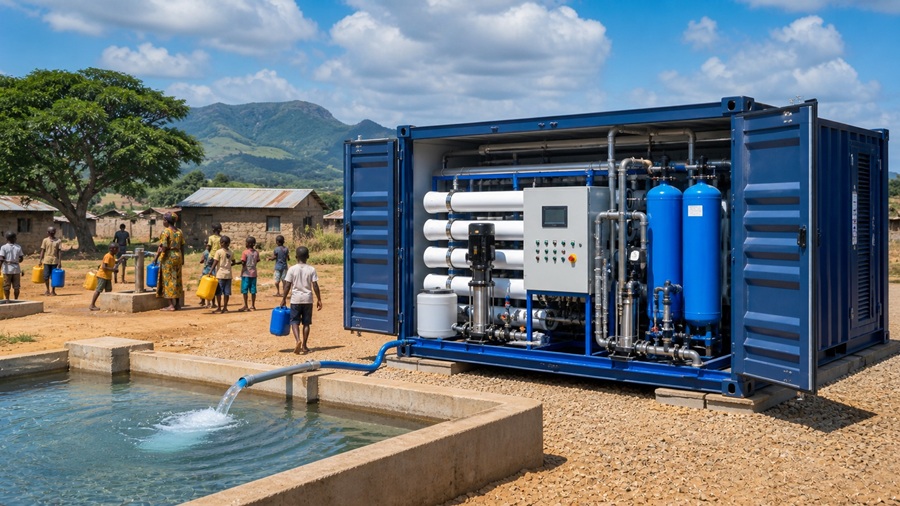
Across many parts of Africa, access to clean and reliable water remains one of the biggest infrastructure challenges facing communities, industries, and governments. While urban populations continue to grow rapidly, water infrastructure development has not always expanded at the same pace. Consequently, many regions still struggle with limited treatment capacity, unreliable supply networks, and inadequate access to safe water.
At the same time, industrial expansion across mining, construction, oil & gas, and manufacturing sectors is increasing pressure on existing water resources. Remote project locations often operate far from centralized infrastructure, making a dependable water supply even more difficult.
Traditionally, large centralized treatment plants were considered the primary solution for water management. However, in many African regions, these systems can be expensive to build, slow to deploy, and difficult to expand into remote areas.
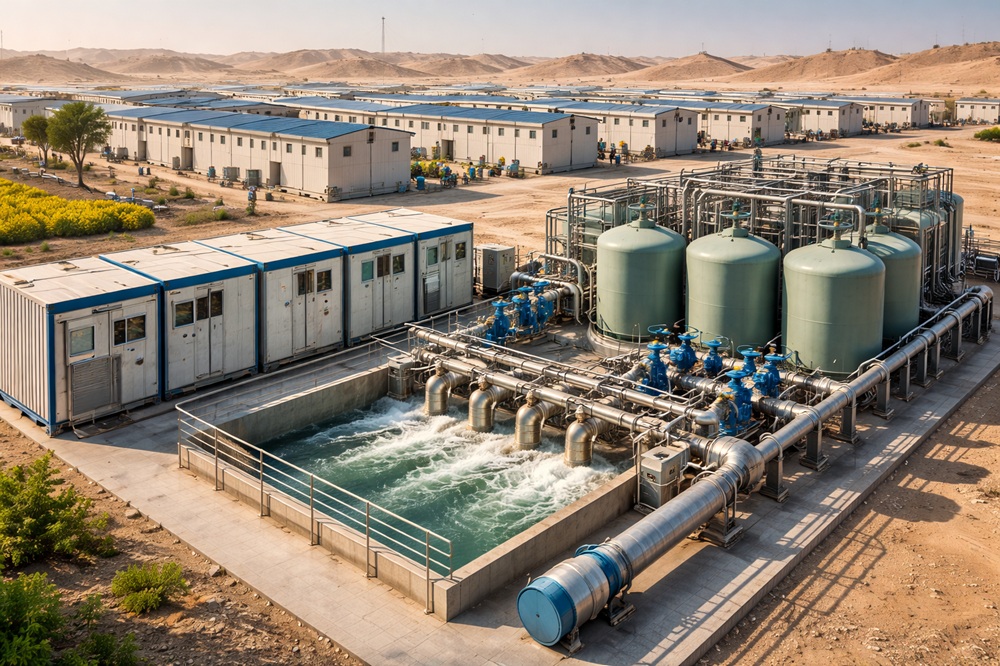
As a result, containerized water treatment Africa solutions are becoming an increasingly practical alternative. These modular systems provide faster deployment, operational flexibility, and scalable water treatment for both industrial and community applications.
More importantly, they are helping bridge the infrastructure gap in regions where traditional water systems cannot expand quickly enough.
In major cities, centralized water treatment facilities remain important. However, large portions of Africa’s population live outside fully developed urban infrastructure zones.
In many cases, communities and industrial projects face several major challenges:
Consequently, extending conventional infrastructure into remote regions often requires significant investment and long implementation timelines.
For mining projects, construction camps, and industrial operations, waiting years for permanent infrastructure is usually not practical. These projects need immediate and reliable water solutions that can operate independently.
This is where modular and containerized systems have started changing the industry.
Over the past few years, many African infrastructure projects have moved toward decentralized water treatment models.
Instead of building large fixed facilities, organizations are increasingly deploying smaller modular systems closer to the point of use.
This shift offers several operational advantages:
As a result, modular water treatment plants in Africa projects are becoming more common across mining operations, humanitarian projects, industrial facilities, and remote communities.
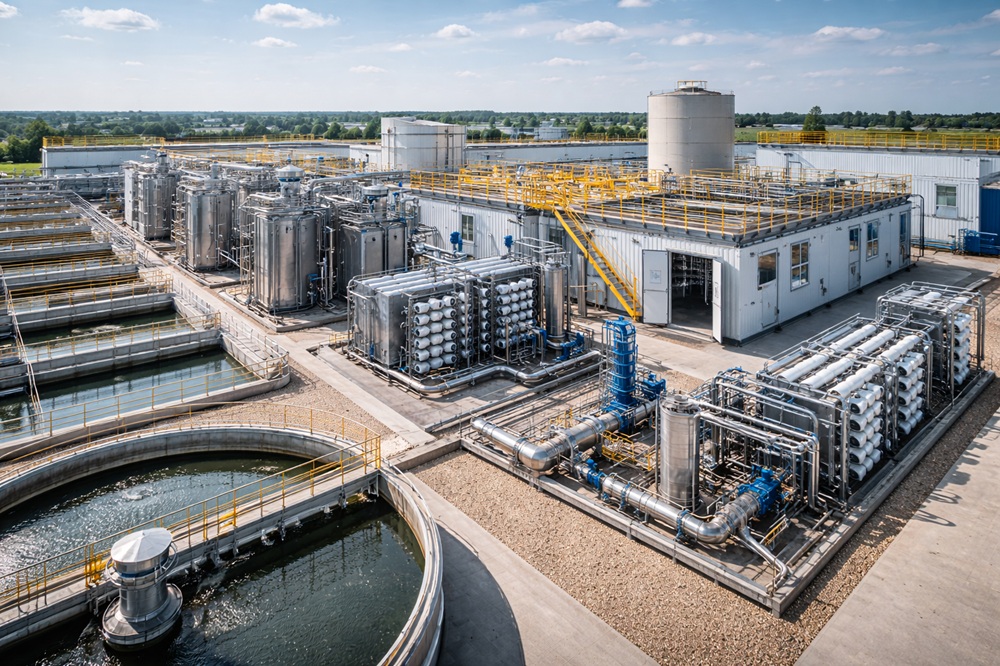
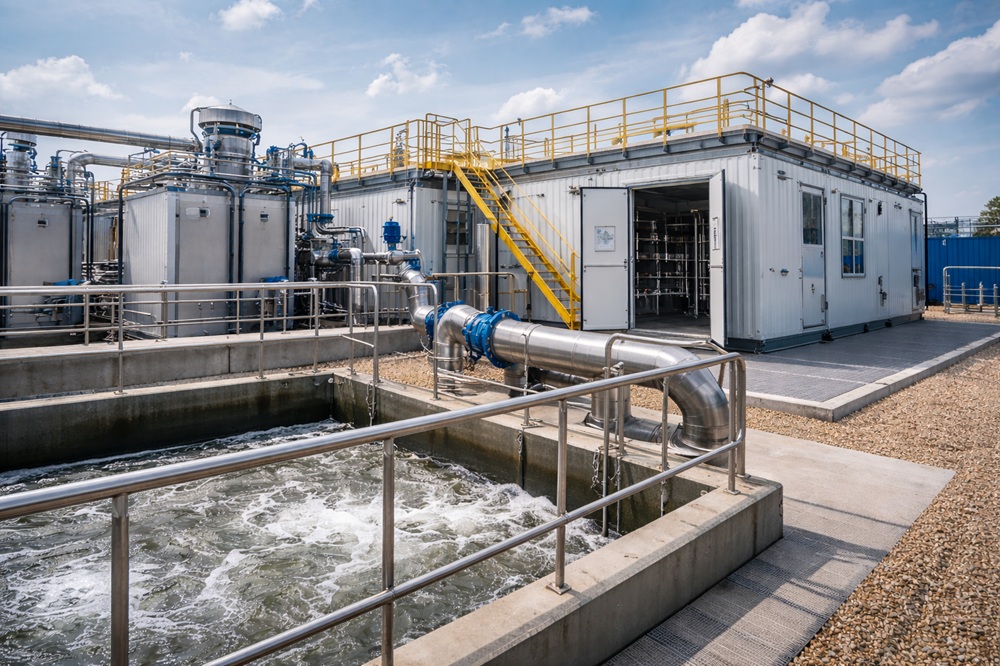
Unlike conventional treatment facilities, containerized systems are built inside transportable shipping containers or skid-mounted structures.
These units arrive pre-engineered and factory-tested. Consequently, installation on-site becomes significantly faster.
A typical containerized system may include:
Because all major components are integrated into a compact structure, these systems require minimal on-site construction work.
That flexibility becomes extremely valuable in remote African environments where logistics and infrastructure access can be challenging.
Mining continues to expand across several African countries, including regions with limited infrastructure development. However, mining operations require large volumes of water for both operational and workforce needs.
Many remote mining sites face challenges such as:
In some regions, transporting water daily over long distances creates major operational costs.
As a result, mining companies are increasingly adopting containerized treatment systems that can process:
Additionally, modular systems allow mining operators to relocate treatment infrastructure when project phases change.
That level of flexibility is difficult to achieve with traditional fixed treatment plants.
The impact of modular water treatment extends beyond industrial projects.
Many rural communities across Africa still rely on untreated water sources for drinking, cooking, and daily use. In some areas, centralized municipal infrastructure may take years to reach isolated populations.
Containerized treatment systems help address this gap by providing localized treatment solutions that can be deployed quickly.
For example, a modular system can often support:
Because these systems are scalable, communities can gradually expand capacity as population demand increases.
This makes decentralized treatment far more adaptable for regions experiencing rapid demographic growth.
In disaster relief and humanitarian response operations, speed is critical.
Floods, droughts, displacement crises, and refugee camps often require immediate access to safe water infrastructure. However, building permanent treatment facilities during emergencies is usually not realistic.
Containerized systems solve this problem because they can be:
As a result, humanitarian organizations increasingly rely on mobile treatment systems during emergency response projects across Africa.
These systems help improve:
Most importantly, they reduce dependence on temporary water trucking operations, which are often expensive and unreliable.
Many African regions face increasing groundwater salinity issues, particularly in coastal and arid areas.
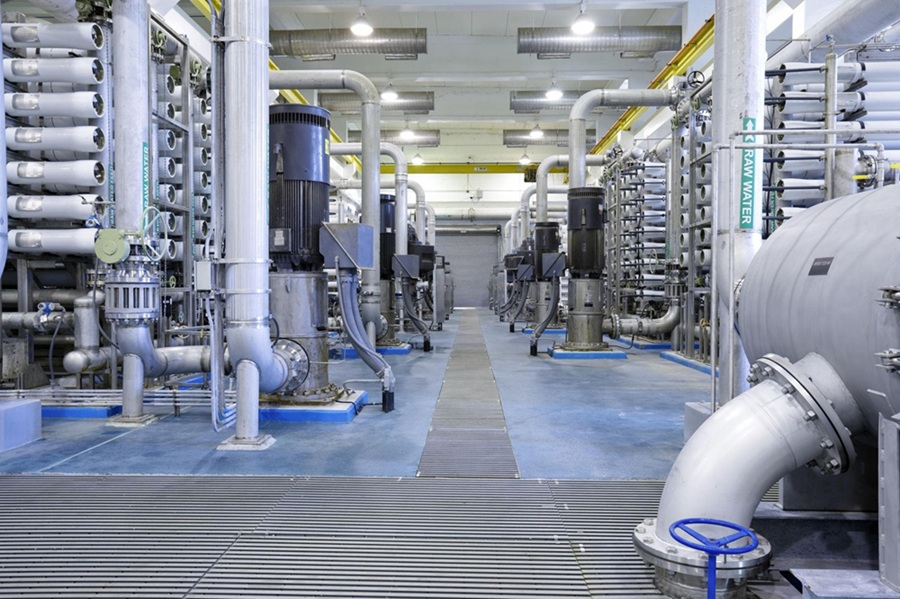
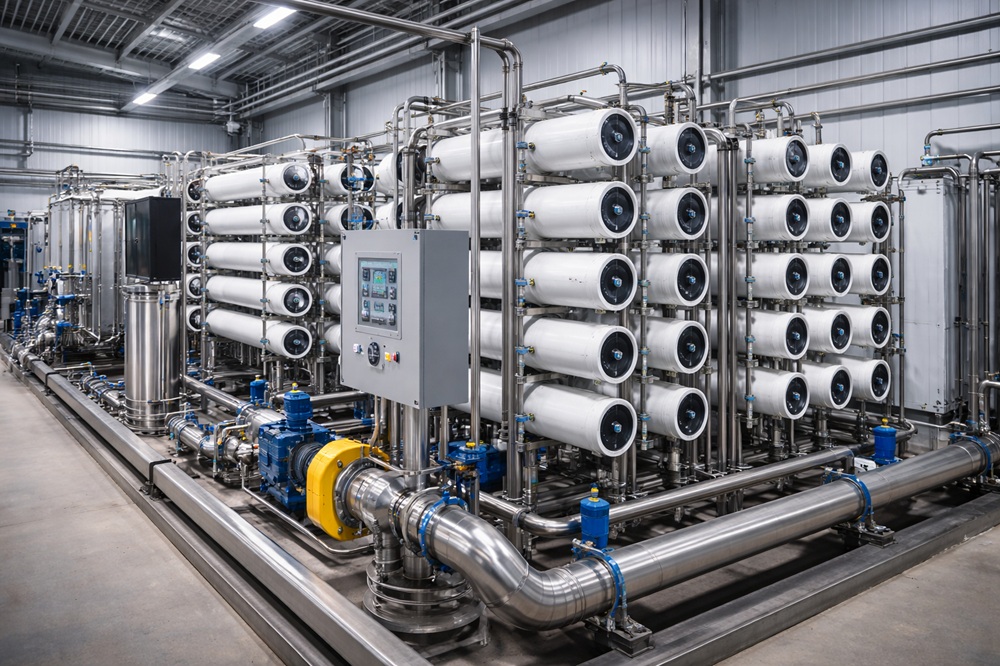
Consequently, reverse osmosis systems are becoming more important for both industrial and municipal water treatment applications.
Modern containerized RO plants Africa projects now support:
In coastal regions, desalination systems are helping supplement limited freshwater resources.
Meanwhile, inland industrial projects use RO systems to improve operational water quality and reduce equipment scaling issues.
👉 Explore advanced reverse osmosis RO plant solutions for industrial and infrastructure projects.
One of the biggest advantages of modular treatment systems is deployment speed.
Traditional treatment plants may require:
However, containerized systems arrive pre-assembled and pre-tested.
As a result, installation timelines are significantly shorter.
This is especially important for:
Additionally, modular systems can often scale gradually instead of requiring major upfront infrastructure investment.
That flexibility is becoming increasingly valuable across developing economies.
Across Africa, sustainability goals are pushing industries and governments toward more efficient water management strategies.
Water reuse, recycling, and decentralized treatment systems are becoming part of long-term infrastructure planning.
Containerized systems support sustainability because they help:
In industrial sectors, treated wastewater is increasingly reused for:
As water stress continues increasing, these systems will likely become even more important across the continent.
In many parts of Africa, infrastructure development cannot always keep pace with population growth, industrial expansion, and climate-related water stress. As a result, projects increasingly require systems that can adapt quickly to changing operational conditions.
For remote mining operations, growing municipalities, and infrastructure developers, waiting for large centralized treatment networks is often not realistic. Modular water treatment systems help bridge that gap by delivering faster deployment and greater operational flexibility.
More importantly, these systems allow organizations to expand treatment capacity gradually instead of committing to massive infrastructure investment upfront.
That flexibility may ultimately become one of the most important advantages shaping the future of water infrastructure development across Africa.
The growing adoption of containerized treatment plants reflects a broader shift happening across global infrastructure development. Instead of relying entirely on centralized facilities, many industries are now prioritizing decentralized, scalable, and rapidly deployable systems.
Across Africa, that shift is already changing how communities, industries, and governments approach water access challenges.
info@meftinternational.net May 19, 2026
info@meftinternational.net May 7, 2026
info@meftinternational.net April 28, 2026
info@meftinternational.net April 17, 2026
info@meftinternational.net March 24, 2026
info@meftinternational.net March 12, 2026
info@meftinternational.net February 26, 2026
info@meftinternational.net February 19, 2026