 info@meftinternational.net
  July 7, 2026
Saudi Arabia faces increasing pressure on its water resources due to rapid industrial growth, urban expansion, and limited natural freshwater availability. As a result, industries and infrastructure developers are actively adopting advanced treatment solutions to ensure a reliable and continuous water supply.
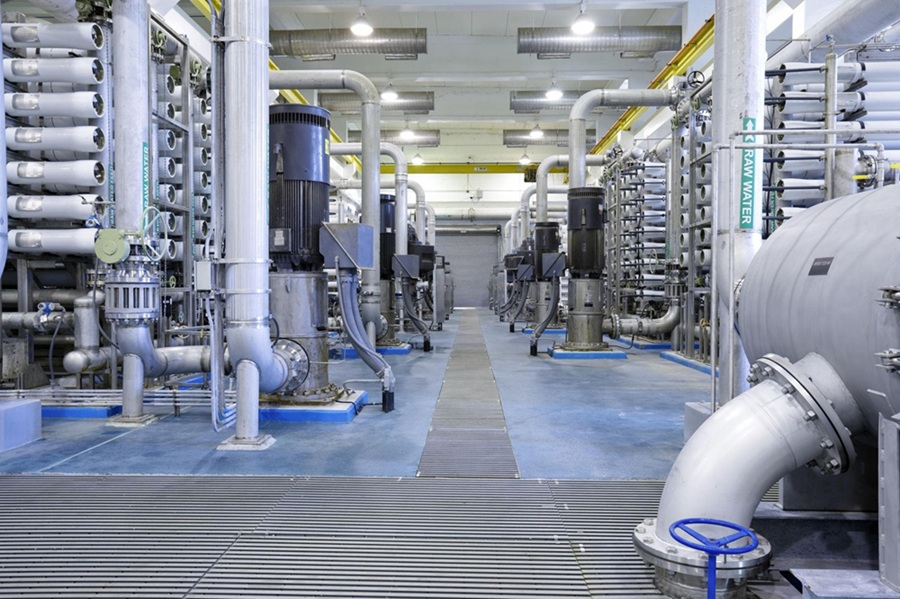
Among these solutions, RO plant installation in Saudi Arabia stands out as one of the most effective approaches, especially for industrial and commercial applications. Reverse osmosis systems remove salts, impurities, and contaminants from seawater and brackish sources, delivering high-quality treated water.
In this guide, we will walk you through the complete installation process, along with key considerations, challenges, and expert recommendations to help you execute your project successfully.
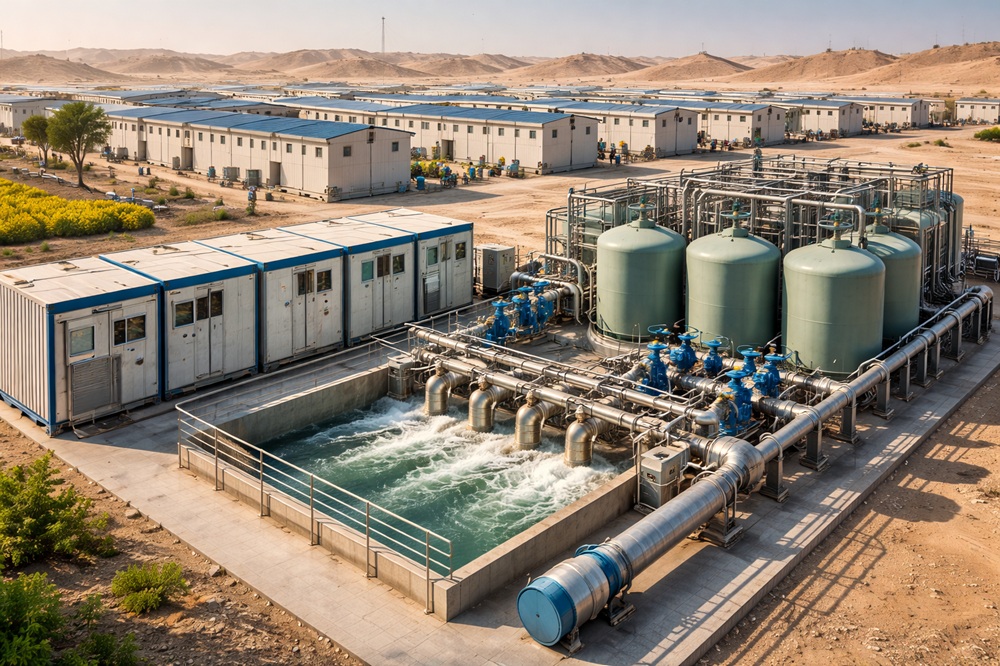
To begin with, RO plant installation in Saudi Arabia involves designing, supplying, installing, and commissioning a reverse osmosis system tailored to local water conditions.
These systems are widely used across:
Moreover, modern RO water treatment plants are specifically engineered to handle high salinity levels and extreme temperatures. Therefore, they perform reliably even in harsh Saudi environments.
Firstly, Saudi Arabia depends heavily on seawater and brackish groundwater. However, these sources contain high levels of dissolved salts, which makes untreated water unsuitable for industrial or potable use.
At the same time, industries such as oil & gas, manufacturing, and construction require large volumes of treated water. Consequently, industrial RO plants play a critical role in ensuring uninterrupted operations.
In addition, regulatory authorities are increasingly promoting water reuse and sustainable practices. As a result, RO systems help organizations meet compliance standards while reducing environmental impact.
Installing an RO plant requires a structured and carefully planned approach. Therefore, each stage must be executed with precision to ensure long-term efficiency.
First, engineers conduct a detailed analysis of the raw water source. This includes evaluating:
Meanwhile, they also assess site conditions such as available space, ambient temperature, and power supply. This step ensures that the system design matches real-world conditions.
Next, engineers design the system based on:
At this stage, working with specialists in reverse osmosis water treatment plants ensures optimal performance. Additionally, proper planning helps avoid costly redesigns later.
After finalizing the design, the next step involves selecting the right components. This is crucial because system performance depends heavily on equipment quality.
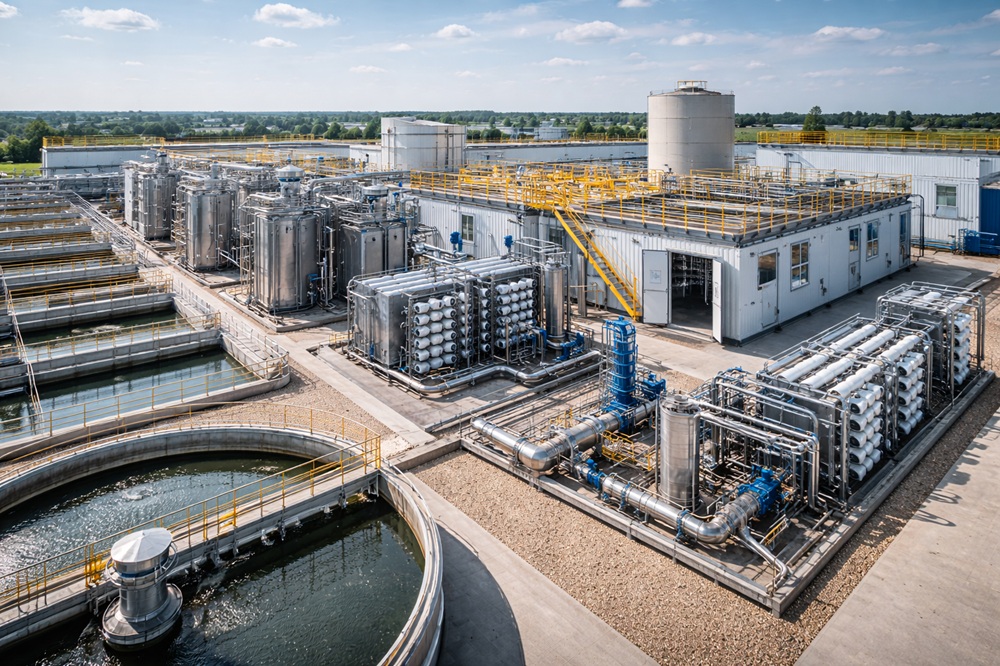
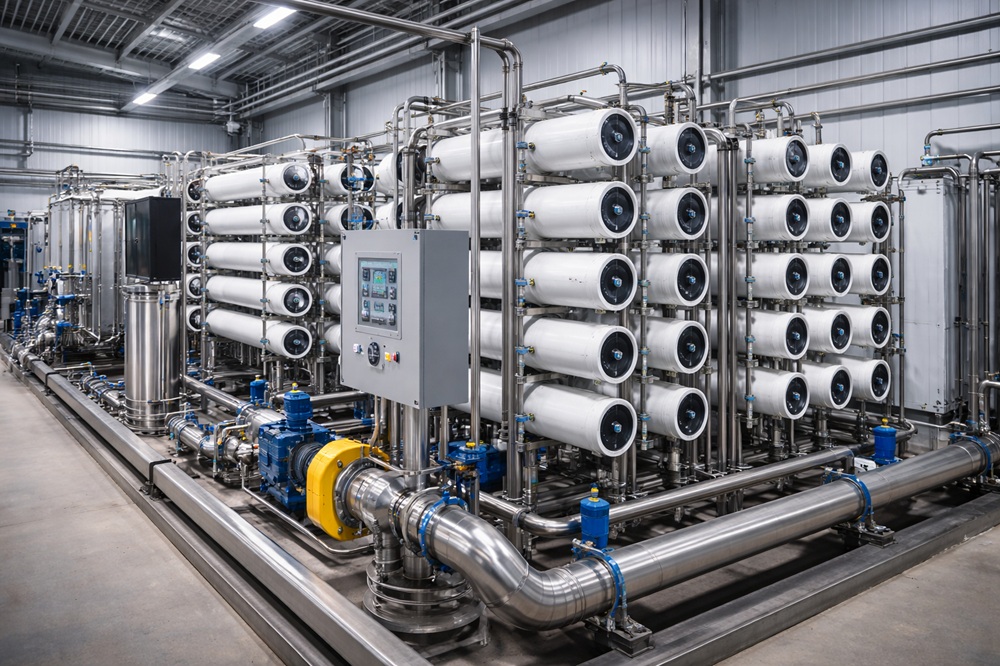
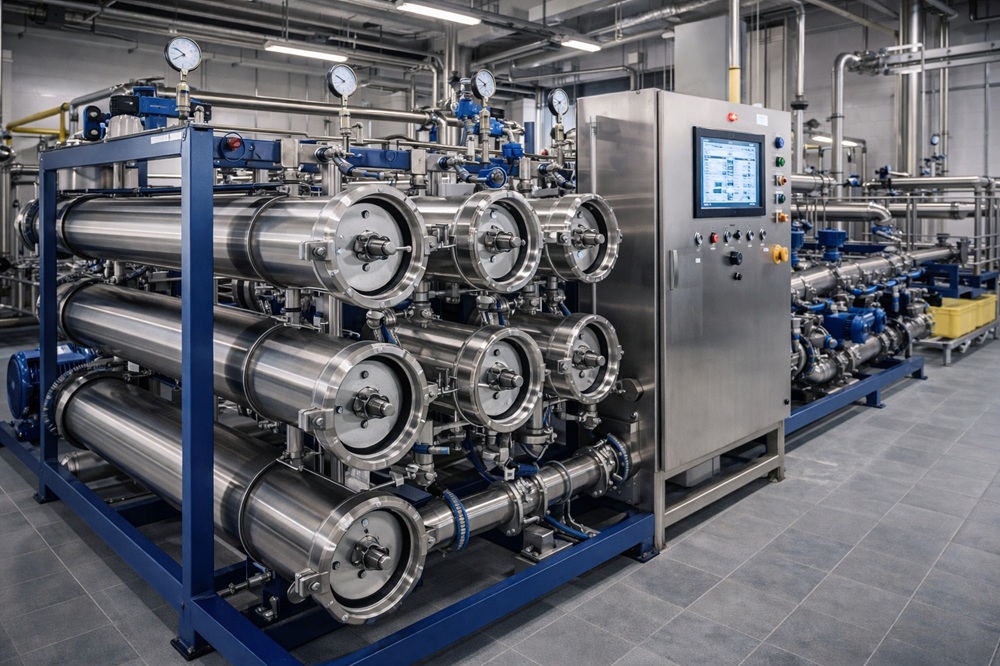
Key components include:
👉 You can explore advanced reverse osmosis water treatment plants here:
https://www.meftinternational.net/project/containerized-ro-plant-10-m3-hr/
Before installation begins, civil works must be completed. Typically, this includes:
Proper preparation at this stage significantly reduces operational issues later.
Once civil work is complete, the system components are installed. This includes:
At this point, precision becomes critical. Therefore, experienced technicians are essential to ensure proper installation.
Modern RO systems rely heavily on automation. Therefore, engineers:
As a result, operators can monitor system performance in real time and respond quickly to any issues.
After installation, the system undergoes a series of tests. These include:
Only after successful testing does the system move to full operation.
Finally, the plant is handed over to the client. At this stage, teams provide:
This ensures smooth and efficient long-term operation.
To start with, accurate water analysis is essential. Without it, system performance may suffer.
Since Saudi Arabia experiences extreme heat, selecting heat-resistant equipment becomes critical.
Energy consumption significantly impacts operational costs. Therefore, modern systems often include:
Finally, all systems must meet Saudi environmental and discharge regulations. This ensures both compliance and sustainability.
Mineral buildup can reduce efficiency. However, proper pre-treatment and chemical dosing can effectively prevent this issue.
Although RO systems consume energy, using efficient pumps and recovery systems can significantly reduce costs.
In many cases, improper design leads to long-term issues. Therefore, choosing an experienced contractor is essential.
The cost of RO plant installation in Saudi Arabia depends on several factors. These include:
While costs may vary, investing in a well-designed system ensures better performance and long-term savings.
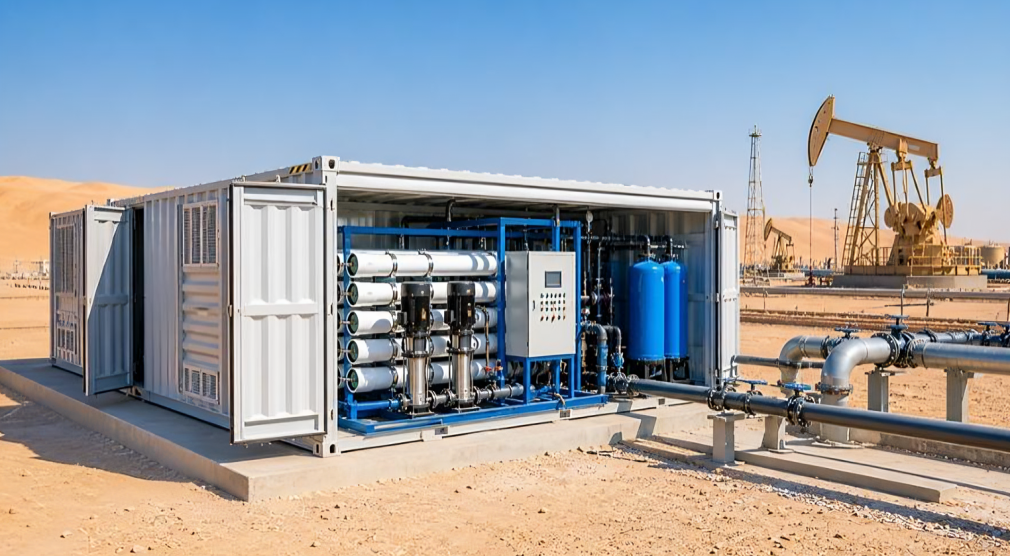
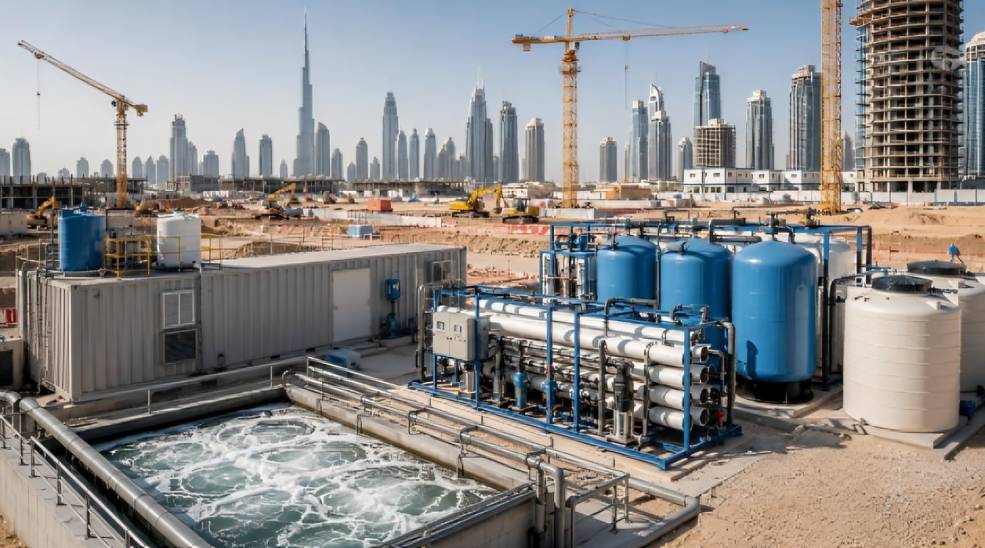
Containerized RO plants are pre-built systems installed inside containers. As a result, they can be deployed quickly.
Selecting the right partner is critical for project success.
Firstly, choose providers who understand local conditions and regulations.
Secondly, ensure they offer strong engineering expertise for customized solutions.
Finally, reliable maintenance and support services are essential for long-term success.
👉 Explore complete water and wastewater treatment services here:
https://www.meftinternational.net/services/water-waste-water-treatment/
Typically, it ranges from a few weeks to several months, depending on project size.
Both seawater and brackish RO systems are used, depending on the water source.
With proper maintenance, most systems last between 10–15 years.
In conclusion, RO plant installation in Saudi Arabia has become a vital solution for industries facing water challenges. These systems provide reliable, scalable, and efficient treatment even in harsh conditions.
By working with experienced professionals and selecting the right system design, businesses can ensure sustainable operations and long-term success.
info@meftinternational.net July 7, 2026
info@meftinternational.net June 24, 2026
info@meftinternational.net May 7, 2026
info@meftinternational.net April 17, 2026
info@meftinternational.net March 24, 2026
info@meftinternational.net March 12, 2026
info@meftinternational.net February 26, 2026
info@meftinternational.net February 19, 2026 Our focus is on delivering superior value to our clients for company modification.