 info@meftinternational.net
  July 7, 2026
Water scarcity is one of the most pressing challenges across the Middle East. Countries like the United Arab Emirates and Saudi Arabia rely heavily on desalination, groundwater treatment, and advanced purification systems to meet growing residential and industrial demand.
High salinity levels, brackish groundwater, and increasing infrastructure development make water treatment a strategic necessity. Among the most reliable solutions available today is the reverse osmosis RO plant.
This article explains how reverse osmosis works, its key components, regional importance, design considerations, and why RO systems have become essential across the GCC.
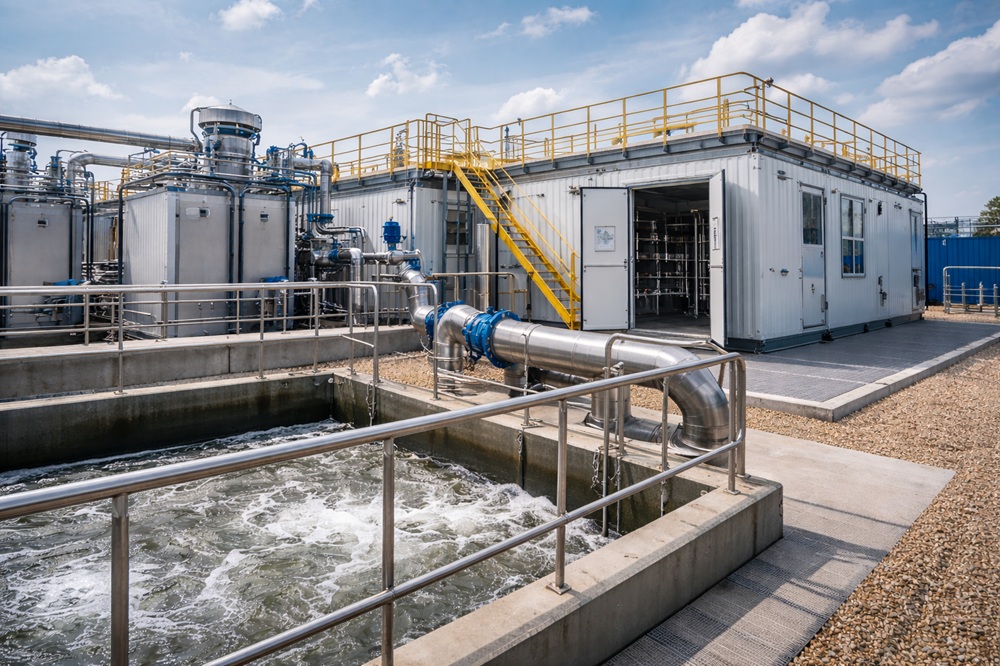
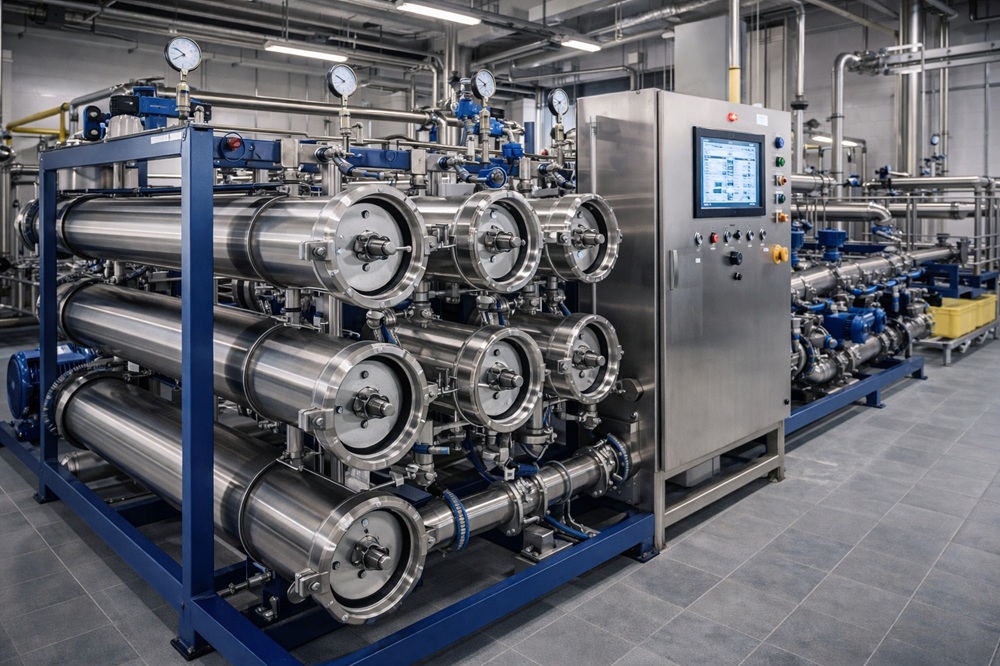
A reverse osmosis RO plant is a water purification system that removes dissolved salts, minerals, and contaminants using a semi-permeable membrane.
A reverse osmosis system forces water through a specialized membrane under pressure. The membrane allows clean water to pass while rejecting dissolved salts, bacteria, and other impurities.
Unlike basic filtration systems, reverse osmosis removes microscopic contaminants, including total dissolved solids (TDS), making it suitable for both potable and industrial applications.
A properly designed RO system operates in multiple stages to ensure efficient purification.
Before water reaches the membrane, it undergoes pre-treatment. This stage protects the membrane from fouling and scaling.
Pre-treatment may include:
Effective pre-treatment significantly increases membrane lifespan.
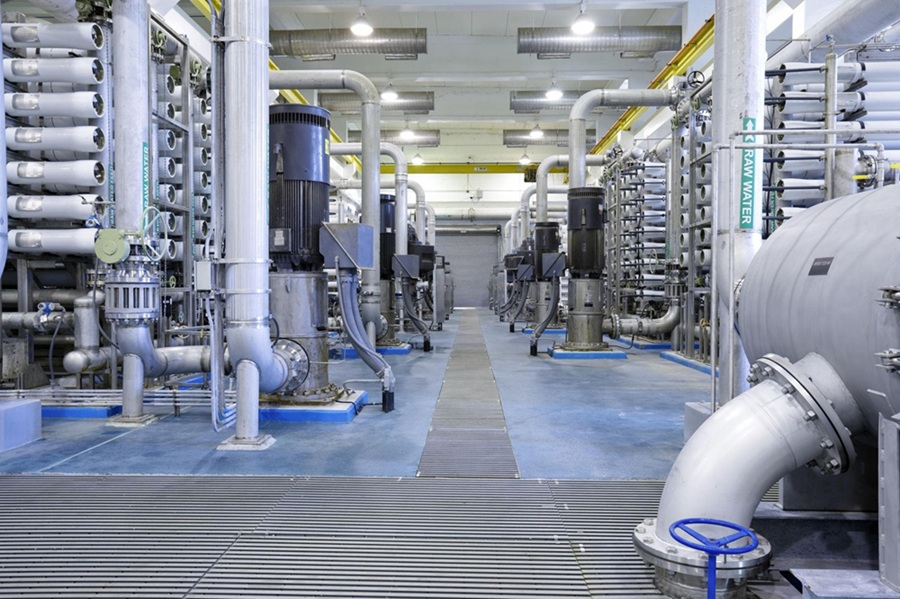
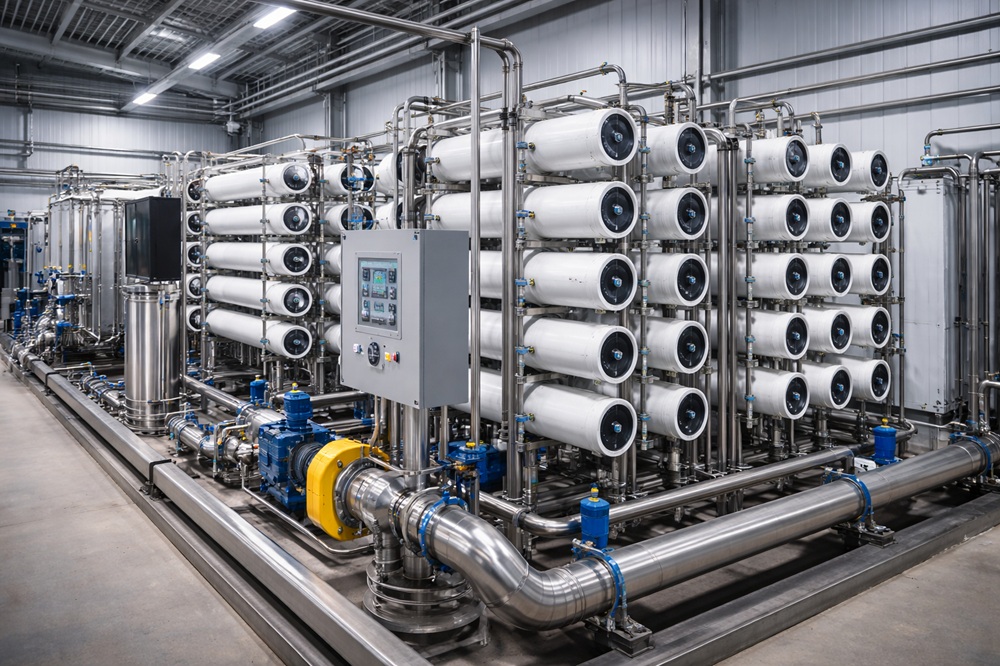
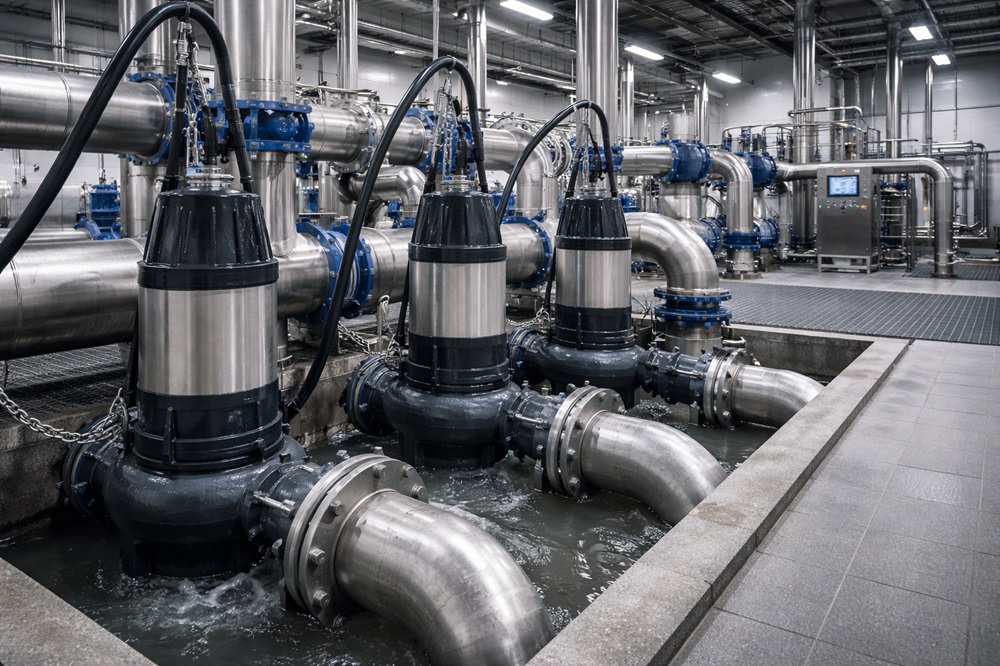
The high-pressure pump is the heart of the RO plant. It forces feedwater through the membrane at controlled pressure levels.
The semi-permeable membrane allows purified water (permeate) to pass through while rejecting concentrated salts and impurities (reject stream).
The level of salt removal depends on the membrane type and operating pressure.
After separation, treated water may undergo:
Finally, the water is stored and distributed for use.
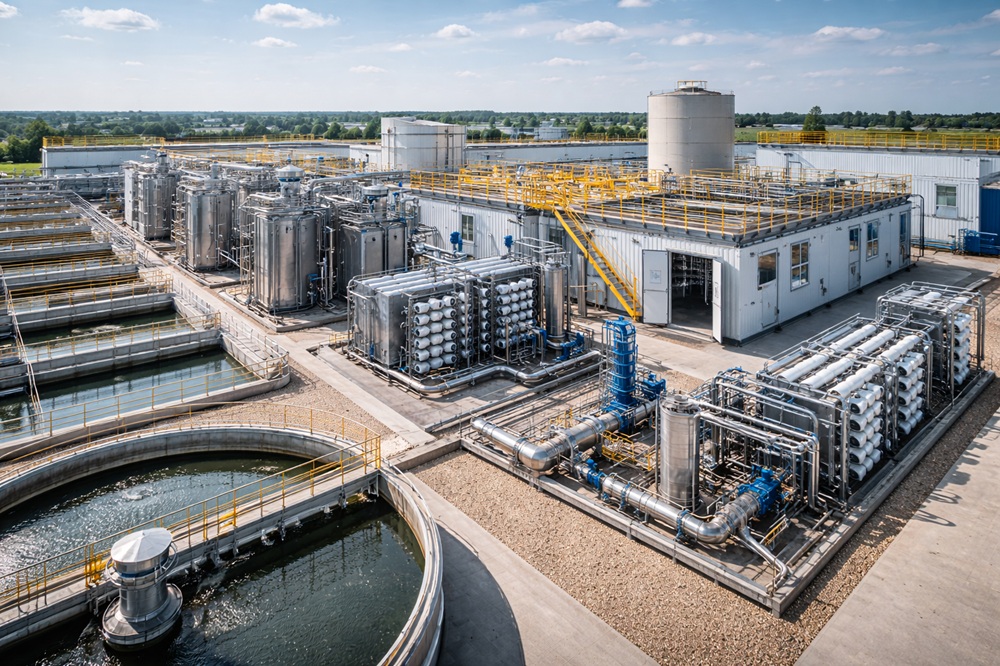
A modern RO water treatment plant consists of several integrated components.
Each component must be engineered to meet the feedwater quality and required output.
Reverse osmosis has become critical in the Middle East for several reasons.
Many areas in the UAE and Saudi Arabia rely on groundwater with high salinity levels. RO systems effectively reduce TDS, making water suitable for industrial and commercial use.
Large-scale desalination plants across the GCC use advanced RO technology to convert seawater into potable water. This supports national water security strategies.
Industries such as manufacturing, oil and gas, power generation, and hospitality require high-quality water for operations. Reverse osmosis ensures consistent water quality for:
RO systems help reduce dependence on freshwater sources. Treated water can be reused for industrial processes and non-potable applications, supporting sustainability goals across the region.
RO systems are widely used across multiple sectors in the Middle East.
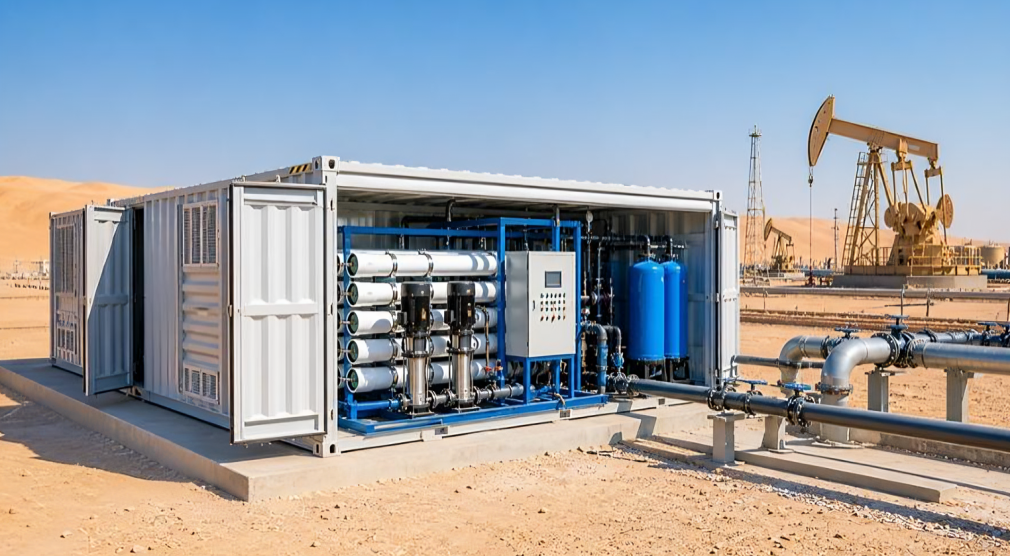
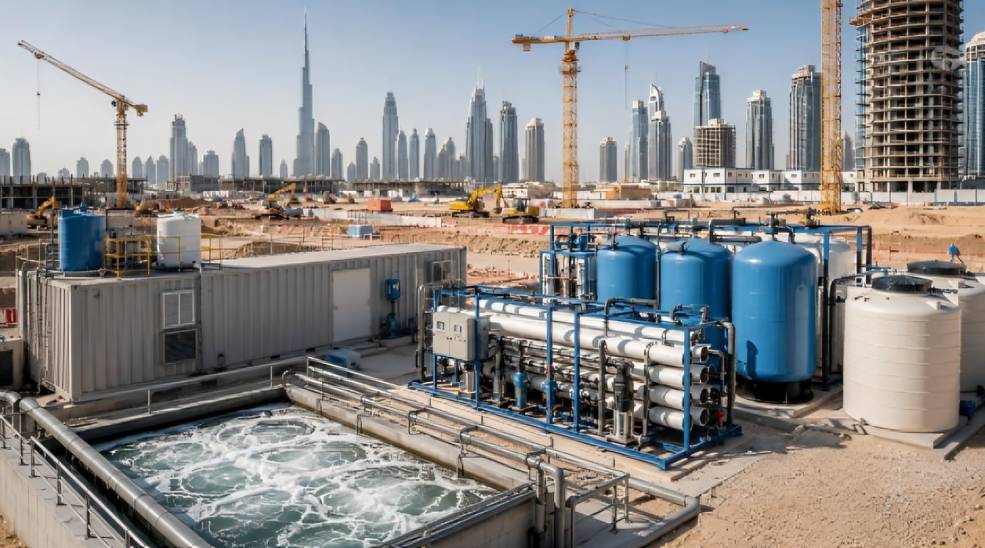
For projects requiring mobility and rapid deployment, a containerized reverse osmosis plant offers significant advantages in terms of installation speed and space optimization.
RO systems can be delivered in two main formats.
Containerized systems are factory-assembled inside shipping containers. They are ideal for:
These systems offer faster commissioning and easier relocation.
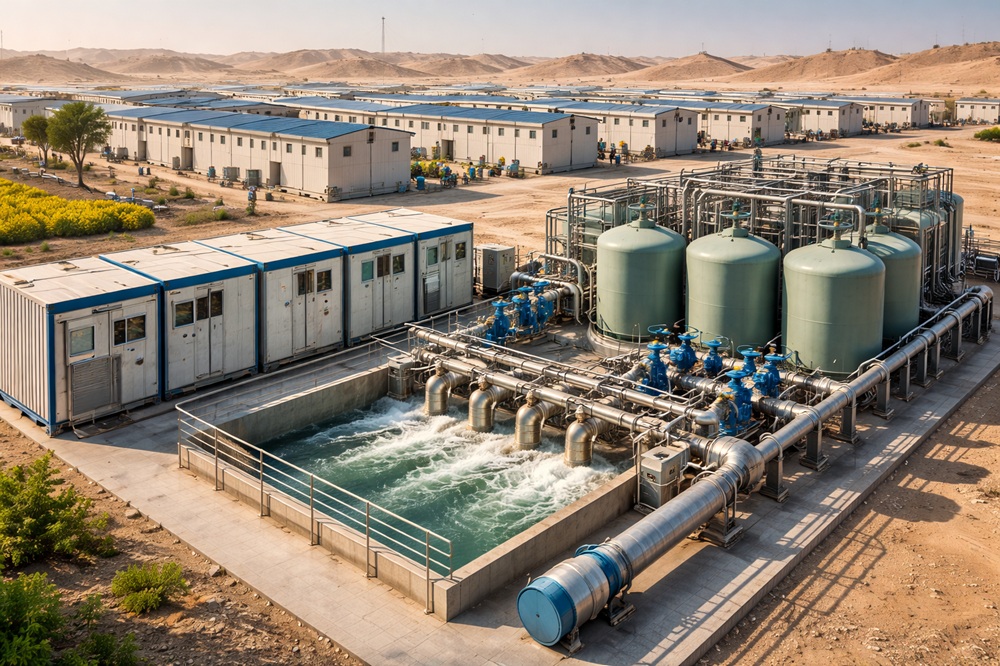
Civil-based installations are constructed on-site and are better suited to very large-capacity and permanent infrastructure projects.
The selection depends on project scale, timeline, and future expansion requirements.
RO plant capacity is typically measured in cubic meters per hour (m³/hr) or per day (m³/day).
Engineers calculate daily water demand, peak usage, and recovery rate to determine required capacity.
Membranes differ depending on feedwater type:
Choosing the correct membrane ensures optimal rejection rate and energy efficiency.
Energy use depends on:
Energy-efficient design significantly reduces operating costs over time.
While reverse osmosis is highly effective, certain challenges must be managed carefully.
Caused by suspended solids and organic matter.
Occurs due to mineral buildup on membrane surfaces.
Microbial growth reduces performance.
Poor system design increases operating cost.
Preventive maintenance and proper pre-treatment reduce these risks significantly.
Routine monitoring ensures long-term system performance.
Best practices include:
A well-maintained RO water treatment plant delivers consistent output and longer membrane life.
Selecting the right engineering partner is critical.
Consider:
A provider with regional expertise ensures system reliability and regulatory compliance.
It removes dissolved salts, minerals, heavy metals, and many contaminants from water.
Yes. Specialized seawater membranes are designed for high-salinity applications.
With proper maintenance, membranes can last several years depending on water quality and operating conditions.
Recovery rate varies by design but typically ranges between 50% and 85%, depending on feedwater characteristics.
A properly engineered reverse osmosis RO plant plays a crucial role in supporting water security and industrial growth across the UAE and Saudi Arabia.
As infrastructure expands and sustainability becomes a priority, advanced RO systems will remain a cornerstone of water management strategies in the Middle East.
When designed, installed, and maintained correctly, these systems deliver reliable performance, regulatory compliance, and long-term operational value.
info@meftinternational.net July 7, 2026
info@meftinternational.net June 24, 2026
info@meftinternational.net May 7, 2026
info@meftinternational.net April 28, 2026
info@meftinternational.net April 17, 2026
info@meftinternational.net March 24, 2026
info@meftinternational.net March 12, 2026
info@meftinternational.net February 26, 2026 Our focus is on delivering superior value to our clients for company modification.