Water is a critical resource in the UAE, and managing it responsibly is no longer optional for businesses. With increasing environmental regulations, inspections, and sustainability targets, wastewater treatment compliance has become a key operational responsibility across industries.
Many businesses assume wastewater compliance only applies to heavy industries or large factories. In reality, hotels, commercial buildings, healthcare facilities, labor accommodations, and even small industrial units are all subject to wastewater treatment regulations.
This guide explains, in simple terms, what businesses must know about wastewater treatment compliance, why it matters, and how working with experienced wastewater treatment companies in Dubai helps reduce risk and ensure long-term operational stability.
Why Wastewater Treatment Compliance Matters
Wastewater compliance is about more than meeting legal requirements. It protects public health, safeguards the environment, and supports the UAE’s long-term water sustainability goals.
Poorly treated wastewater can contaminate soil, groundwater, and marine ecosystems. For businesses, non-compliance can result in:
- Financial penalties and fines
- Project approval delays
- Operational shutdowns
- Reputational damage
- Increased long-term costs
As regulations continue to tighten, wastewater treatment compliance is now a core business responsibility rather than a secondary technical issue.
Understanding Wastewater Treatment in Simple Terms
Before discussing compliance, it helps to understand what wastewater treatment actually means.
Wastewater treatment is the process of removing contaminants from used water so it can be safely discharged or reused. Depending on the business and location, treated water may be:
- Discharged into municipal sewer systems
- Reused for irrigation or cooling (TSE – Treated Sewage Effluent)
- Further polished for specific industrial applications
The treatment process typically includes physical, biological, and sometimes chemical steps to ensure the water meets required quality standards.
Who Regulates Wastewater Treatment in the UAE?
Wastewater treatment regulations in the UAE are governed by multiple authorities, depending on the emirate and type of development.
Key regulatory bodies include:
- Municipal authorities (such as Dubai Municipality)
- Environmental and energy departments
- Industrial zone and free zone authorities
Each authority sets limits on what can be discharged, reused, or released into sewer systems. These limits often specify acceptable levels for parameters such as suspended solids, organic matter, oil, and grease.
Because regulations can vary by emirate and zone, many businesses rely on waste water treatment companies in Dubai that are familiar with local approval processes and compliance standards.
Which Businesses Are Most Affected by Wastewater Regulations?
While wastewater treatment compliance applies broadly, certain sectors face stricter monitoring due to higher volumes or complex effluent characteristics.
Commonly regulated sectors include:
- Manufacturing and industrial facilities
- Hotels and hospitality properties
- Commercial buildings and shopping centers
- Healthcare facilities and laboratories
- Labor accommodations and camps
- Food processing and commercial kitchens
Each sector produces different types of wastewater, which means treatment systems must be designed accordingly.
Common Wastewater Compliance Challenges for Businesses
Many compliance issues arise not from negligence, but from lack of awareness or poor system planning.
Typical challenges include:
- Outdated treatment systems
Older systems may no longer meet current discharge standards.
- Incorrect system sizing
Under-designed systems struggle during peak loads, leading to non-compliance.
- Limited monitoring and testing
Without routine testing, performance issues go unnoticed until inspections.
- Generic solutions
Off-the-shelf systems may not suit UAE water conditions or regulatory requirements.
- Poor maintenance practices
Even well-designed systems can fail without proper upkeep.
These challenges highlight why wastewater compliance should be addressed proactively rather than reactively.
The Role of Waste Water Treatment Companies in Dubai
Navigating wastewater regulations can be complex, especially for businesses without in-house environmental expertise. This is where professional waste water treatment companies in Dubai play a critical role.
Their responsibilities typically include:
- Assessing site conditions and wastewater characteristics
- Designing systems that meet regulatory discharge limits
- Selecting appropriate treatment technologies
- Coordinating with authorities during approvals
- Commissioning systems and validating performance
- Supporting long-term operation and maintenance
An experienced treatment partner understands not only the technical requirements, but also how local regulations are applied in practice.
Choosing the Right Wastewater Treatment Technology
Compliance depends heavily on selecting the right treatment technology for the specific application.
Common wastewater treatment solutions include:
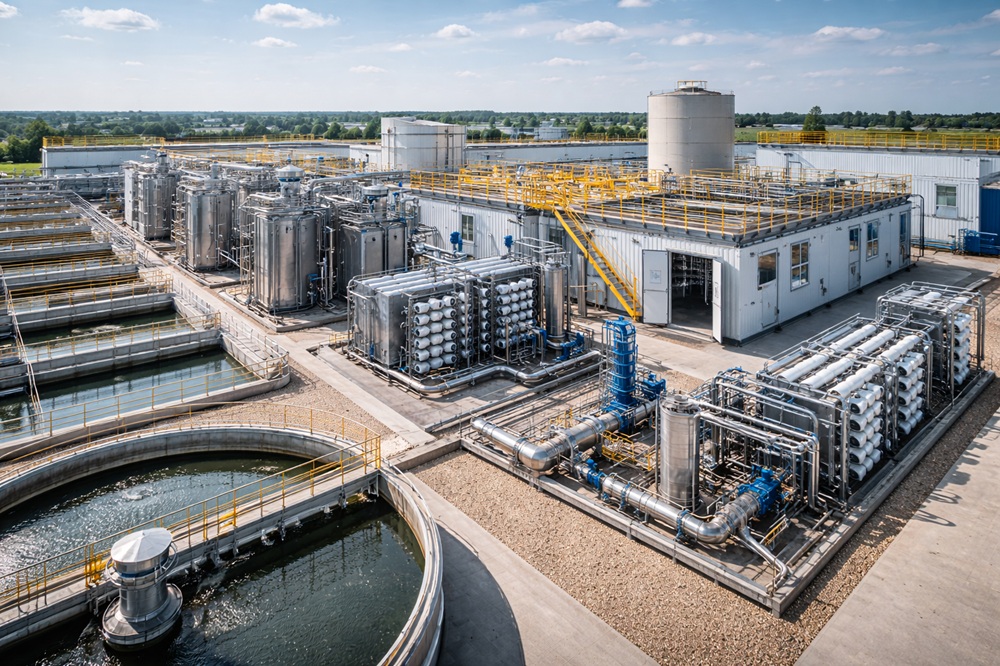
- On-site sewage treatment plants (STP)
Suitable for commercial buildings, accommodations, and communities.
- Biological treatment systems
Used for breaking down organic matter efficiently.
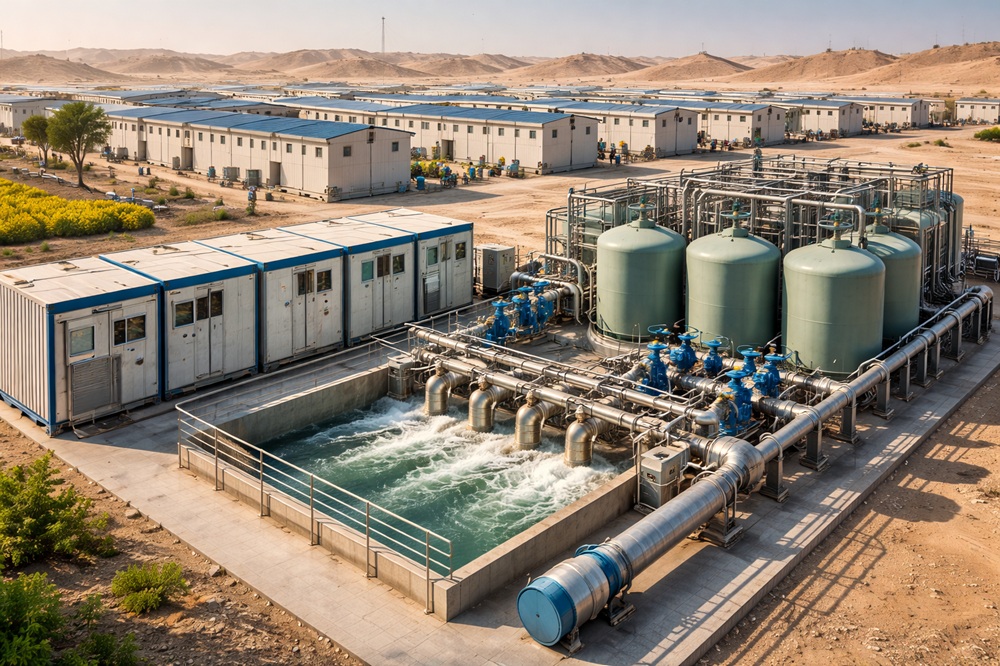
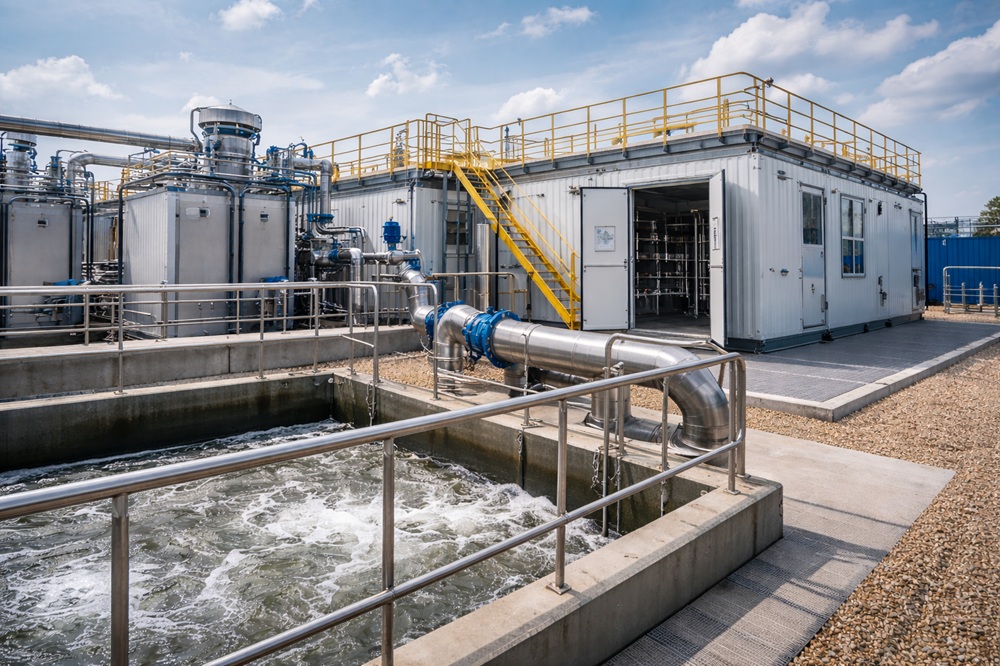
- Containerized treatment systems
Ideal for space-constrained or fast-track projects.
- Polishing systems for reuse
Applied when treated water is reused for irrigation or cooling.
No single system works for every business. Proper design ensures the treated water consistently meets compliance standards under real operating conditions.
Wastewater Discharge vs Reuse: What Businesses Should Know
One important compliance distinction is whether treated wastewater is discharged or reused.
Discharge to sewer:
- Must meet municipal discharge limits
- Often requires regular sampling and reporting
Reuse (TSE):
- Requires higher treatment quality
- Must meet additional safety and environmental standards
- Commonly used for landscaping, flushing, or cooling
Reuse supports sustainability goals but demands stricter monitoring and system reliability.
Documentation, Testing, and Ongoing Compliance
Wastewater compliance is not a one-time approval—it is an ongoing process.
Key compliance activities include:
- Routine sampling and laboratory testing
- Performance reporting
- Preventive maintenance schedules
- Periodic system audits
- Operator training
Failure to maintain proper documentation or testing records can lead to compliance issues, even if the treatment system itself is functioning correctly.
Best Practices for Staying Compliant Long-Term
Businesses that successfully maintain wastewater compliance typically follow a few consistent best practices.
Recommended steps:
- Engage experienced wastewater treatment professionals early
- Invest in system design rather than short-term cost savings
- Schedule routine performance audits
- Maintain clear maintenance and testing records
- Plan for future capacity and regulatory changes
By treating wastewater compliance as part of operational planning, businesses avoid costly disruptions later.
Frequently Asked Questions
Do all businesses in Dubai need wastewater treatment systems?
Not all businesses require on-site treatment, but any operation generating wastewater must comply with discharge regulations. Requirements depend on volume, wastewater type, and location.
How often should treated wastewater be tested?
Testing frequency depends on regulatory requirements, system size, and reuse type. Regular testing is essential to demonstrate compliance.
What happens if a business fails wastewater compliance?
Non-compliance can lead to fines, notices, operational restrictions, or even suspension until corrective actions are completed.
Can treated wastewater be reused legally?
Yes, treated wastewater can be reused when it meets approved quality standards, particularly for irrigation and non-potable applications.
Final Thoughts
Wastewater treatment compliance is no longer a background technical issue—it is a critical business responsibility in the UAE. As regulations become stricter and sustainability expectations grow, businesses must take a structured and informed approach to managing wastewater.
By understanding regulatory requirements, choosing the right treatment technologies, and working with experienced waste water treatment companies in Dubai, businesses can meet compliance standards while improving operational efficiency and environmental performance.
A proactive approach to wastewater treatment protects your business, supports sustainability goals, and ensures long-term operational confidence in an increasingly regulated environment.
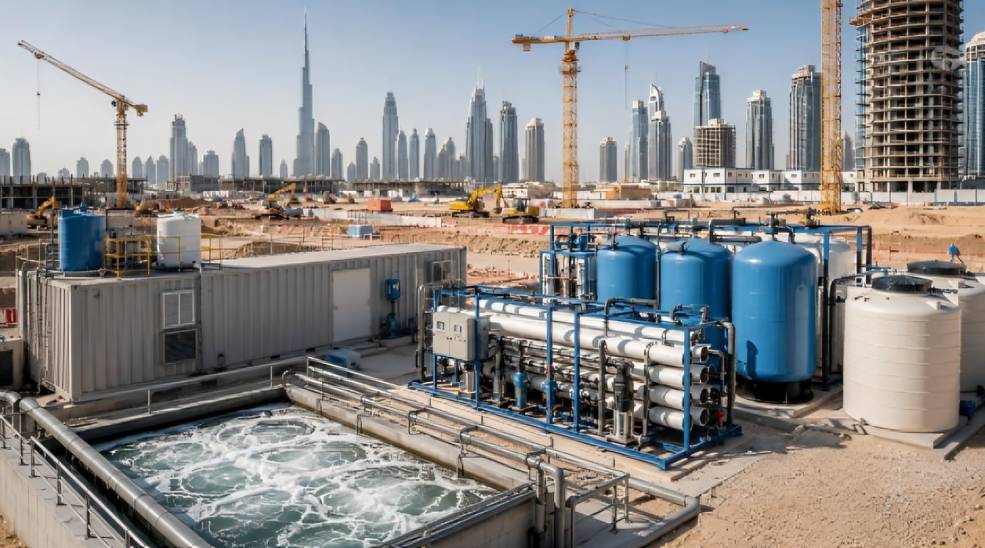
Water Treatment Requirements for Dubai Construction Projects: Complete Guide
Dubai continues to lead the Middle East in infrastructure development, with large-scale residential towers, commercial complexes, industrial facilities, and mega projects reshaping the city every year. However, as construction activity increases, the demand for efficient water management systems also rises rapidly. Construction sites generate significant amounts of wastewater from labour…

info@meftinternational.net

July 7, 2026
REad More
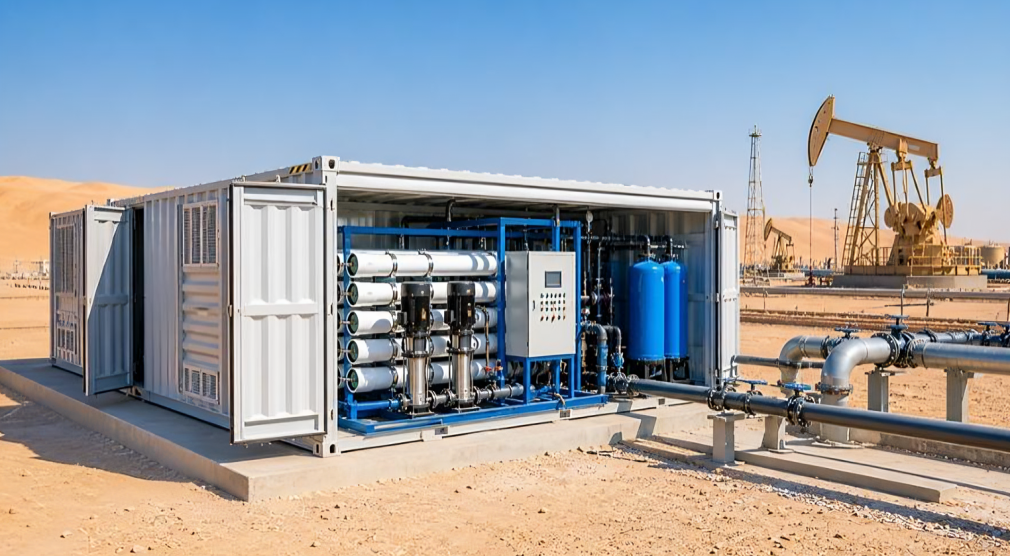
Containerized RO Plants for Remote Oil & Gas Projects in Saudi Arabia
Saudi Arabia continues to expand its oil & gas infrastructure through new drilling operations, industrial developments, pipeline networks, and remote energy projects. However, one of the biggest challenges facing these operations is access to reliable and clean water in remote desert environments. Many oilfield locations operate far from municipal infrastructure.…
info@meftinternational.net
June 24, 2026
REad More
STP Plants for Labour Camps in Saudi Arabia: Why Proper Wastewater Planning Matters More Than Ever
Saudi Arabia’s rapid infrastructure expansion has created a massive increase in temporary and semi-permanent labour camps across construction, oil & gas, industrial, and mega development projects. From remote desert construction zones to large-scale infrastructure corridors linked to Vision 2030 developments, worker accommodations are becoming larger, more operationally complex, and increasingly…
info@meftinternational.net
May 7, 2026
REad More
Industrial RO Plant Installation in Saudi Arabia: Step-by-Step Guide
Saudi Arabia faces increasing pressure on its water resources due to rapid industrial growth, urban expansion, and limited natural freshwater availability. As a result, industries and infrastructure developers are actively adopting advanced treatment solutions to ensure a reliable and continuous water supply. Among these solutions, RO plant installation in Saudi…
info@meftinternational.net
April 28, 2026
REad More
EPC Contractors for Water Treatment Plants: Scope, Responsibilities & Project Lifecycle
Water treatment infrastructure plays a critical role in modern cities, industrial zones, and growing urban developments. As water demand increases across the Middle East and globally, governments and private organizations are investing heavily in advanced treatment facilities. To manage these complex projects efficiently, many organizations rely on an EPC contractor…
info@meftinternational.net
April 17, 2026
REad More
What Is a Packaged Treatment Plant and When Should You Use One?
As the demand for efficient and space-saving water and wastewater treatment systems continues to rise, packaged treatment plants have emerged as an ideal solution for various sectors across the Middle East. Whether it’s residential, industrial, or commercial applications, these systems offer a reliable, compact, and scalable solution to wastewater treatment…
info@meftinternational.net
March 24, 2026
REad More
Best RO Filtration Systems for Commercial and Industrial Applications
In today’s industrial and commercial environments, access to clean, safe water is essential. Whether it’s for manufacturing, food processing, or even day-to-day operations, having a reliable water treatment system can significantly impact the efficiency and quality of your processes. Reverse osmosis (RO) filtration systems have become one of the most…
info@meftinternational.net
March 12, 2026
REad More
Sewage Lift Pumps in Industrial Facilities: Key Design and Operational Considerations
Industrial facilities, ranging from manufacturing plants to large-scale complexes, generate substantial amounts of wastewater that require effective and efficient management. For these facilities, maintaining a stable and reliable water flow is crucial, particularly when faced with challenges such as elevation changes and varying sewage volumes. This is where sewage lift…
info@meftinternational.net
February 26, 2026
REad More