 info@meftinternational.net
  March 12, 2026
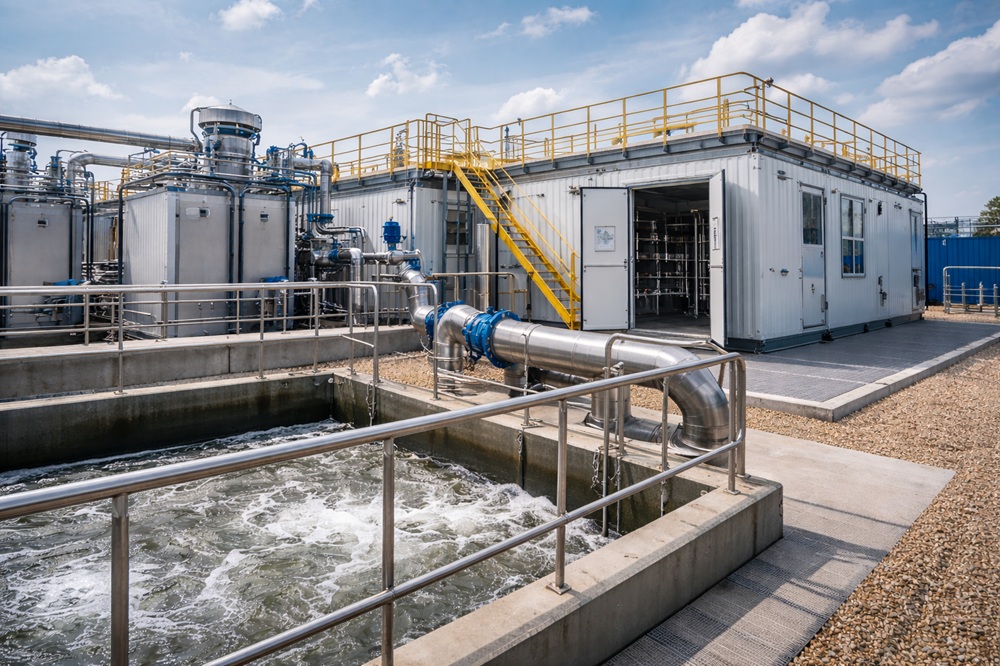
As the demand for efficient and space-saving water and wastewater treatment systems continues to rise, packaged treatment plants have emerged as an ideal solution for various sectors across the Middle East. Whether it’s residential, industrial, or commercial applications, these systems offer a reliable, compact, and scalable solution to wastewater treatment challenges.
In this article, we’ll explore what packaged treatment plants are, their benefits, and when you should consider using one for your project. Whether you manage a construction site, a high-rise building, or an industrial facility, this guide will help you understand how these systems can effectively meet your needs.
A packaged treatment plant is a pre-engineered, factory-assembled water or wastewater treatment solution. These systems come in a compact form, allowing them to be delivered, installed, and operated with minimal disruption to existing infrastructures.
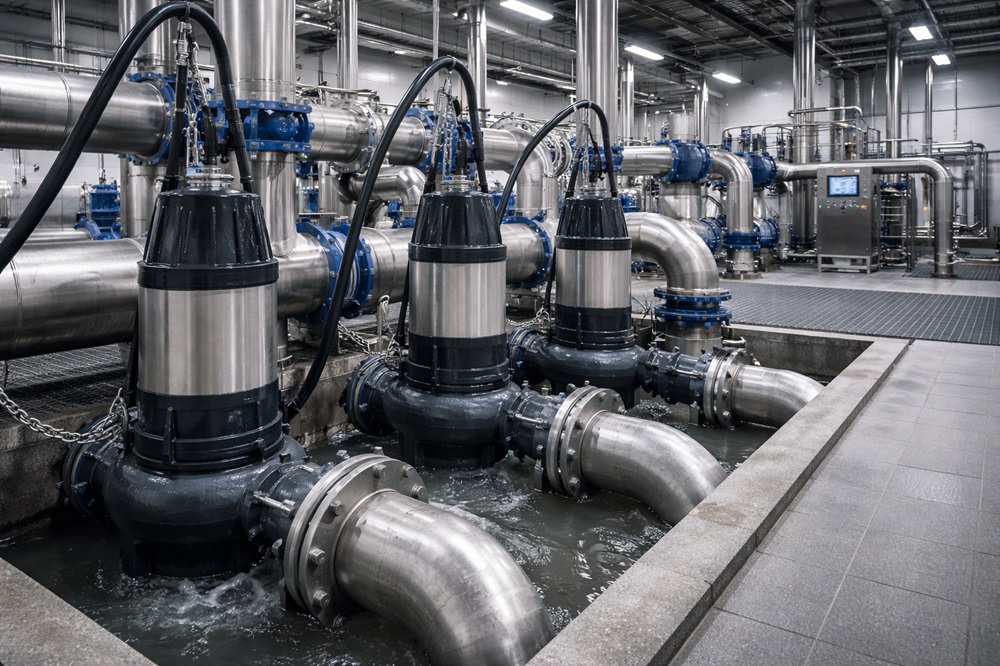
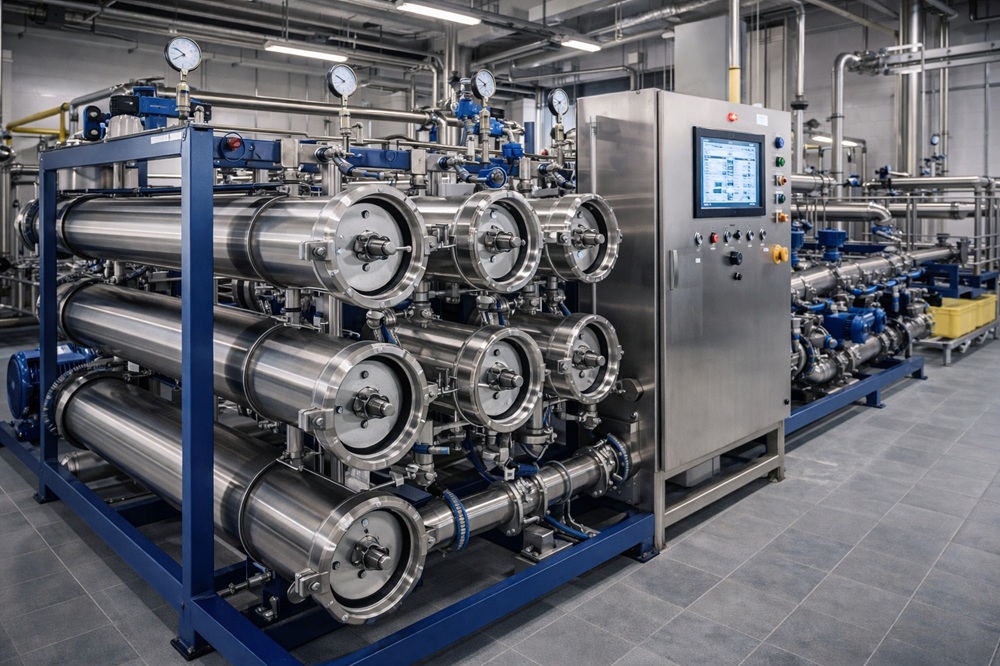
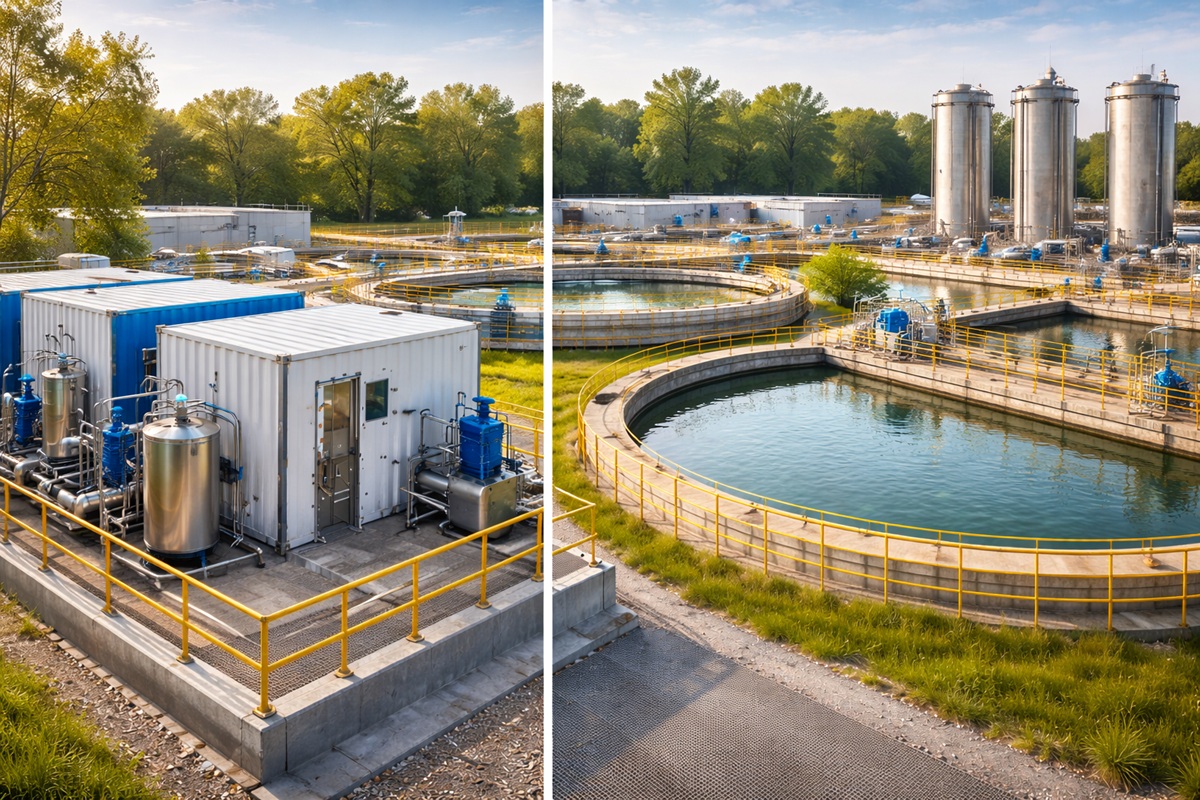
Packaged plants consist of several components, including screening units, aeration tanks, clarifiers, and disinfection systems, all integrated into a single, modular structure. These systems are designed to handle various water treatment needs, ranging from wastewater treatment to sewage treatment and potable water production.
Packaged treatment plants are particularly useful in situations where space, time, and resources are limited. Let’s take a look at some of the most common scenarios when these systems should be considered:
Packaged treatment plants are ideal for sites where access to large, centralized treatment plants is impractical. In remote locations, like construction sites or mining camps, these systems can be deployed quickly to provide essential wastewater treatment with minimal space requirements. Whether you need temporary wastewater treatment or a permanent solution for areas without centralized infrastructure, a packaged plant can meet your needs.
For industries with temporary needs—such as construction projects or seasonal events—packaged sewage treatment plants are the perfect solution. These plants are designed for quick deployment and can be relocated if necessary. When time is of the essence, such as in large construction projects or disaster relief efforts, packaged treatment plants can be operational in weeks, not months.
Many industrial facilities, such as factories, chemical plants, and food processing units, generate large volumes of wastewater that require specialized treatment. Packaged treatment plants can be customized to meet specific industrial needs. They are often used for handling wastewater from industrial processes and ensuring that effluent meets local discharge regulations before being released into the environment.
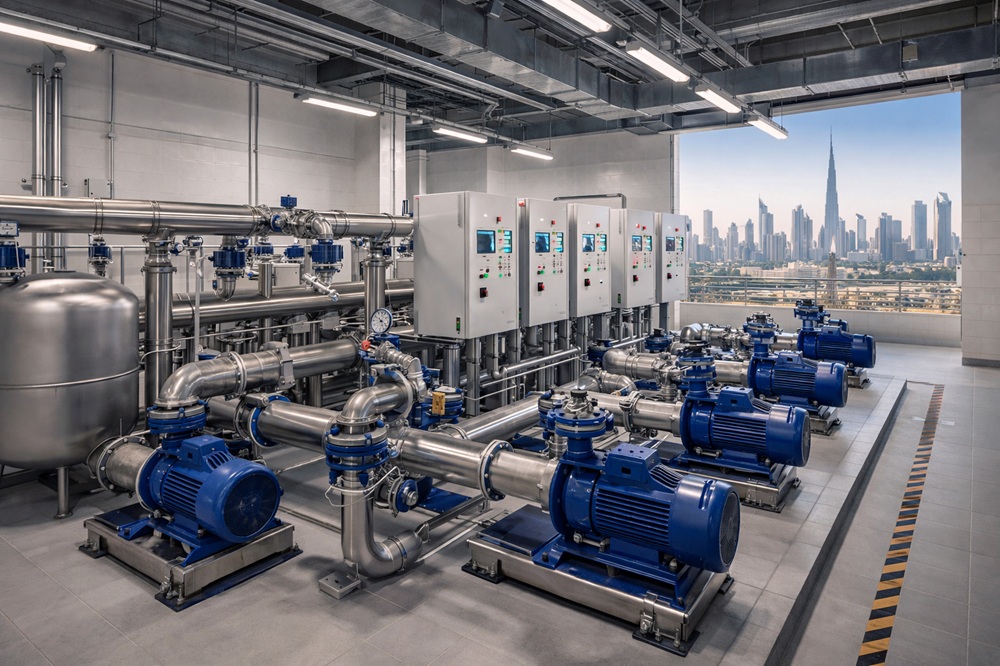
High-rise buildings, particularly in urban centers like Dubai and Riyadh, require efficient wastewater management systems due to their size and complexity. A packaged treatment plant can be easily integrated into these buildings to handle the wastewater generated by residents and businesses. The compact nature of packaged plants makes them ideal for spaces with limited room, ensuring they fit into the building’s infrastructure without extensive modification.
Packaged Treatment Plant Usage in Labour Camps and Staff Accommodations
In the Middle East, labour camps and staff accommodations are often built to meet the needs of temporary and seasonal workers. With a growing workforce in industries like construction, oil and gas, and hospitality, it’s crucial to provide efficient and sanitary wastewater management solutions.
Packaged treatment plants are increasingly used in these settings to treat wastewater onsite, ensuring that the water quality meets health and environmental standards. These systems are designed to handle moderate volumes of wastewater while maintaining a small footprint, making them ideal for labour camps and staff accommodations where space is often limited.
Packaged treatment plants are gaining popularity due to their numerous advantages. Here’s why they are so effective for specific applications:
One of the main reasons packaged treatment plants are widely adopted is their compact design. These plants are designed to minimize the amount of space required for installation, making them perfect for urban settings or sites with limited land. With modular components, the system can be customized to fit within tight areas, such as basements or rooftops.
Packaged systems are typically more affordable than traditional, large-scale treatment plants. The pre-engineered nature of these systems means they come with reduced labor and installation costs. Furthermore, they are often more energy-efficient due to optimized design, which helps to reduce long-term operational expenses.
Packaged treatment plants offer flexibility in terms of expansion. As the treatment needs of your facility grow, the system can be scaled up with additional modules. Whether you need more treatment capacity or additional functionality, the modular design of these plants makes it easy to expand without disrupting operations.
Unlike traditional systems, which often require lengthy site preparation and installation, packaged treatment plants can be installed and commissioned quickly. This speed of deployment makes them ideal for fast-track projects, such as temporary construction camps, or when facilities need to start operating within a short timeline.
The operational process of a packaged treatment plant can be broken down into several key stages:
In this stage, large particles, debris, and solids are removed from the incoming water or wastewater. Screening systems capture solids, preventing damage to downstream components like pumps and membranes.
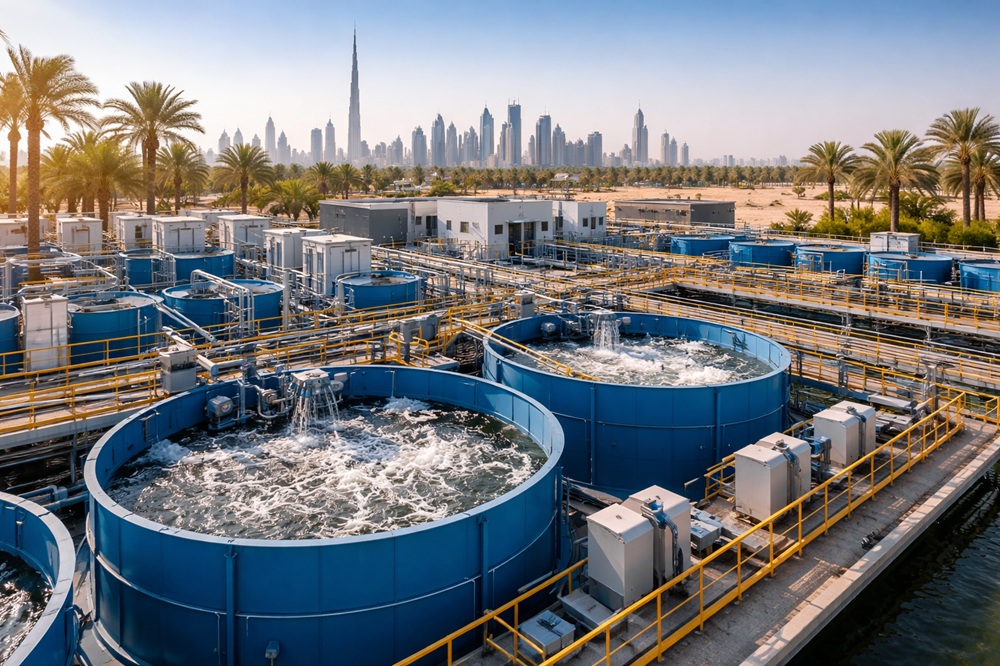
In some packaged systems, biological treatment is used to break down organic matter in the wastewater. This is typically done using aeration tanks or biofilters, where microorganisms decompose the organic pollutants.
The treated water may undergo additional clarification and disinfection to remove any remaining contaminants. This ensures that the effluent meets local environmental discharge standards or can be reused for non-potable applications.
Once treated, the water is stored in a tank or reservoir for use in irrigation, cooling, or even non-potable applications such as flushing and landscape irrigation.
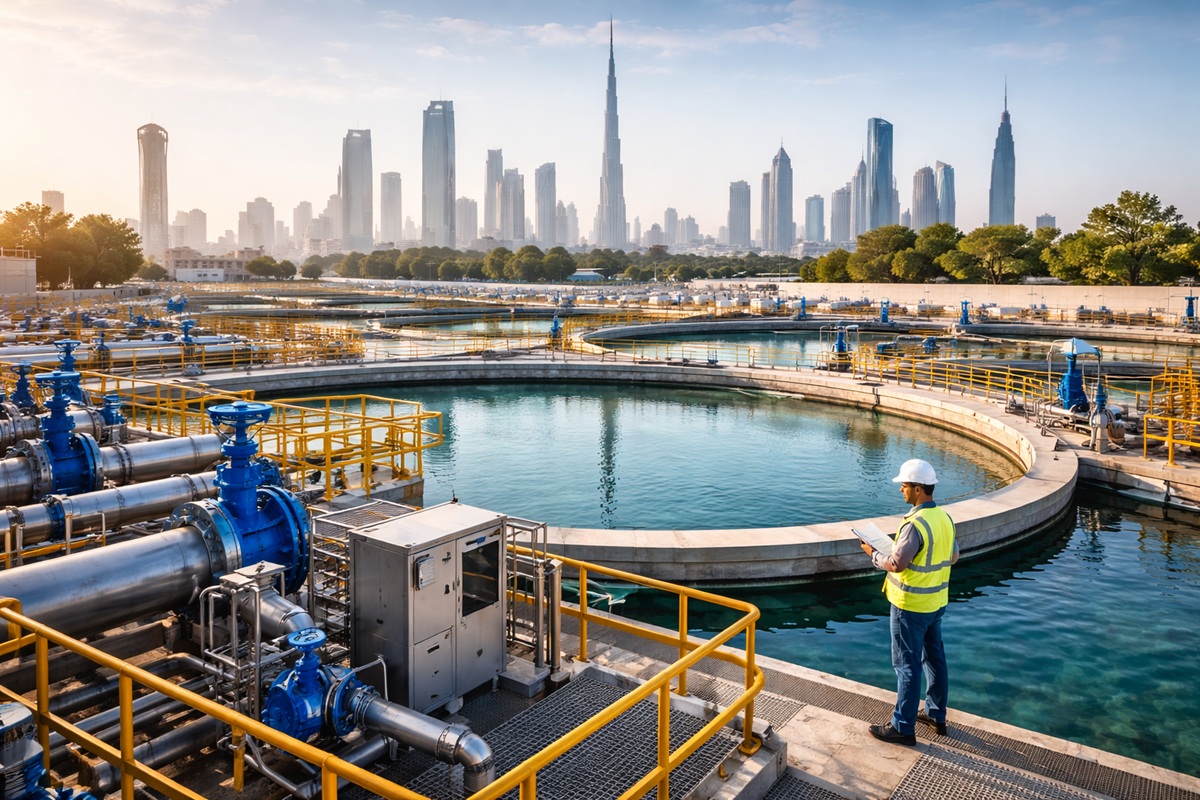
In the UAE and Saudi Arabia, packaged treatment plants are increasingly used for various applications due to the region’s growing urbanization and industrial expansion. These systems are deployed in high-rise buildings, hotel complexes, industrial facilities, and construction sites across both countries.
In Saudi Arabia, for example, packaged treatment plants are used for remote projects like oil and gas facilities, while in Dubai, they’re integrated into luxury residential buildings where space efficiency is crucial.
Before choosing a packaged treatment plant for your project, consider the following:
It is essential to accurately calculate the required flow rate to ensure the system is properly sized to handle the maximum demand. Undersized systems can lead to inefficient operation or system failure.
The quality of incoming water affects the choice of treatment process. Some systems are better suited for handling brackish water, while others are designed for industrial effluent or municipal wastewater.
Ensure that the plant complies with local discharge regulations and reuse standards, which are particularly strict in the Middle East. Regulatory compliance is essential to avoid legal issues and environmental harm.
Select a provider that offers reliable maintenance and technical support. Spare parts availability, system upgrades, and operator training are critical for long-term performance.
Choosing the right provider is just as important as selecting the right plant. Consider providers who have:
Packaged treatment plants can last between 10 to 20 years, depending on the system’s design, maintenance, and the environmental conditions in which it operates.
These systems can typically be installed within a few weeks, significantly faster than traditional treatment plants.
Yes, most packaged treatment plants are modular and can be customized to meet specific water quality requirements and flow rates.
A packaged treatment plant offers an ideal solution for many water and wastewater treatment needs, especially in space-constrained areas or temporary setups. These systems provide flexibility, ease of deployment, and cost-effectiveness, making them a top choice for various applications in the Middle East.
By carefully considering project requirements, water quality standards, and local regulations, you can determine whether a packaged system is the best solution for your facility.
info@meftinternational.net March 12, 2026
info@meftinternational.net February 26, 2026
info@meftinternational.net February 19, 2026
info@meftinternational.net February 12, 2026
info@meftinternational.net February 10, 2026
info@meftinternational.net January 30, 2026
info@meftinternational.net January 20, 2026
info@meftinternational.net December 31, 2025