 info@meftinternational.net
  March 24, 2026
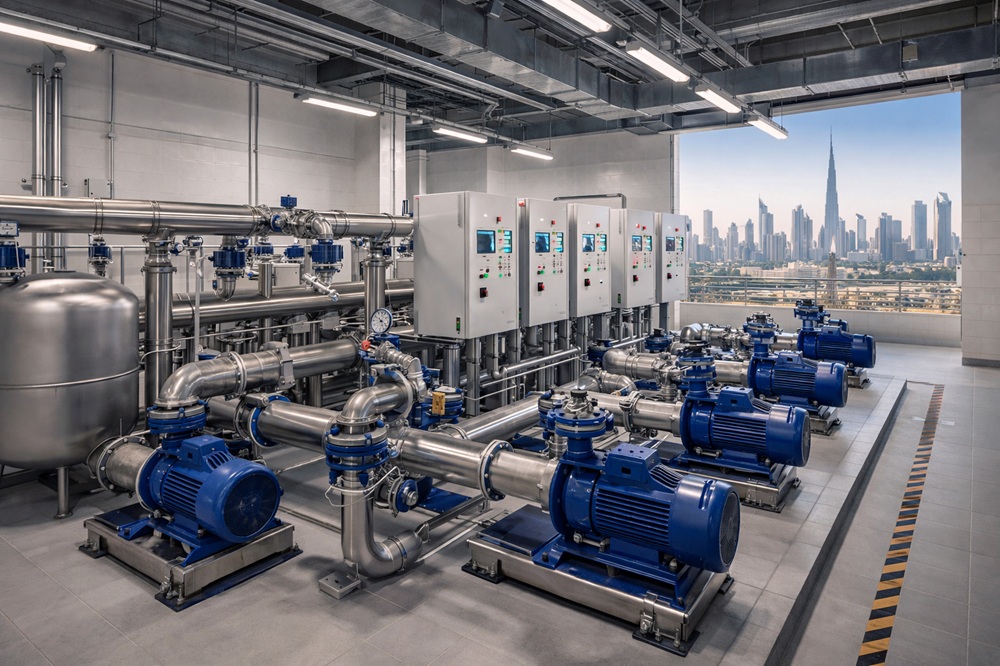
High-rise buildings have transformed skylines across the United Arab Emirates and Saudi Arabia. From luxury residential towers to commercial skyscrapers and hotels, vertical construction continues to grow rapidly.
However, while architecture captures attention, reliable water pressure often goes unnoticed—until something goes wrong.
This is where a properly engineered booster pump station becomes essential. Without it, upper floors may experience weak or inconsistent water flow, affecting comfort, hygiene, and operational efficiency.
In this article, we explain how booster pump stations work, why design accuracy matters, common mistakes to avoid, and what building owners in the Middle East should consider.
A booster pump station is a mechanical system designed to increase and regulate water pressure within a building.
In simple terms
A booster pump station ensures that water reaches higher floors at a consistent pressure when gravity alone is insufficient.
In tall buildings, municipal water pressure typically drops with elevation. Without pressure boosting equipment, upper floors would experience poor water flow or a complete loss of supply.
Unlike simple transfer pumps, booster systems are designed to maintain stable pressure across multiple floors, even during peak demand.
The higher the building, the greater the pressure loss due to gravity. This pressure drop becomes more significant in towers exceeding 10–15 floors.
In cities like Dubai, Abu Dhabi, Riyadh, and Jeddah, high-rise developments are common. These structures often include residential units, offices, hotels, and mixed-use facilities. Each of these applications has fluctuating water demand throughout the day.
Without a properly designed booster pump station:
Therefore, pressure boosting systems are not optional in high-rise buildings—they are critical infrastructure.
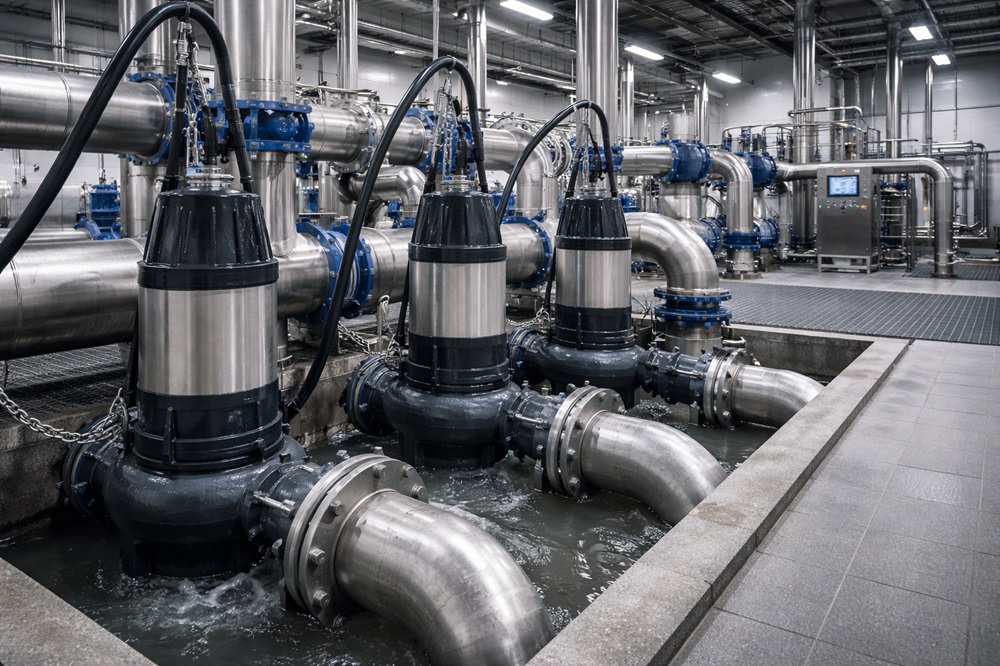
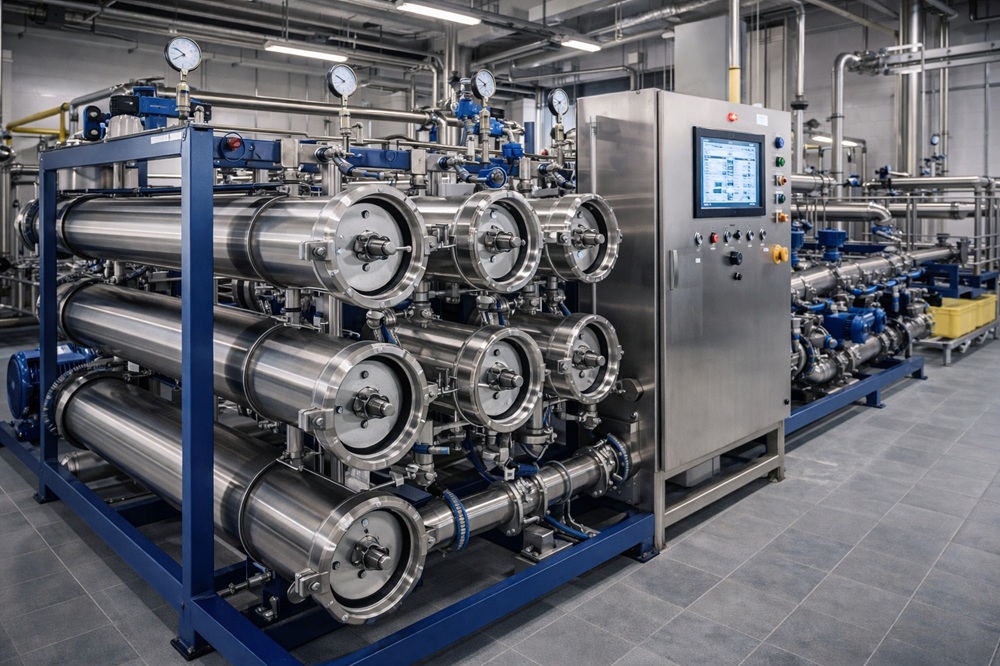
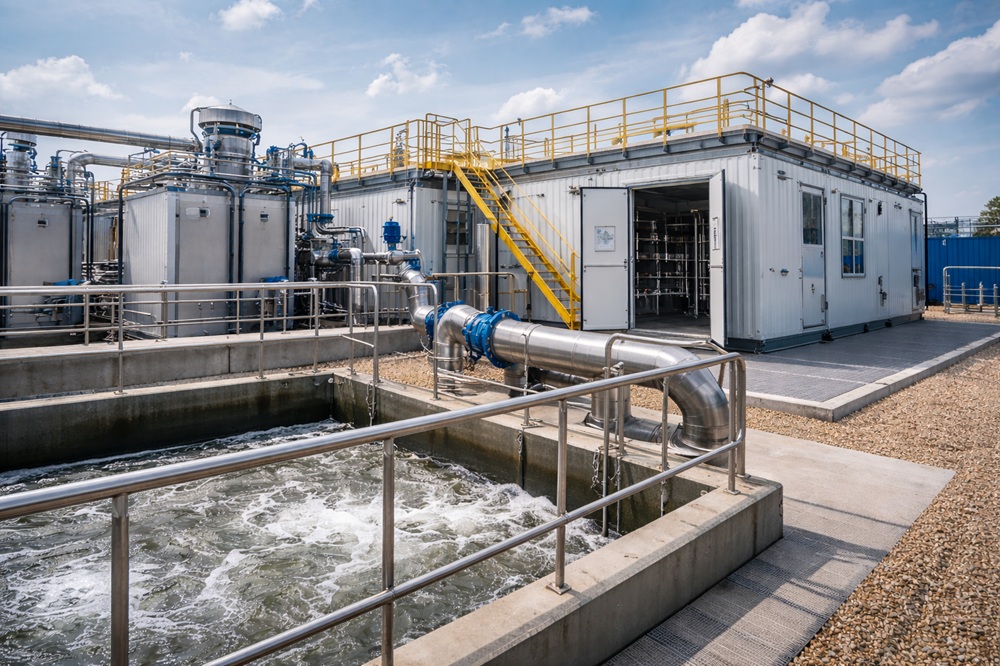
A modern booster pump station consists of multiple integrated components that work together to ensure stable pressure delivery.
Typically configured in duty and standby arrangements, these pumps operate sequentially depending on demand.
VFDs adjust pump speed based on real-time demand. This improves energy efficiency and reduces mechanical stress.
These stabilize pressure fluctuations and reduce unnecessary pump starts.
The control system monitors pressure sensors and activates pumps as required.
Non-return valves prevent backflow, while proper pipe sizing ensures efficient water movement.
Each component must be carefully selected and integrated to avoid system imbalance.
Proper design is the foundation of system reliability. Many operational problems stem from incorrect engineering decisions during the planning stage.
Engineers must calculate:
Underestimating pressure requirements results in poor performance. Overestimating can lead to oversized pumps and unnecessary energy consumption.
Pump sizing must balance efficiency with reliability. Oversized pumps cycle frequently and waste energy. Undersized pumps struggle during peak demand.
An experienced engineering team ensures the selected booster pump station operates within optimal performance curves.
In high-rise buildings, the water supply cannot fail. Therefore, systems should include:
Redundancy reduces downtime and ensures operational continuity.
Energy costs are a major operational expense. Using VFD-controlled pumps allows the system to adjust output based on actual demand rather than running at full speed continuously.
This improves efficiency, extends equipment lifespan, and reduces lifecycle costs.
Even well-intentioned projects can face issues if certain mistakes are overlooked.
Failure to account for height and friction losses results in insufficient delivery.
A single pump configuration increases risk during maintenance or failure.
Improper installation can cause structural vibration and noise issues.
High-rise buildings often undergo renovations or capacity increases. Systems should allow scalability.
Addressing these factors early prevents costly retrofits.
A properly designed booster pump station requires structured maintenance to ensure consistent performance.
Routine maintenance includes:
Proactive servicing reduces emergency breakdowns and extends system life.
The Middle East presents unique operational challenges.
High ambient temperatures, variable municipal supply pressure, and rapid urban development require durable and adaptable water pressure systems.
In the United Arab Emirates, luxury residential towers and hospitality projects demand silent, energy-efficient booster systems that provide stable pressure without excessive noise.
In Saudi Arabia, large-scale developments aligned with Vision 2030 require scalable solutions capable of serving high-capacity buildings.
Therefore, selecting a provider with regional engineering experience is essential.
Choosing the right engineering partner is just as important as selecting the correct equipment.
Look for:
If your project involves comprehensive booster pump station works, working with an experienced MEP contractor ensures that design, supply, and installation are aligned from start to finish.
Required pressure depends on building height and fixture demand. Engineers calculate static head and dynamic losses to determine optimal pressure levels.
Most systems use at least two pumps (duty and standby). Larger buildings may require multiple pumps for staged operation.
Yes. Systems equipped with VFDs adjust output based on demand, improving energy efficiency.
With proper maintenance, well-designed systems can operate reliably for many years.
A well-engineered booster pump station ensures consistent water pressure, operational reliability, and long-term cost efficiency in high-rise buildings.
In rapidly growing markets such as the UAE and Saudi Arabia, where vertical development continues to expand, proper system design is not a luxury—it is a necessity.
By prioritizing accurate calculations, efficient equipment selection, and professional installation, building owners can protect both occupant comfort and infrastructure investment.
info@meftinternational.net March 24, 2026
info@meftinternational.net March 12, 2026
info@meftinternational.net February 26, 2026
info@meftinternational.net February 19, 2026
info@meftinternational.net February 10, 2026
info@meftinternational.net January 30, 2026
info@meftinternational.net January 20, 2026
info@meftinternational.net December 31, 2025