 info@meftinternational.net
  July 7, 2026
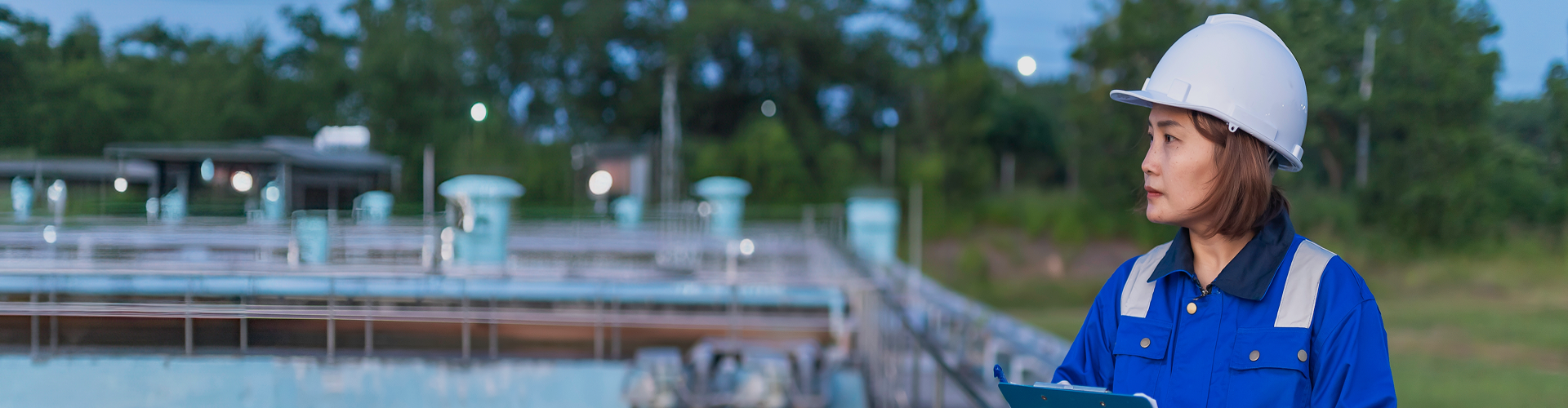
Sewage pumping stations are a critical but often overlooked part of modern wastewater infrastructure. While they operate quietly in the background, these systems play a vital role in ensuring wastewater is transported safely and efficiently—especially in locations where gravity flow alone is not possible.
For developers, facility managers, engineers, and operators, understanding how sewage pumping stations are designed, operated, and maintained is essential. Poor planning or neglected upkeep can result in blockages, overflows, equipment failures, environmental damage, and costly downtime.
This guide explains sewage lift pumps and pumping station best practices in clear, practical language—making it accessible even for readers new to environmental management systems (EMS).
In many developments, wastewater cannot rely solely on gravity to reach treatment facilities. Changes in elevation, long distances, flat terrain, and dense urban environments all create challenges that gravity-based systems cannot solve.
This is where sewage pumping stations become indispensable. They lift wastewater from lower elevations to higher points, allowing it to continue its journey through the sewer network without interruption. Without reliable sewage pumping, wastewater systems would face frequent backups, flooding, and environmental hazards.
As cities expand and infrastructure becomes more complex, sewage pumping stations are no longer optional—they are fundamental to safe and sustainable wastewater management.
A sewage pumping station is a facility designed to collect wastewater and move it onward when gravity flow is insufficient. In practical terms, the system temporarily stores sewage and uses pumps to transfer it through a pressurized pipeline.
Most sewage pumping stations operate automatically and are designed to handle varying flow conditions throughout the day. They are widely used in residential developments, commercial buildings, industrial facilities, and municipal infrastructure.
These systems are commonly used in:
As urban development increases, the need for reliable sewage pumping solutions continues to grow.
Understanding the main components of a pumping station helps explain how wastewater transfer systems work in practice and why good design is so important.
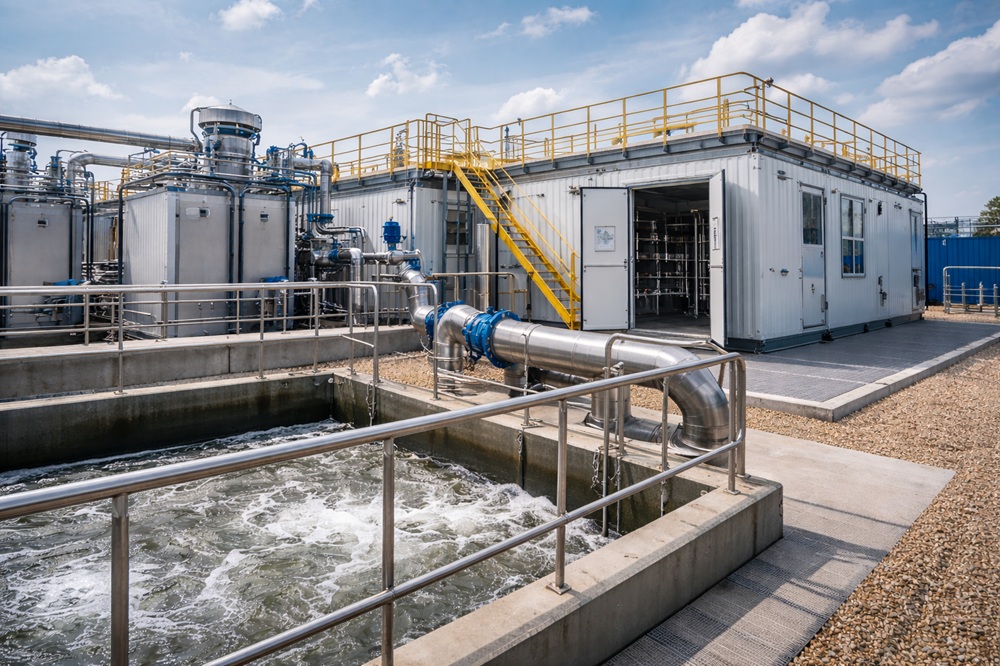
The wet well is the chamber where wastewater is collected before pumping. It acts as a buffer, balancing inflow variations and allowing pumps to operate efficiently rather than switching on and off too frequently.
A properly designed wet well helps reduce sediment buildup, minimize odors, and prevent excessive pump cycling. Incorrect wet well sizing is a common cause of operational problems and can lead to overflows or unnecessary maintenance.
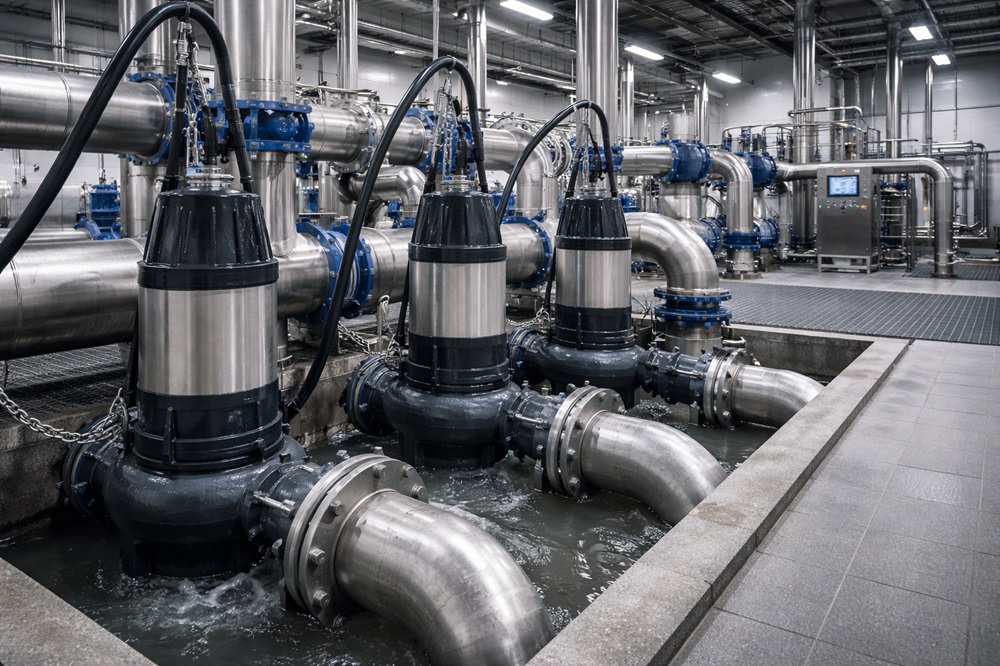
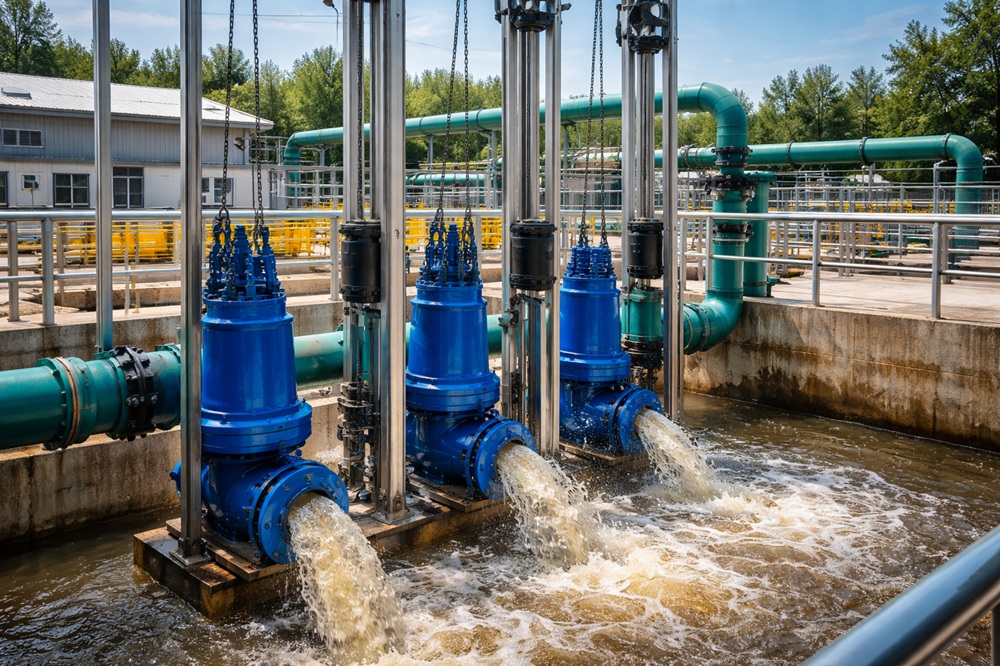
Sewage lift pumps are the core working components of a pumping station. Their role is to move wastewater from the wet well into the discharge pipeline, overcoming elevation changes and long transfer distances.
These pumps are designed to handle solids and debris commonly found in wastewater. Selecting the right sewage lift pumps is critical, as pump choice directly affects energy consumption, reliability, and long-term maintenance costs.
Valves and pipelines manage the flow and pressure of wastewater within the system. Non-return valves prevent backflow, isolation valves allow safe maintenance, and rising mains carry sewage under pressure.
Modern sewage pumping stations also rely on automated control panels and level sensors to manage pump operation. Automation improves reliability, reduces manual intervention, and provides early warnings in case of faults.
Good design forms the foundation of reliable sewage pumping. Many long-term issues can be traced back to design-stage decisions that failed to consider real operating conditions.
Designers must accurately calculate average and peak flow rates, taking into account future expansion. Underestimating flow demand can overload pumps and reduce system lifespan.
Pump selection should consider solids handling capability, pumping head, efficiency, and redundancy. A duty-and-standby configuration ensures continuous operation if one pump fails, improving overall system resilience.
A well-designed wet well minimizes sediment accumulation and reduces odors while ensuring stable pump operation. Poor design remains one of the most common causes of inefficiency and maintenance challenges.
Reliable sewage pumping stations include standby pumps, backup power supply provisions, and alarm systems. Redundancy protects against unexpected failures and power outages, ensuring uninterrupted wastewater transfer.
Many sewage pumping issues result from avoidable design errors, including undersized pumps, insufficient wet well volume, lack of standby equipment, poor maintenance access, and failure to plan for future capacity. Addressing these issues early helps avoid costly operational disruptions later.
Once installed, sewage pumping stations typically operate automatically. Wastewater enters the wet well, level sensors activate the pumps, sewage is lifted to the discharge pipeline, and pumps shut off once levels drop.
This cycle can repeat hundreds of times per day, making reliability and proper control essential. Monitoring systems and alarms help operators detect problems early and prevent overflows or system failures.
Regular maintenance is essential to keep sewage pumping stations operating safely and efficiently.
Preventive maintenance includes routine inspection of pumps, cleaning of wet wells, checking valves, and testing alarms. Predictive maintenance focuses on identifying early warning signs such as unusual noise, vibration, reduced capacity, or increased energy consumption.
Because sewage lift pumps handle abrasive materials and solids, they require particular attention. Timely inspection and replacement of worn components significantly extend pump life and improve performance.
Energy consumption represents a major operating cost for sewage pumping stations. Using efficient pumps, optimizing control settings, avoiding excessive cycling, and implementing variable frequency drives (VFDs) can significantly reduce long-term costs.
Safety is equally important. Sewage pumping stations involve confined spaces and hazardous gases, making proper ventilation, gas detection systems, confined space procedures, and operator training essential.
Upgrades should be considered when breakdowns become frequent, maintenance costs rise, capacity limits are reached, or regulatory requirements change. In many cases, upgrading pumps or control systems can improve performance without replacing the entire station.
Although sewage pumping stations may appear straightforward, their reliability depends on sound engineering, correct installation, and disciplined maintenance. Professional expertise ensures systems are designed for real operating conditions, remain compliant, and deliver long-term performance with minimal risk.
They lift and transfer wastewater when gravity flow alone is not sufficient.
Routine inspections should be frequent, with scheduled maintenance based on usage and system design.
Common causes include clogging, poor maintenance, incorrect pump selection, and electrical faults.
Sewage pumping stations are a vital part of modern wastewater infrastructure. Their effectiveness depends on thoughtful design, reliable operation, and consistent maintenance.
By applying best practices in sewage pumping, selecting appropriate sewage lift pumps, and proactively maintaining systems, organizations can reduce downtime, control costs, and protect public health and the environment.
Well-designed and well-maintained pumping infrastructure is not just a technical asset—it is a long-term investment that supports sustainable development.
info@meftinternational.net July 7, 2026
info@meftinternational.net June 24, 2026
info@meftinternational.net May 7, 2026
info@meftinternational.net April 28, 2026
info@meftinternational.net April 17, 2026
info@meftinternational.net March 24, 2026
info@meftinternational.net March 12, 2026
info@meftinternational.net February 26, 2026 Our focus is on delivering superior value to our clients for company modification.